Maintaining a clean and healthy environment is a top priority for every homeowner. Disinfection, the process of eliminating germs and bacteria, plays a crucial role in preventing the spread of illness.
When it comes to disinfection, two popular methods emerge: fogging and spraying. But which one is the best option, and for what type of situation?
Here, we’ll dive into the pros and cons of both electrostatic fogging and traditional spray methods, helping you choose the right tool for the job.
Fogging: A Powerful Dispersal Technique
Electrostatic foggers utilize a unique technology to disperse disinfectant solution into a fine mist. The fogger charges the disinfectant droplets with a positive electrical charge. This attraction between the positively charged droplets and negatively charged surfaces ensures a more even and thorough application compared to traditional spraying.
The mist reaches hidden areas and crevices that might be missed by spraying, providing superior coverage, especially in large or complex spaces.
Here are some key benefits of using an electrostatic fogger:
● Superior Coverage: The charged mist reaches nooks and crannies, providing more comprehensive disinfection.
● Time-Saving: Fogging large areas is significantly faster than manual spraying.
● Reduced Labor: Fogging requires less physical effort compared to repetitive spraying motions.
● Effective on Soft Surfaces: The gentle mist can be safely used on fabrics and upholstery.
However, fogging also has some limitations:
● Limited Residual Effect: Fogged disinfectants may not have a long-lasting effect compared to some spray-on disinfectants.
● Not Ideal for Spot Treatment: Fogging is better suited for large-scale disinfection rather than targeted cleaning.
Spraying: A Targeted Approach to Disinfection
Spraying disinfectant is a familiar and straightforward method. Disinfectant solution is pumped out of a pressurized container in a stream or mist. This method offers precise control over the application area, making it ideal for targeted disinfection of surfaces and objects.
Here are some advantages of using a spray bottle for disinfection:
● Targeted Application: Spraying allows for precise application on specific areas and objects.
● Residual Effect: Some spray disinfectants leave a residual effect that continues to kill germs for an extended period.
● Visibility: You can easily see where you’ve sprayed, ensuring complete coverage.
● Cost-Effective: Spray bottles are generally more affordable compared to electrostatic foggers.
However, spraying also has some drawbacks:
● Limited Coverage: Spraying may miss hidden areas and crevices, potentially leaving pockets of germs behind.
● Time-Consuming: Disinfecting large areas with a spray bottle can be time-consuming and labor-intensive.
● Physical Exertion: Spraying requires repetitive motions, which can be physically demanding.
● Not Ideal for Soft Surfaces: Harsh disinfectants in sprays might damage delicate fabrics and upholstery.
The Verdict: When to Use Each Method
So, which method reigns supreme? The answer depends on the specific situation.
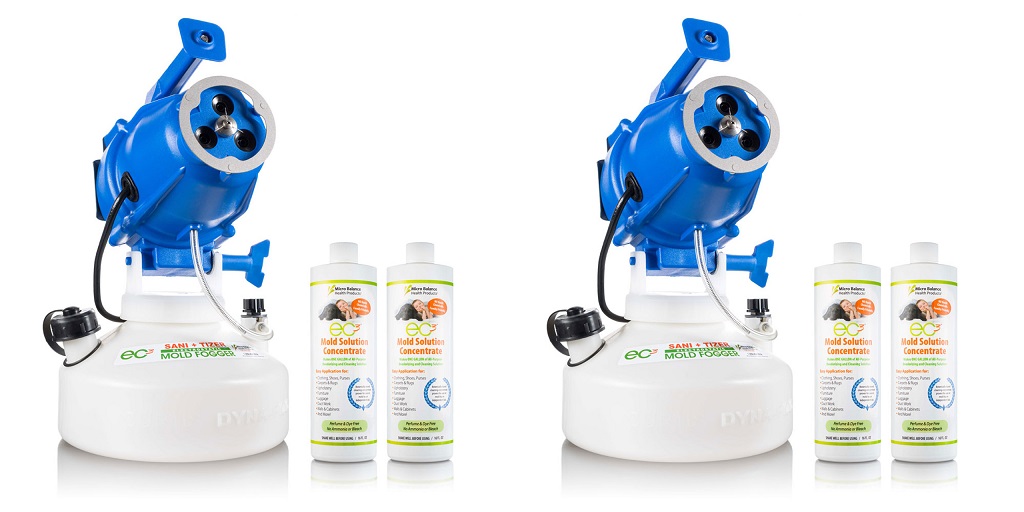
● Use an electrostatic fogger for large-scale disinfection of rooms, buildings, or heavily contaminated areas. It’s also ideal for disinfecting soft surfaces like carpets, furniture, and curtains. Consider the EC3 Electrostatic Sanitizer Fogger with Mold Solution Concentrate Bundle from Micro Balance Health Products. This bundle provides a safe and effective way to combat mold and create a healthier indoor environment.
● Opt for a spray bottle for targeted disinfection of high-touch surfaces like doorknobs, light switches, and countertops. Spraying is also suitable for disinfecting smaller objects and delicate fabrics.
Remember, for optimal disinfection, a combination of both methods might be necessary. Use an electrostatic fogger for a comprehensive initial disinfection, followed by targeted spraying on high-touch surfaces.
Disinfection Done Right: Protecting Your Health and Peace of Mind
By understanding the strengths and weaknesses of fogging and spraying, you can choose the most effective method for each disinfection task. Maintaining a clean and disinfected environment is an investment in your health and well-being. With the right tools and knowledge, you can create a safe and healthy haven for yourself and your loved ones.