
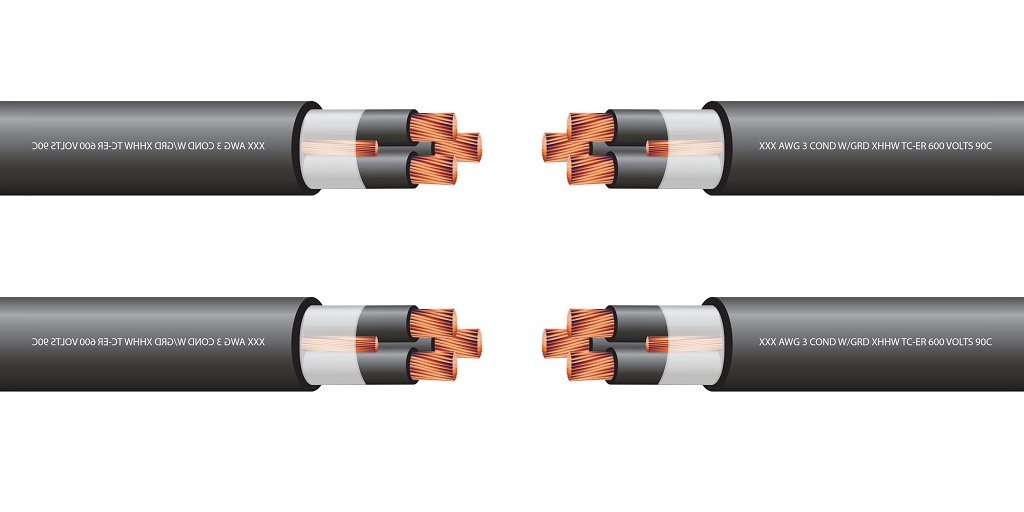
Solar panel cables may be expensive, but the truth is that 10 AWG solar PV multi conductor tray cable you need to wire the whole assembly isn’t cheap either. In fact, the whole rig is quite an expensive proposition.
On top of that, it’s not just the panels, but the cables that will be assaulted by the elements and worse. Here’s what to expect and how you can keep them safe.
The Issue
There are two main problems associated with the health and longevity of solar panel cable, and both of them are environmental.
The obvious one has to do with exposure to the elements. Since these cables will be installed outside, they will be under constant attack from wind, rain, snow, freezing and searing conditions, and of course, sunlight.
Not only can swings in temperature degrade the quality of the wire’s insulation, when the jacket breaks down, the conductors themselves can corrode, causing overheating, fires, or just the incapacitation of the system.
Ultraviolet radiation, present in sunlight, is also destructive of most polymers, some of which are used to insulate electrical wires.
The other prong of the environmental stressors is biological. For whatever reason, solar arrays are magnet to pests, including pigeons, squirrels and other rodents, and raccoons – among others.
Birds are bad enough. They build nests on top of the wires, which can cause overheating and fires. But that condition is incidental and unpredictable. The real, palpable risk comes from rodents like squirrels and mice that will actively chew the wires, increasing the risk of fire, or corrosion that travels underneath the insulation.
These are the two main problems facing solar panel arrays, specifically with respect to the cables that must be installed along with them. So what can you do about it?
The Solution
The first and most obvious solution to the problem is to use an appropriately rated solar panel cable in the first place. If the job calls for 10 AWG solar PV multi conductor tray cable, use that.
Solar panel cables are specially designed with resilient insulation materials, like EPDM, that are resistant not only to weather but to sunlight as well.
In addition to using appropriate cable in the first place, it is equally important to periodically inspect the cables and to make repairs and replacements as they become necessary.
Clips, ties, and hooks can be used for cable management, keeping the cables well organized and as out of the way as possible. That’s the first step in solar panel cable protection. Grounding clips are also useful because they can help prevent overheating and fires in the case of a short or fault in the system.
There are also special cable protectors and sleeves you can use for exposed runs, to protect the cables against pests.
In addition, there is special netting you can install around the perimeters of the solar panels themselves, to help keep pests out. Since the cables are often exposed under the panels, keeping the pests out of that area underneath helps prevent damage.
Again, the importance of routine inspection cannot be understated. Properly and thoroughly inspecting your solar panel cables and working with a professional to make repairs when they are needed will go a long way towards preventing more expensive work down the road.
Where to Get Solar Panel Cable
Does your project require something as specific as 10 AWG solar PV multi conductor tray cable? No worries, you can get that online at EWCS Wire. Check out their collection via the previous link.

