As vaping continues to grow in popularity, understanding how to properly care for your vape device is essential. One of the most crucial components of any vaping setup is the battery charger. With various types of batteries and chargers available, it can be overwhelming to know which one to choose for your specific device. Using the right charger ensures not only the longevity of your vape battery but also your safety.
Types of Vape Batteries
Before diving into which charger you need, it’s important to understand the different types of vape batteries. Most vaping devices use rechargeable lithium-ion batteries, which come in various sizes and specifications. Here are the most common types of batteries found in vape devices:
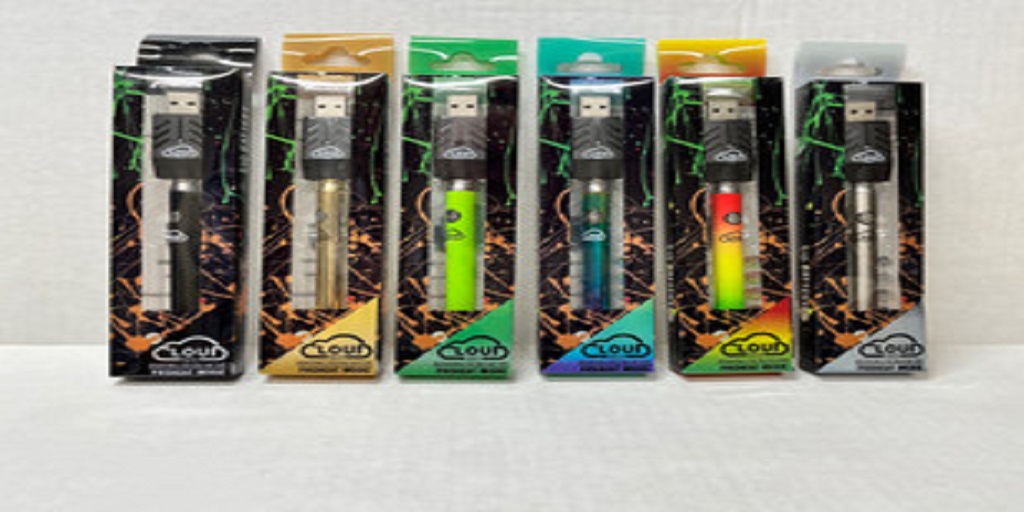
- Built-in Batteries: Many vape devices, especially pod systems and smaller mods, come with built-in batteries that cannot be removed. These devices typically charge via a USB cable, similar to a smartphone. You won’t need to worry about an external charger with these devices—just make sure the cable you’re using is compatible with the manufacturer’s recommendations.
- External Batteries (18650, 20700, 21700, etc.): Larger vape mods often use external batteries, the most common of which are the 18650 batteries. Some devices may use other sizes like 20700 or 21700, depending on the power demands of the device. External batteries offer flexibility because they can be swapped out and charged separately using a dedicated battery charger.
Choosing the Right Vape Battery Charger
When selecting a charger for your vape batteries, there are a few key factors to consider. The right charger will depend on the type of battery your device uses, the charger’s features, and safety aspects.
Battery Compatibility
First and foremost, ensure that your charger is compatible with the type of battery you’re using. For devices with built-in batteries, you’ll likely use a USB charger, which is usually included with the device. However, it’s important to ensure the charger has the appropriate voltage and amperage for your device to prevent overheating or damage to the battery.
For external batteries, such as the popular 18650, 20700, or 21700, you’ll need a dedicated battery charger. Many high-quality chargers can accommodate multiple battery sizes, but you should always double-check that the charger you choose is designed for your battery’s size and chemistry.
Charging Speed
Another important consideration is the charging speed of your battery charger. Chargers come with different output rates, which dictate how quickly your batteries will charge. Some chargers offer fast-charging capabilities, which can fully charge your batteries in a shorter amount of time. However, faster isn’t always better.
While it may be tempting to choose the fastest charger available, rapid charging can generate more heat, which may reduce the overall lifespan of your battery. For optimal battery health, it’s generally recommended to use a charger with a moderate charging speed—this will charge your batteries safely and help them last longer.
Safety Features
When it comes to charging lithium-ion batteries, safety should be your top priority. Vape batteries can be powerful, but they also carry some risk if mishandled or charged incorrectly. Choosing a charger with built-in safety features can help minimize these risks.
Most high-quality chargers from reputable brands will include these features, so it’s important to choose a trusted manufacturer when purchasing a vape battery charger.
Choosing the right vape battery charger is critical to ensuring the safety and longevity of your device. Whether you’re charging built-in batteries with a USB cable or using a dedicated charger for external batteries like the 18650, understanding the features and specifications of your charger will help you make an informed decision. Always prioritize battery compatibility, charging speed, and safety features when selecting a charger to ensure a smooth and worry-free vaping experience.