
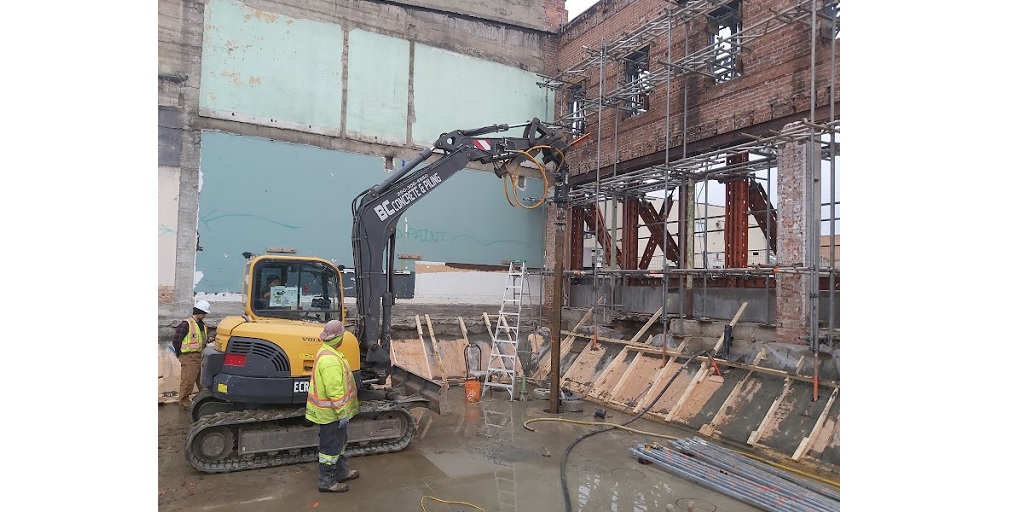
When it comes to building a deck, one of the critical decisions involves selecting the right foundation. Two popular options are helical piles and concrete foundations. Each has its own advantages and considerations, and understanding these can help ensure that your deck is built on a solid, durable base.
Understanding Helical Piles
Helical piles are a type of deep foundation system that consists of a steel shaft with helical plates attached. These piles are driven into the ground using a torque-driven process. One of the key benefits of using helical piles for decks is their fast and efficient installation process. They require minimal disturbance to the surrounding area, making them especially suitable for residential projects where space is tight and accessibility might be a challenge.
Helical piles offer excellent adaptability for deck foundations, accommodating a variety of soil types, including soft, rocky, or waterlogged areas. They can be customized and installed to meet the specific conditions of the site, ensuring a stable and secure foundation regardless of the challenges presented by the terrain.
Concrete Foundations: A Traditional Choice
Concrete foundations have been a traditional choice for deck construction for many years. They typically involve pouring concrete into forms to create footings or piers that support the deck’s structure. Concrete foundations are known for their strength and durability, making them a reliable choice for various types of decks.
However, concrete foundations often require more extensive preparation and installation compared to helical piles. This may include excavation, formwork, and curing time, which can extend the overall construction timeline. Additionally, concrete foundations may be more affected by soil movement and weather conditions, potentially leading to issues such as cracking or settling over time.
Comparing the Two Options
When comparing helical piles and concrete foundations for decks, it is essential to consider several factors. First, evaluate the soil conditions at your site. Helical piles are particularly advantageous in challenging soil conditions, where concrete foundations might require additional reinforcement or modifications.
Secondly, consider the timeline for your project. Helical piles for decks offer faster installation, which can be a significant advantage if you are looking to complete your deck quickly. On the other hand, concrete foundations may involve a longer construction period due to the curing time required for the concrete to reach its full strength.
Lastly, think about the long-term maintenance and durability of each option. Both helical piles and concrete foundations can provide a strong and stable base for your deck. However, helical piles generally have a lower risk of issues such as settlement or heaving, making them a low-maintenance choice over time.
Making the Right Choice
Ultimately, the decision between helical piles and concrete foundations for your deck will depend on your specific needs and site conditions. If you require a foundation that can be installed quickly and adapted to various soil types, helical piles for decks may be the ideal solution. Conversely, if you prefer the traditional approach and are prepared for a potentially longer installation process, concrete foundations remain a robust and time-tested option.
By carefully evaluating the benefits of each foundation type, you can make an informed decision that ensures your deck is built on a solid, reliable base, providing lasting enjoyment and value for years to come.

