
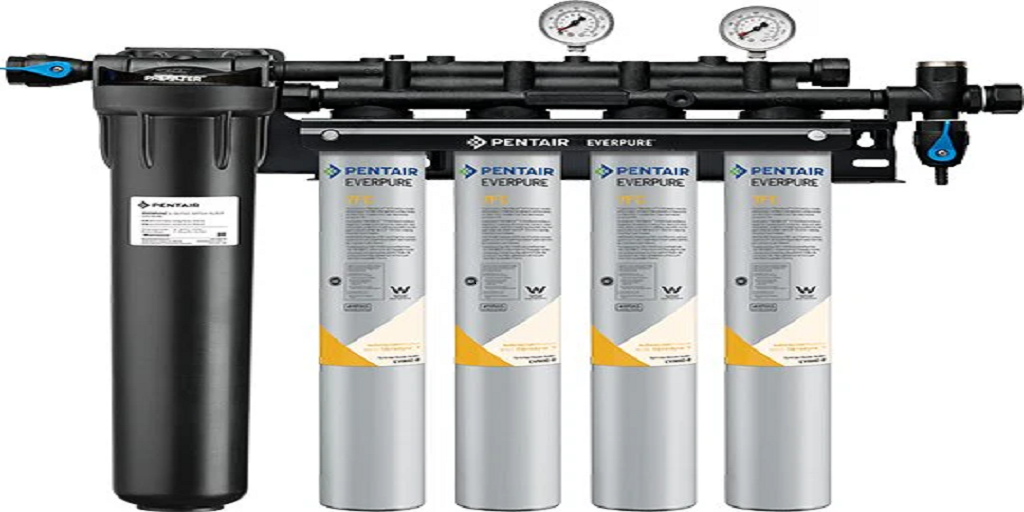
In the foodservice and hospitality industries, the quality of water used in fountain beverage dispensers directly impacts both taste and customer satisfaction. Whether it’s soda, iced tea, or even sparkling water, the foundation of every beverage is water. Ensuring that this water is clean, free from contaminants, and filtered to optimize taste can significantly enhance the drinking experience, leading to satisfied customers, repeat business, and a better brand reputation.
Enhancing Beverage Taste and Quality
Fountain beverages are a staple in many fast-food chains, restaurants, and cafes. With hundreds or thousands of drinks being served each day, water quality is a crucial factor. Unfiltered water often contains chlorine, chloramine, and other chemicals used to treat municipal water supplies. While these chemicals help disinfect water, they impart an unpleasant taste and odor that can be detected in beverages. For instance, chlorinated water may leave sodas and iced teas with a medicinal taste, undermining the carefully crafted flavors of the syrups.
High-quality water filtration removes or reduces chlorine and other impurities, allowing the flavors in the beverage syrups to come through clearly. When beverages taste exactly as intended by the manufacturer, customers are more likely to enjoy their drinks and return for more. In essence, water filtration enhances the consistency, quality, and taste of fountain beverages, ensuring that each cup meets customer expectations.
Protecting Equipment from Scale and Damage
Fountain beverage dispensers, ice machines, and coffee makers are all vulnerable to scale buildup caused by minerals like calcium and magnesium. These minerals can accumulate inside the equipment, clogging valves and pipes and reducing efficiency. Over time, scale buildup can lead to breakdowns and costly repairs, not to mention potential service disruptions that impact customer experience.
Fountain beverage water filtration systems typically include scale inhibitors that reduce the buildup of these minerals. By using filtered water, businesses can extend the lifespan of their equipment, minimize maintenance expenses, and reduce the risk of equipment malfunctions. This proactive approach to equipment protection also allows foodservice providers to operate more efficiently, maximizing uptime and ensuring continuous, reliable service.
Reducing Health Risks with Contaminant-Free Water
Public health and safety are top priorities for any business in the foodservice industry. While municipal water supplies are treated to meet basic safety standards, trace contaminants may still be present, including lead, volatile organic compounds (VOCs), and microbial cysts like Giardia and Cryptosporidium. Ingesting these contaminants, even in small amounts, can pose health risks to consumers, particularly vulnerable groups like young children and the elderly.
Advanced water filtration systems can significantly reduce or eliminate these contaminants, providing a cleaner and safer drinking experience. By investing in a reliable filtration system, businesses demonstrate a commitment to customer well-being, creating a safe environment where guests can enjoy beverages with peace of mind. Filtration systems that meet certifications from organizations such as NSF International or the Water Quality Association (WQA) ensure compliance with stringent safety standards, further assuring customers of water safety.
Building a Positive Brand Image
In today’s competitive food and beverage industry, the smallest details can make a difference in winning customer loyalty. Taste and quality are major drivers of customer satisfaction, and businesses that prioritize water quality in their fountain beverages can gain a competitive edge. Offering consistently great-tasting beverages signals to customers that a business values quality, attention to detail, and their overall dining experience.
Additionally, a strong brand reputation can lead to positive word-of-mouth advertising and online reviews, boosting a business’s visibility and customer base. Whether it’s a small café or a large fast-food chain, investing in water filtration as part of a quality assurance strategy can translate to increased customer satisfaction and loyalty, ultimately benefiting the bottom line.
The importance of fountain beverages water filtration cannot be overstated. From enhancing taste and quality to protecting equipment, reducing health risks, and building a positive brand image, filtration is a fundamental component of any foodservice operation. Investing in a reliable and efficient filtration system shows a commitment to quality and customer satisfaction, making it an essential step for businesses that prioritize delivering a premium beverage experience.
By taking water filtration seriously, foodservice providers can ensure that every beverage they serve meets high standards for taste, safety, and quality—one cup at a time.
