
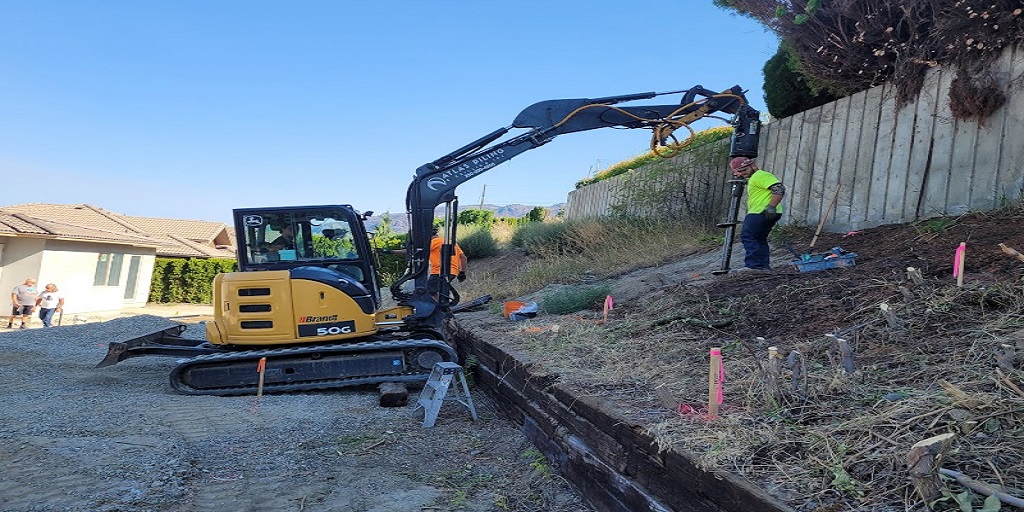
Infrastructure projects in rural areas often present unique challenges and complexities that impact their overall costs. These factors include terrain conditions, accessibility, materials, labor, and foundational needs. Among the key solutions to ensure durable foundations in such areas, Helical pile installation has emerged as a reliable and efficient technique.
1. Accessibility and Transportation Costs
Building in rural areas involves significant logistical challenges. Transporting construction materials, equipment, and labor to remote locations often drives up project costs. Poor road networks and limited access routes can further complicate transportation, leading to higher fuel costs and delays.
Utilizing efficient foundation systems such as helical pile installation can help mitigate these transportation expenses. Helical piles are compact and lightweight, allowing for easier transport and quicker installation without the need for heavy machinery. This adaptability reduces both time and cost when compared to traditional concrete foundations.
2. Labor Availability and Skilled Workforce
Finding skilled labor in rural regions can be difficult, adding to the project’s expenses. Contractors may need to bring specialized workers from urban areas, often increasing wages and travel costs. Accommodating workers in temporary camps or lodging facilities also adds to the overall budget.
With helical pile installation, construction teams require less specialized labor than other traditional piling methods. The quick and straightforward installation process minimizes the need for large workforces, lowering labor-related costs while maintaining the project’s quality and safety standards.
3. Terrain and Soil Conditions
The natural terrain and soil composition in rural areas can make it challenging to plan for reliable infrastructure. Rocky, sandy, or unstable soil conditions demand specialized foundation solutions to ensure long-term stability. Additionally, regions prone to frost heave or groundwater fluctuations may require extra measures to prevent structural shifts.
Helical piles are ideal for projects in such challenging environments. Their design allows them to be drilled deep into the ground, bypassing weak soil layers to reach stable strata. This versatility makes helical pile installation a preferred choice for remote construction, reducing the need for soil preparation and lowering foundation-related costs.
4. Material Costs and Supply Chains
Rural construction sites are often far from manufacturing centers, increasing the cost of sourcing essential materials. Unforeseen disruptions in supply chains, such as adverse weather or logistical delays, can further inflate material prices and cause project setbacks.
Helical piles offer an economical solution as they require fewer materials than traditional concrete-based foundations. Their lightweight design and modular nature simplify transportation and storage, making it easier to manage supply chain costs and avoid disruptions.
5. Weather and Seasonal Factors
Weather conditions can significantly impact construction timelines and budgets. In remote regions, construction is often limited to specific seasons, with harsh winters or rainy seasons halting progress. Delays caused by unfavorable weather lead to increased labor, equipment rental, and accommodation costs.
Since helical pile installation can be completed quickly and efficiently in various weather conditions, it provides a practical way to mitigate weather-related delays. The installation process is unaffected by freezing temperatures, making it a dependable option for infrastructure projects that must proceed year-round.
The challenges of infrastructure construction in remote areas require innovative approaches to control costs and maintain project timelines. helical pile installation is a practical solution that addresses many of the key cost factors, including transportation, labor, terrain challenges, and weather delays. By minimizing the need for heavy equipment and specialized labor, while ensuring a stable foundation in varied soil conditions, helical piles offer a cost-effective and reliable method for remote construction projects.
