
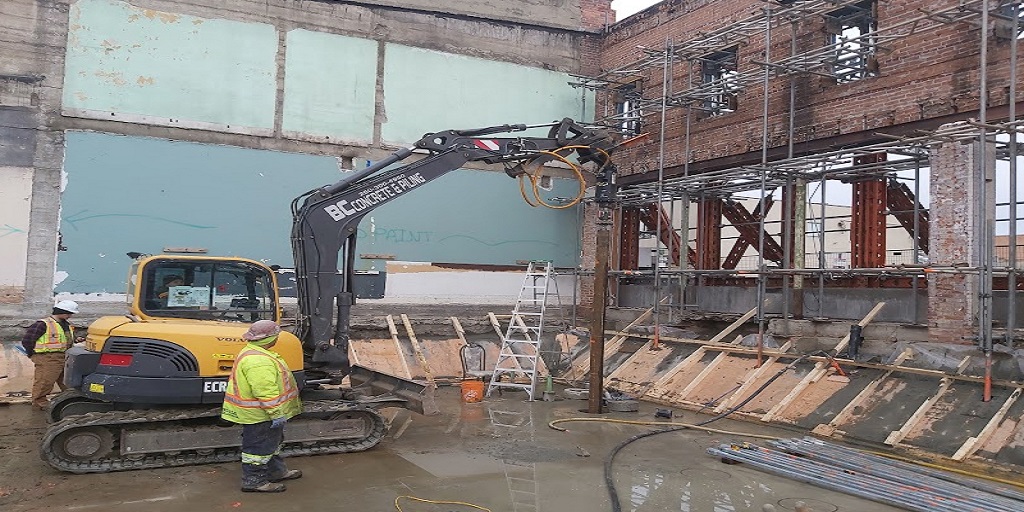
As technology evolves and the demand for stronger connectivity increases, communication towers must be built on stable foundations that can withstand environmental challenges. Among the various foundation options, helical pile foundations have become a go-to solution for engineers.
Rapid Installation Process
Communication tower projects often come with tight timelines. Unlike traditional foundations that may require weeks to cure, helical pile foundations offer a rapid installation process. These piles are screwed into the ground using specialized equipment, meaning there’s no waiting period for concrete to set. Once installed, the structure can be immediately loaded, reducing construction time and ensuring projects meet tight deadlines. This efficiency is crucial, especially when deploying infrastructure in remote or challenging environments.
Minimal Site Disturbance
Communication towers are frequently located in hard-to-reach or ecologically sensitive areas where minimal environmental impact is essential. Helical pile foundations cause little disturbance to the surrounding soil and vegetation since they do not require extensive excavation. This makes them a sustainable choice, minimizing environmental harm while ensuring structural stability. In addition, the ability to install these piles in small spaces means that contractors can work in tight urban settings without disrupting nearby structures or utility lines.
Load-Bearing Strength and Stability
One of the key reasons engineers rely on helical pile foundations for communication towers is their impressive load-bearing capacity. These foundations are engineered to support significant vertical and lateral loads, which is essential for towers exposed to high winds, heavy snow, or seismic activity. Each pile’s torque can be measured during installation, giving engineers real-time feedback and assurance that the pile will perform as expected. This adaptability is especially valuable in areas where soil conditions may vary, as the depth and number of piles can be adjusted on-site to achieve the desired stability.
Versatility Across Soil Types
Communication towers are built in diverse locations, from rocky terrains to soft soils. The versatility of helical piles allows them to perform well in a wide range of soil conditions. In areas with poor soil stability, engineers can extend the piles deeper until they reach solid ground, ensuring the foundation is secure. Additionally, the design of the helical plates on the pile shaft provides extra grip and stability, even in soft or shifting soils. This versatility allows for consistent performance regardless of the terrain, ensuring the tower remains upright and stable for years to come.
Cost-Effective Over the Long Term
While the upfront cost of installing helical pile foundations may be comparable to other foundation options, they offer significant long-term savings. The speed of installation and reduced labor requirements lower overall project costs. Moreover, their durability minimizes the need for future repairs or reinforcements. With minimal maintenance required over the lifespan of the tower, operators can avoid costly disruptions and focus on maintaining reliable communication networks. This combination of efficiency and longevity makes helical piles a cost-effective solution for long-term infrastructure projects.
When it comes to communication infrastructure, choosing the right foundation is critical for ensuring long-term performance. Engineers consistently turn to helical pile foundations for their efficiency, stability, and adaptability across various environments. Whether supporting communication towers in urban centers or remote locations, helical piles provide a reliable solution that meets the demanding needs of modern infrastructure projects. By choosing these advanced foundations, engineers can build towers that stand the test of time, supporting growing communication networks for years to come.
