
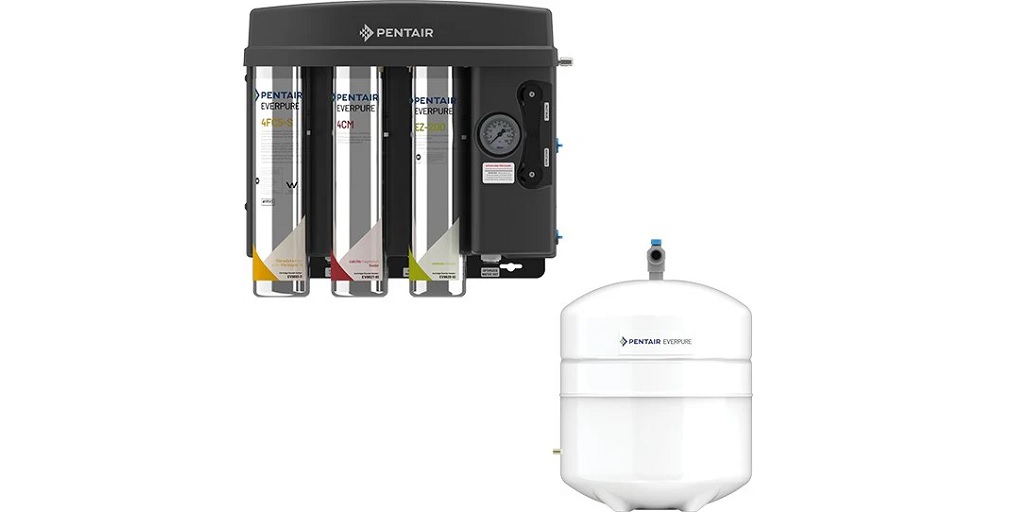
Water quality plays a critical role in the daily operations of many businesses. From enhancing customer experiences in restaurants and cafes to supporting complex manufacturing processes, the need for clean and reliable water cannot be overstated. Reverse Osmosis (RO) water purification systems provide a powerful solution to meet these needs. Here’s why businesses across various industries should consider buying an RO water purifier.
What Is Reverse Osmosis?
Reverse osmosis is a water purification process that removes contaminants by pushing water through a semi-permeable membrane. This membrane filters out impurities such as sediments, heavy metals, salts, and microorganisms, ensuring the water is exceptionally clean and safe for use. Unlike basic filtration systems, RO purifiers are designed to tackle a broader range of contaminants, making them ideal for businesses requiring high-quality water.
Key Benefits of RO Water Purifiers for Businesses
1. Improved Product and Service Quality
For businesses in the food and beverage industry, water quality directly impacts the taste and safety of the products they serve. Whether it’s the coffee brewed at a café or the ice used in a bar, the purity of water is a defining factor. RO water ensures that there are no unwanted tastes, odors, or contaminants that could compromise the customer experience.
Manufacturers of products like pharmaceuticals, cosmetics, or even microelectronics also benefit from RO systems. Contaminant-free water is essential for maintaining product integrity and meeting stringent quality standards.
2. Cost Savings in the Long Run
Although RO systems may require an initial investment, they save money over time. Businesses that rely on bottled water or outsourced water delivery services can significantly cut costs by producing purified water in-house. Additionally, RO water prevents the buildup of scale and corrosion in equipment, reducing maintenance costs for appliances such as coffee machines, boilers, and dishwashers.
3. Enhanced Brand Image
Consumers are becoming increasingly conscious of sustainability and health. Offering high-quality, purified water in your business—whether in the form of clean-tasting beverages or an eco-friendly water station—can enhance your brand image. It shows that you prioritize customer safety and environmental responsibility.
4. Regulatory Compliance
Certain industries are subject to strict water quality regulations. For instance, medical facilities, laboratories, and food manufacturers often require water that meets specific safety and purity standards. RO systems ensure compliance with these requirements, reducing the risk of penalties or legal issues.
5. Increased Equipment Lifespan
Impurities in water can cause wear and tear on machinery over time. Scale and sediment buildup can damage equipment, leading to frequent repairs or replacements. By removing these contaminants, RO systems help extend the lifespan of appliances, ensuring smooth and efficient operations.
6. Environmental Sustainability
RO systems reduce the need for single-use plastic bottles, which is a significant environmental advantage. Businesses can demonstrate their commitment to sustainability by using RO water purifiers to provide clean drinking water without contributing to plastic waste.
Which Businesses Benefit Most from RO Water Purifiers?
- Restaurants and Cafes: Ensure that water for beverages, cooking, and cleaning is contaminant-free for better-tasting food and drinks.
- Offices: Provide employees with high-quality drinking water to promote health and well-being while reducing reliance on bottled water.
- Healthcare Facilities: Meet the high standards for water purity required for sterilization and patient care.
- Hotels: Enhance guest satisfaction with better-tasting drinking water and improved water quality for showers and other amenities.
- Manufacturing Plants: Maintain product integrity and prevent equipment damage by using purified water in production processes.
How to Choose the Right RO Water Purifier
When selecting an RO system for your business, consider factors such as:
- Capacity: Choose a system that can handle your daily water usage.
- Efficiency: Look for energy-efficient models to minimize operational costs.
- Maintenance: Opt for a system with easily replaceable filters and membranes.
- Advanced Features: Some systems include UV sterilization or smart monitoring capabilities for added convenience and effectiveness.
Buying an RO water purifier is more than just a smart financial decision—it’s a commitment to quality, sustainability, and customer satisfaction. Whether you’re running a restaurant, managing an office, or operating a manufacturing facility, the benefits of clean, contaminant-free water are undeniable. By choosing an RO system, businesses can safeguard their operations, enhance their reputation, and contribute to a healthier, more sustainable future.
