When it comes to safeguarding your property, ensuring a solid and waterproof foundation is paramount. A compromised foundation can lead to structural instability, water damage, and costly repairs. Understanding the available waterproofing techniques and materials can help homeowners and builders ensure their foundations remain strong and resistant to the elements.
One critical aspect to consider is how modern foundation systems, including innovative solutions like helical piles, contribute to overall stability and protection. Helical piles are a game-changer in foundation construction, offering a reliable base for structures even in challenging soil conditions. Here’s a closer look at effective foundation waterproofing techniques and how the right materials make a difference.
Waterproofing Techniques for Foundations
Protecting your foundation from water damage is essential. Here are key techniques to keep moisture out and ensure long-term durability:
Exterior Waterproofing Membranes
Exterior waterproofing membranes are one of the most effective ways to prevent water infiltration. These membranes, typically made of asphalt or rubber-based materials, are applied to the outside of the foundation. By creating a barrier, they prevent moisture from penetrating the concrete and causing cracks or leaks. For optimal results, membranes should be applied during the construction phase, although they can also be retrofitted to existing foundations.
Drainage Systems
Proper drainage systems are crucial in diverting water away from a foundation. French drains, for example, involve perforated pipes installed around the foundation’s perimeter to channel water away from the structure. This technique works well when paired with foundation materials like helical piles, which provide stability while ensuring proper drainage in soil prone to water retention.
Interior Sealants
While not as comprehensive as exterior solutions, interior sealants offer an additional layer of protection. These sealants are applied to the inside walls of the foundation to block minor water leaks and reduce moisture infiltration. They work best when combined with other waterproofing methods, as they do not address the root cause of water intrusion.
Cementitious Coatings
Cementitious coatings are easy-to-apply, durable solutions for waterproofing foundations. They adhere well to concrete and masonry surfaces, creating a seamless barrier against water. Their affordability and simplicity make them a popular choice for residential projects, especially for smaller foundations.
Materials for Long-lasting Protection
The right materials are key to achieving effective and durable foundation waterproofing. Here are some of the most commonly used options:
- Rubberized Asphalt. Highly flexible and resistant to water, this material is often used in exterior membranes for superior protection.
- Bentonite Clay. This natural material swells when exposed to moisture, creating an effective seal against water intrusion. It is particularly useful in areas with high water tables.
- Polyurethane Foam. Ideal for sealing cracks and gaps, polyurethane foam is a versatile material for addressing minor foundation leaks.
- Geotextiles. Used in drainage systems, geotextiles enhance soil stability and prevent sediment from clogging drains, ensuring water flows away from the foundation.
The Role of Helical Piles in Waterproof Foundations
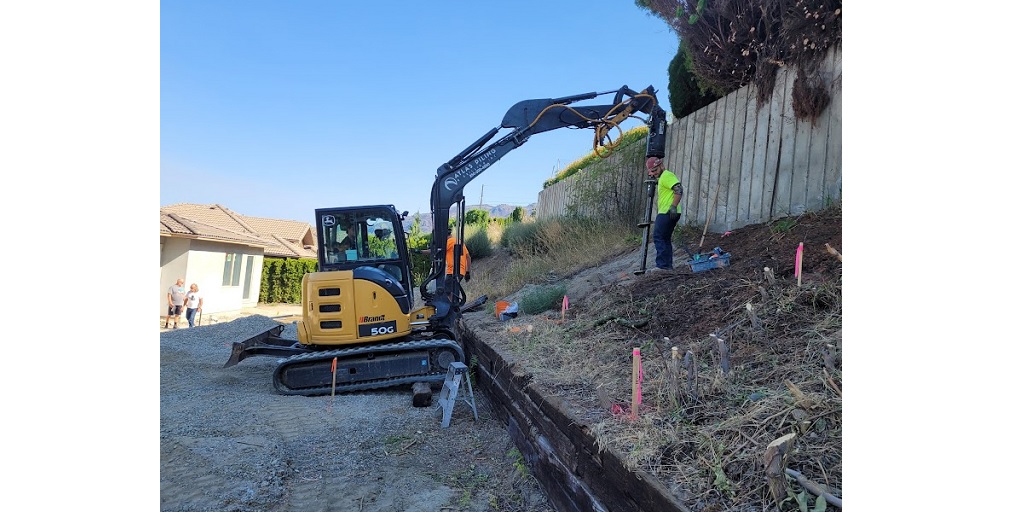
Helical piles are increasingly being used in modern foundation systems for their ability to provide unmatched stability and resistance to soil movement. These steel shafts, fitted with helical blades, are screwed into the ground to support structures.
In addition to their load-bearing capabilities, helical piles contribute to effective waterproofing by creating a stable foundation that reduces the likelihood of cracking and shifting—common entry points for water. Their installation process also minimizes soil disturbance, which can otherwise lead to drainage issues. When combined with comprehensive waterproofing measures, helical piles ensure a foundation that can withstand both time and environmental challenges.
Why Waterproofing Matters
Waterproofing a foundation is an essential step in preserving the integrity of any structure. By employing proven techniques such as exterior membranes, interior sealants, and drainage systems, along with high-quality materials, you can ensure your foundation stands the test of time. Incorporating innovative solutions like helical piles further strengthens the foundation, creating a robust barrier against water damage.
Investing in proper waterproofing measures today can save significant repair costs and extend the life of your property. Whether you’re building new or retrofitting an existing structure, taking the time to understand these methods and materials will pay dividends in the years to come.