
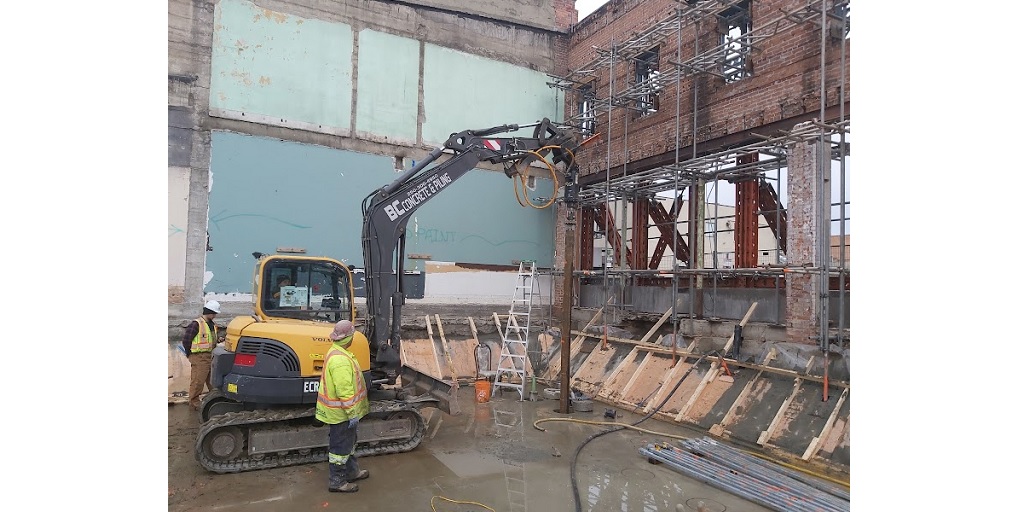
Screw piles, also known as helical piles, have become a popular choice in the construction industry due to their durability, cost-effectiveness, and ease of installation. But when it comes to evaluating their longevity, many people wonder: how long will screw piles last?
The Basics of Screw Piles
Screw piles are essentially steel shafts with helices or helical plates welded around the pile. These plates or helices act as anchors once they are drilled into the ground. They provide excellent support and stability, especially in challenging soil conditions. The design and installation of screw piles make them particularly suitable for a wide range of applications, including residential, commercial, and industrial projects.
Longevity of Screw Piles
The longevity of screw piles is primarily determined by the materials used, environmental conditions, and the quality of installation. Generally, well-installed screw piles can last for decades, making them a reliable and long-term foundation solution. Here are the key factors that influence their lifespan:
1. Material Quality
The quality of steel used in screw piles is a critical factor affecting their longevity. High-quality, galvanized steel is commonly used because it offers excellent resistance to corrosion. Galvanization protects the steel from moisture, salt, and other corrosive elements that can significantly shorten the life of uncoated steel piles. This treatment ensures that screw piles maintain their structural integrity even in harsh environmental conditions.
2. Installation Quality
The installation process greatly affects the performance and lifespan of screw piles. Proper installation involves driving the piles into the ground with precise torque to ensure they are securely anchored. If screw piles are not installed correctly—whether they are over-torqued or under-torqued—they may not perform as intended, which can impact their longevity. Hiring experienced helical pile contractors who understand the nuances of the installation process is crucial. These professionals will ensure that the piles are installed to the exact specifications needed for optimal performance.
3. Environmental Conditions
Environmental factors such as soil type, moisture levels, and climate play a significant role in the durability of screw piles. Screw piles are designed to work well in various soil types, including sand, clay, and loam, but conditions vary. For example, screw piles installed in areas with high moisture content or freeze-thaw cycles might experience some wear and tear over time. However, they are generally designed to withstand such conditions without compromising their structural integrity.
4. Load Capacity
The load capacity of screw piles also contributes to their longevity. Piles that are designed to handle higher loads will have a longer lifespan because they are less likely to bend, crack, or fail under stress. The engineering behind the design of screw piles ensures that they can withstand significant loads, providing stability for years to come.
5. Regular Maintenance
While screw piles require minimal maintenance, periodic inspections can help detect any issues early and extend their life. Regular maintenance, such as checking for corrosion, ensures that screw piles continue to perform optimally over time. Hiring a reputable contractor to perform these checks can prevent potential issues that could compromise the lifespan of the piles.
Screw piles are known for their long-lasting durability when properly installed and maintained. The key to their extended lifespan lies in the quality of materials, expert installation, and regular maintenance. With the right conditions and care, screw piles can provide a reliable foundation for decades, making them a wise investment for any construction project.
Whether you’re building a new home, commercial property, or industrial facility, choosing helical pile contractors who understand these key factors will help you achieve a stable and durable foundation that stands the test of time.
