
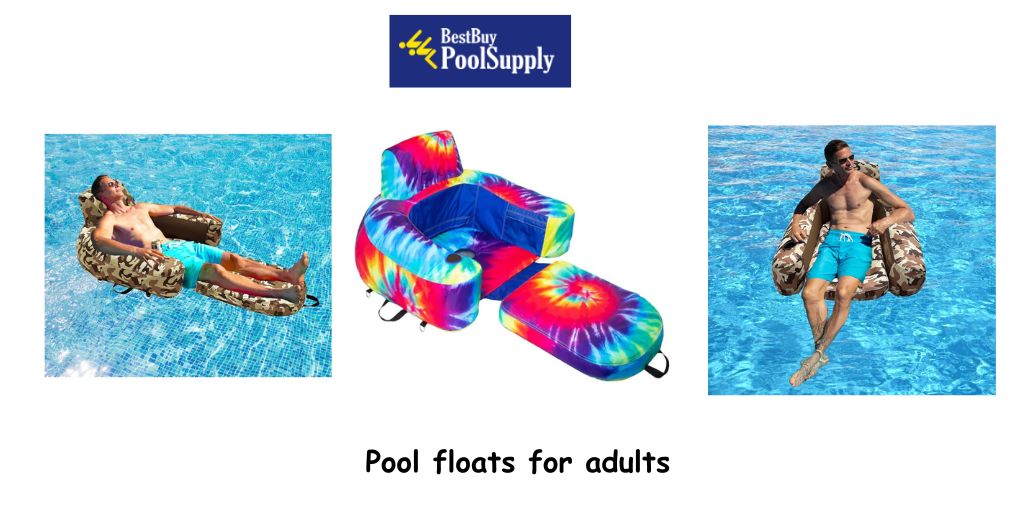
Pool floats are a fantastic way to relax and enjoy time in the water, whether you’re lounging on a giant inflatable unicorn or reclining on a simple raft. However, without proper care, these floats can deteriorate quickly, leading to unnecessary replacements.
With the right maintenance routine, you can extend the life of your pool floats for adults and kids alike and enjoy them for years to come. Here’s how you can properly care for and store your pool floats to keep them in top condition.
Air-Dry Thoroughly Before Storage
One of the most important steps in maintaining pool floats is ensuring they are completely dry before putting them away. If stored while damp, they can develop mildew and mold, leading to unpleasant odors and potential damage.
After using your floats, leave them in a well-ventilated area, preferably in the sun, to dry completely. If one side remains damp after releasing the air, flip it over and allow it to dry further. Proper air-drying prevents mildew and extends the lifespan of your float.
Use a Pump to Deflate Properly
Deflating pool floats manually can be time-consuming and ineffective. Using a pump that has a reverse function can make the process easier. Simply attach the pump to the deflation valve, and it will quickly suck the air out, allowing you to fold and store the float without trapped air pockets. This ensures that your floats remain compact and easier to store.
Store in a Dedicated Space
Once your floats are completely dry and deflated, store them in a designated bin or container. Keeping all your floats in one place makes it easier to access them when needed and protects them from external damage. If you have a large bin, consider using it to store multiple floats together, keeping them organized and free from unnecessary wear and tear.
Protect from Extreme Temperatures
Extreme heat or cold can negatively affect the material of your pool floats. Exposure to direct sunlight for prolonged periods can cause fading and brittleness, while extreme cold can make the material more prone to cracking. Store your floats in a cool, dry place away from direct sunlight or freezing conditions to prevent damage.
Inspect for Wear and Tear
Before and after each use, check your pool floats for signs of wear and tear, such as small holes or leaks. Patch up minor damages promptly using a repair kit to prevent them from worsening. Regular inspections help ensure that your floats remain in good condition and are safe for use.
Clean Before Storing
Residue from pool water, sunscreen, and dirt can accumulate on your pool floats, leading to deterioration over time. After use, clean your floats with a mild soap and water solution, then rinse thoroughly. This removes any harmful chemicals that may break down the material.
Avoid harsh cleaners, as they can weaken the float’s surface and reduce its durability.
Replace When Necessary
Even with the best care, pool floats will eventually reach the end of their lifespan. If you notice severe damage that cannot be repaired, it may be time to replace your float. While it can be disappointing to part with a favorite float, replacing it ensures safety and comfort when using a new one.
Caring for Your Pool Floats Makes Them Last Longer
You can preserve your pool floats for adults and kids when you know how to care for them properly. Doing so goes a long way in preventing damage and ensuring longevity, making them easier to enjoy for many seasons.
Take the time to care for your pool floats properly, and they will continue to provide endless fun and relaxation for years to come.
For more information about pool chemicals and Pool Filters Please Visit : Recreation Discount Wholesale Inc
