
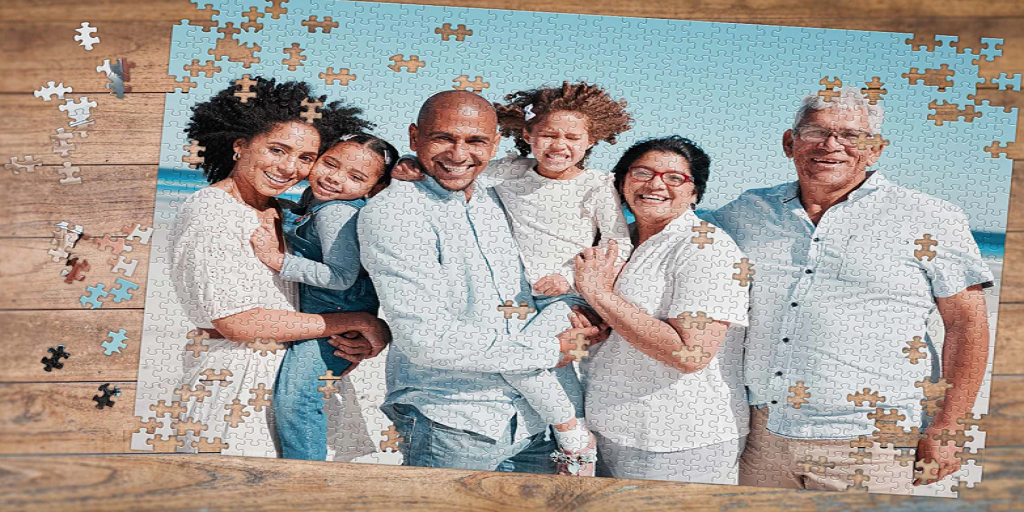
Many types of people love jigsaw puzzles, no matter their age and gender. However, for those who love jigsaw puzzles for adults, also known as dissectologists, approach complex puzzles with precision, patience, and a deep understanding of piece structures.
The world’s most difficult puzzles challenge even the most seasoned solvers, but dissectologists use strategic methods to complete them efficiently.
The Path of Least Resistance: Smart Sorting
One of the most effective strategies in solving difficult jigsaw puzzles is following the path of least resistance. This means starting with the easiest sections—those with distinct colors, patterns, or recognizable images—and gradually working towards more challenging areas.
For example, if a puzzle features a sky, dissectologists will separate blue pieces with cloud details from plain blue ones. Sorting pieces by texture, color gradients, and contrast helps reduce trial and error, making the process smoother.
Grouping Pieces for Efficient Assembly
Rather than randomly placing pieces, experienced solvers pre-sort them into logical groups:
- Edge pieces
These form the puzzle’s border and provide an initial framework.
- Color-based groups
Pieces with similar hues are set aside to build distinct sections.
- Pattern-matching groups
Identifying repeating patterns (like tree bark or bricks) helps solve large areas more efficiently.
Once groups are sorted, dissectologists assemble smaller sections before integrating them into the main puzzle structure.
Overcoming Missing or Misplaced Pieces
Dissectologists don’t panic when pieces seem to be missing. They understand that the piece is somewhere in the pile and avoid wasting time searching prematurely. Instead, they continue assembling sections and trust that the missing piece will turn up naturally.
Additionally, mistakes happen. Pieces that seem to fit but don’t belong can cause roadblocks later. The best puzzlers recognize this early, use magnifying glasses if necessary, and quickly correct errors before they derail progress.
Understanding Puzzle Cut Types
The shape and cut of the pieces play a huge role in puzzle difficulty, especially for jigsaw puzzles for adults. There are six common piece shapes in traditional “grid cut” puzzles, and understanding them can significantly speed up the solving process.
- Knob and hole pieces interlock predictably, making them easier to match.
- Identical-looking pieces in ambiguous cuts can lead to frequent mistakes.
Knowing how a puzzle is cut allows dissectologists to anticipate where a piece might belong based on its shape alone.
Using Writing, Faces, and Bright Colors
Certain elements make puzzles easier to complete. One, letters, writing, or signs on pieces provides immediate placement clues. Second, faces stand out, making them quick to assemble.
Finally, bright colors create natural divisions in the image.
Difficult puzzles often lack these features, making them more challenging. When faced with a puzzle that is mostly one solid color, dissectologists switch strategies by focusing on piece shape rather than image.
Tackling Precision-Cut and High-Difficulty Puzzles
Some puzzles appear simple but are deceptively hard due to how precisely the pieces fit together. With these, pieces may seem to match but only have one or two points of contact, leading to incorrect placements.
To effectively solve these, try testing pieces carefully before committing. Then you also need to check the overall pattern—if the puzzle doesn’t flow naturally, a piece is likely misplaced. Don’t be afraid to use a magnifying glass to detect slight differences in fit.
Mistakes are inevitable, but part of the challenge is identifying and correcting them efficiently.
The Satisfaction of Solving Ultra-Difficult Puzzles
For many, puzzles are more than a hobby—they are a way to appreciate fine art, improve cognitive abilities, and even collect rare, high-value puzzles. Some collectors chase limited-edition puzzles for years, valuing them as works of art rather than just recreational activities.
Dissectologists don’t just put together jigsaw puzzles—they master them with strategy, experience, and keen attention to detail. And when you want a real challenge, why not design your own jigsaw puzzle for adults at MakeYourPuzzles?
