
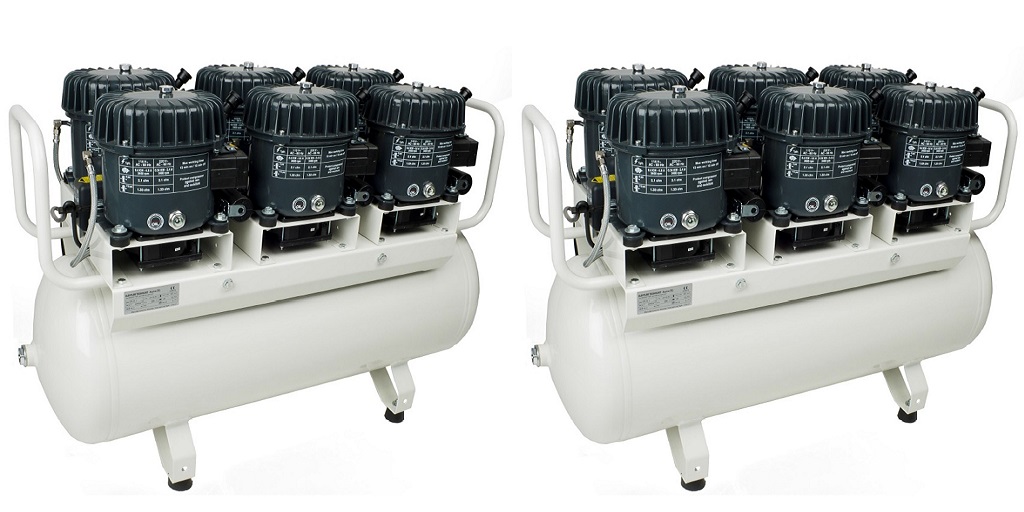
A 3 HP/26-gallon air compressor hits that rare sweet spot most field techs and mobile teams wish every tool had: just enough power to handle serious work, without dragging around a tank the size of a small water heater. Whether it’s HVAC repair, mobile welding, or light fabrication out in the field, this tank size offers practical capacity without overcomplicating transport, setup, or fuel use.
If you’re tired of lugging undersized pancake compressors or dreading the bulk of an oversized 60-gallon shop tank, the 3HP/26-gallon option might be the upgrade you didn’t know you needed.
Mobility That Doesn’t Sacrifice Performance
For mobile crews, every inch and pound matters. A 26-gallon air compressor fits neatly into vans, trailers, and pickup beds without needing a forklift or a second person to move it around. Most models come mounted on wheeled frames, making them easy to position right where the work is happening—rooftops, mechanical rooms, or shop floors on the move.
But this isn’t just about portability. You’re still getting serious air volume: most compressors in this range deliver anywhere from 4 to 12 CFM, depending on motor and pump design. That’s enough airflow to run impact wrenches, grinders, framing nailers, and even small plasma cutters when needed.
The point? You can stay mobile without giving up on the power needed to actually finish a job.
Ideal for HVAC, Light Fabrication, and General Field Service
Field technicians in the HVAC industry regularly rely on air for pressure testing, nitrogen purging, coil cleaning, and operating pneumatic tools. Dragging around a 5-gallon or 8-gallon unit might get the job done—barely—but refill cycles eat into productivity. A 3 HP/26 gallon air compressor gives you the extra air volume to keep tools running longer between cycles and reduces stress on the motor.
In mobile welding and light fabrication, you’re often using air for cutting, grinding, or clamping tools. Again, you want something that delivers stable airflow without being so large that it becomes a liability.
For field service contractors handling multi-trade work, this tank size is often the default. It supports most mid-range pneumatic tools, yet remains compact enough to pull out of a van or truck bed solo.
Is a 3 HP/26-Gallon Air Compressor Too Much for Mobile Work?
That depends on what you’re doing.
If your crew only needs to run brad nailers or inflate tires, then yes—you might be overbuying. A smaller compressor will take up less space and burn less fuel.
But if you need:
- Enough air to power two or more tools without choking the system
- Fewer pauses for the tank to refill
- Reliable performance over multi-hour service calls
Then 3 HP/26 gallons starts to look less like overkill and more like the new standard.
This size is especially smart for teams working in environments where electricity may be limited or generator power is shared between multiple tools. You’ll need fewer restarts, less waiting, and more time working.
What to Look For in a 3 HP/26-Gallon Air Compressor for the Field
Not all 3 HP/26-gallon units are created equal. If you’re putting it to work in the field, look for:
- Durable wheels and handle design. You’ll be moving it around a lot.
- Quiet or low-decibel models. Especially important for indoor or residential jobsites.
- Dual quick-connect couplers. If you plan on running more than one tool at a time.
- Oil-free pump options. Lower maintenance for mobile work.
- Vertical vs. horizontal configuration. Vertical units save floor space; horizontal ones tend to be more stable on the move.
For pros working out of a van or truck, noise level, vibration, and quick recovery time matter just as much as CFM specs. Choosing the right configuration will depend on your layout, job type, and tool demand.
To find the right 3 HP/26-gallon model that balances durability, output, and smart design for field use, visit Air & Vacuum Process, Inc. online. They offer performance-driven options tailored to real-life fieldwork—not just brochure specs.
