
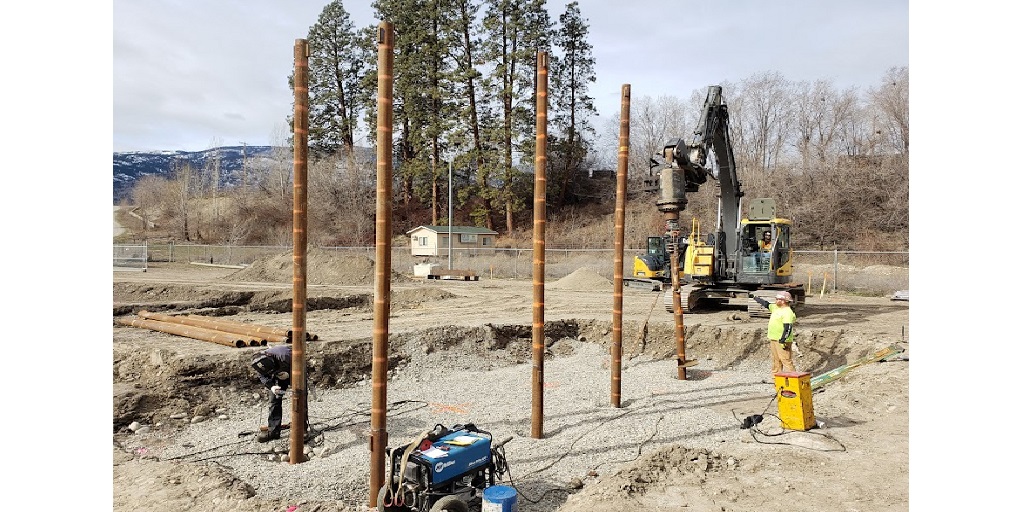
Among the many foundation options available, helical piles, driven piles, and micropiles are commonly considered for a variety of soil and site conditions. Understanding when to use each type can help builders and property owners make informed decisions—and knowing how to find reliable helical pile contractors near me is essential when that option fits the project’s needs.
Understanding the Strengths of Different Foundation Systems
While each foundation type serves the purpose of transferring loads from a structure to stable soil or rock, they differ in installation methods, suitability for soil conditions, and project demands. Let’s explore the key considerations that help determine which solution works best for a specific site.
When to Choose Helical Piles
Helical piles are often favored for projects requiring fast installation with minimal disturbance to the site. These piles are screwed deep into the ground, allowing for immediate load-bearing capacity. Their installation causes very little noise and vibration, making them an excellent choice for urban or noise-sensitive areas.
If your project timeline is tight or the ground is difficult to excavate, searching for helical pile contractors near me can connect you with professionals who specialize in efficient installation techniques. Additionally, helical piles excel in sites with challenging soil conditions, such as loose, soft, or unstable soils where traditional foundations struggle to provide consistent support.
When Driven Piles Are the Right Fit
Driven piles, sometimes called “precast piles,” are typically long columns hammered into the ground by a pile driver. Their strength and load capacity make them ideal for heavy structures requiring deep foundations.
However, driven piles can generate considerable noise and vibration during installation, which may not be suitable for sites close to residential areas or sensitive environments. This method also requires significant heavy equipment and excavation preparation. Driven piles are often preferred in large-scale commercial or infrastructure projects where these factors are manageable.
Considering Micropiles for Limited Access and Complex Loads
Micropiles are small-diameter, high-capacity piles installed by drilling and grouting. They are especially useful in areas with limited access or where load requirements are highly specialized. Because micropiles are installed with minimal vibration and noise, they are suitable for retrofits, underpinning, or sites where traditional piling methods are impractical.
Their installation process is more time-intensive and costly compared to helical piles, so micropiles are often reserved for complex structural challenges or environments with strict restrictions.
How to Decide Which Foundation Is Best
Several factors influence the decision on whether to use helical piles, driven piles, or micropiles, including:
- Soil conditions. The type, stability, and depth of load-bearing soil play a major role. Helical piles are versatile for many soil types, while driven piles require soils that allow hammering without excessive resistance or damage. Micropiles suit challenging geotechnical scenarios.
- Project size and load requirements. Large structures with heavy loads may demand driven piles or micropiles, while residential or light commercial projects often benefit from helical piles.
- Site constraints. Noise limits, vibration sensitivity, equipment access, and environmental regulations can all steer the choice.
- Installation timeline and cost. Helical piles typically offer quicker installation and lower mobilization costs compared to other piling methods.
When researching contractors, look for those with a proven track record, up-to-date certifications, and positive client references. Effective communication and responsiveness are also key indicators of reliable service providers.
Choosing between helical piles, driven piles, and micropiles involves weighing the project’s technical requirements alongside logistical and environmental factors. Each solution has its unique advantages and trade-offs.
