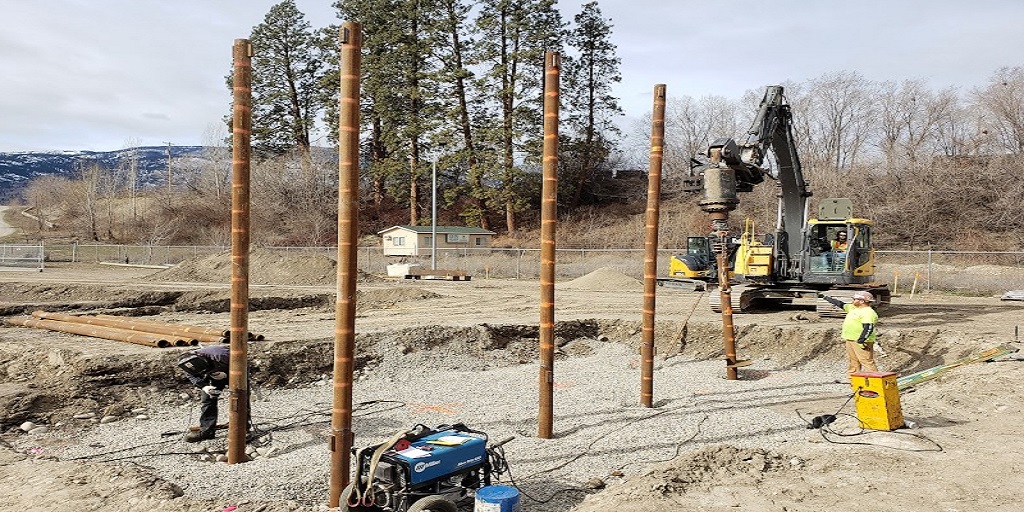
When it comes to choosing the right deep foundation solution, project owners often face a decision between auger cast piles and helical pile installation. On the surface, both options appear to serve the same purpose—transferring loads from structures to deeper, more stable soils. But the deeper you dig (pun intended), the more you realize the decision isn’t just about initial installation costs.
The truth is, while auger cast piles might seem appealing in some scenarios, the long-term performance, site adaptability, and true cost of ownership often reveal a very different story. Let’s break down the lesser-known factors that can impact your bottom line over time.
1. Site Conditions Can Tip the Balance
One of the biggest differentiators between auger cast and helical pile installation is how each handles challenging soil conditions. Auger cast piles require specific soil types to perform optimally. Loose, sandy soils or high groundwater levels can complicate the process, increase costs, or even cause delays due to spoil disposal and casing requirements.
Helical pile installation, on the other hand, is more versatile. It can adapt to a variety of soil conditions with minimal site disruption. This flexibility translates into fewer unexpected costs due to adverse site conditions—a big win for projects with tight schedules or unpredictable terrain.
2. Installation Speed = Real Savings
It’s easy to underestimate how valuable time is on a construction site until you’re up against delays. Auger cast piles involve multiple steps: drilling, placing reinforcement, and pumping concrete—all of which require curing time before loads can be applied.
With helical pile installation, there’s no waiting. Piles are installed using torque motors and can be loaded immediately. This speed reduces overall project timelines, shortens equipment rental periods, and decreases labor costs. What might initially seem like a higher price per unit for helical piles often turns out to be a bargain when considering these time savings.
3. Noise, Vibration, and Neighbor Complaints
Auger cast installations can generate considerable noise and vibration, especially in urban or residential areas. These disturbances can not only affect nearby structures but may also trigger complaints or even restrictions that delay your project.
Helical pile installation is a low-noise, low-vibration process, making it ideal for projects with close property lines, sensitive environments, or community considerations. When keeping good relations with neighbors—and avoiding potential fines or project delays—is part of your risk management plan, the quieter method can make all the difference.
4. Spoil Removal and Environmental Impact
Auger cast piles produce a significant amount of spoil—wet soil and slurry that must be managed, treated, and transported offsite. Depending on local regulations, this can become a costly logistical issue.
Helical piles produce virtually no spoil, as they displace the soil rather than excavate it. This not only reduces cleanup costs and hauling fees but also lessens the environmental footprint of your project. For developers focused on sustainable practices, this is a key advantage that shouldn’t be overlooked.
Look Beyond the Upfront Costs
Choosing between auger cast and helical pile installation isn’t just about immediate material and labor expenses. It’s about understanding how each method interacts with your specific site, timeline, regulatory environment, and long-term goals.
While auger cast piles have their place, the reduced environmental impact, faster installation, lower risk of delays, and greater adaptability of helical pile installation often result in a lower total cost of ownership. When you add it all up, the smarter investment may not be the one with the cheaper upfront price tag—it’s the one that saves you time, stress, and hidden expenses down the road.