
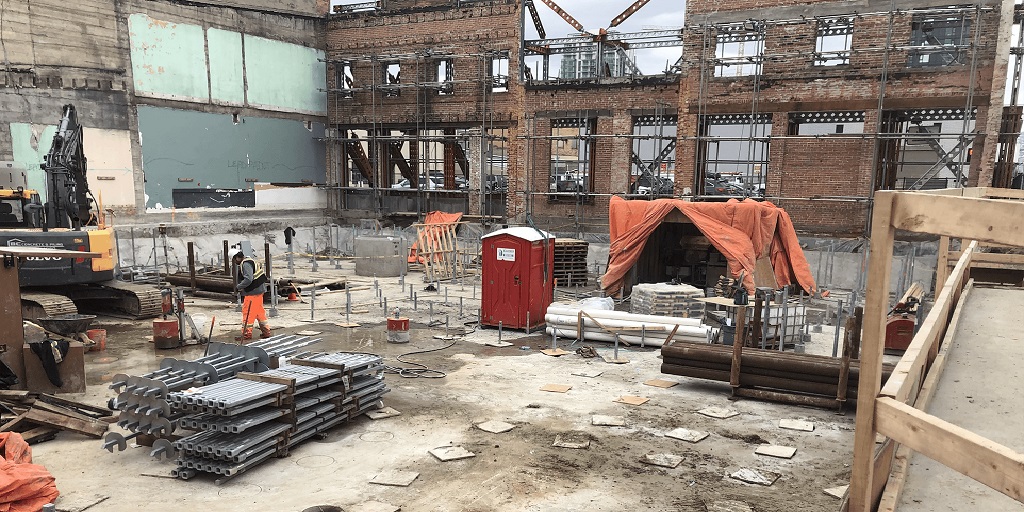
Once a helical pile installation is complete and the structure is standing tall, the job isn’t entirely over. Ensuring long-term stability means putting a plan in place to monitor pile performance over time. While helical piles are known for their reliability, performance verification is key—especially for projects where structural integrity must be maintained for decades.
Why Post-Construction Monitoring Matters
The strength of a foundation doesn’t stop at installation. Soil conditions can change. Seasonal moisture can cause ground movement. Nearby construction can alter the soil matrix. Even high-traffic vibrations or freeze-thaw cycles can gradually affect the load-bearing behavior of a pile system.
That’s why routine monitoring is critical—not only to ensure safety and compliance but also to prevent expensive repairs or structural adjustments in the future.
Start with Load Verification
The most common post-installation check is load verification. This step usually involves load testing a sample of the installed helical piles to validate that they can support the anticipated structural loads. While this is typically done during construction, repeating the test at intervals—especially for sensitive or mission-critical infrastructure—can offer peace of mind.
Tools such as hydraulic jacks, reaction frames, and dial gauges are used in these tests to simulate vertical loads and measure displacement. If the tested movement is within the design limits, your foundation is still holding firm.
Use Torque Logs to Benchmark Performance
A reliable helical pile driver should already capture torque readings during installation. These torque logs are not just installation data—they’re benchmarks. Higher torque values generally indicate better load-bearing soil, and deviations in expected torque could signal a need for deeper piles or additional reinforcements.
Keeping these torque records accessible allows for future comparisons. If further investigation or additional installations are needed down the line, your team will know the baseline performance expectations.
Periodic Surveying and Settlement Monitoring
Another widely-used monitoring method is elevation surveying. By using precision instruments like total stations or digital levels, you can monitor vertical movement of the structure over time.
Any signs of settlement—especially if differential settlement is occurring—may be an early indicator of foundation stress. While some minor movement is natural and often harmless, unexplained or uneven shifts may require investigation.
Settlement plates can also be installed at pile cap level or on top of the foundation to provide real-time data. These plates work by showing vertical movement in response to structural load or soil shifts.
Install Inclinometers for Lateral Movement
Although vertical stability is the primary focus, lateral movement can also compromise a pile’s performance. For applications in retaining walls, slopes, or seismic-prone zones, inclinometers can help monitor sideward movement.
Installed in boreholes near the pile foundation, these devices record lateral shifts over time and can alert engineers to potential ground instability that wasn’t originally anticipated.
Digital Monitoring and Remote Sensing
As technology advances, so do monitoring tools. Some engineers now use remote monitoring systems with embedded sensors to track pile load, pressure, and tilt in real-time. These systems reduce the need for manual checks and provide early warnings when pile performance dips outside of expected parameters.
Data can be transmitted wirelessly to central dashboards, making long-term monitoring more efficient and less labor-intensive—ideal for infrastructure projects or buildings that require constant performance assurance.
Installing a helical pile foundation is only part of the journey. With thoughtful and regular post-construction monitoring—anchored by load testing, surveying, and digital tools—you’ll catch problems before they escalate and protect your investment for the long haul.
