
Starting a construction project means making decisions that directly impact your budget—and your timeline. For decades, concrete foundations have been the standard choice, but more and more property owners are discovering the hidden costs that come with them. These unexpected expenses can quickly push projects over budget and lead to frustrating delays. It’s no surprise that homeowners, builders, and developers are now searching for “helical pile installers near me” as they look for smarter, more cost-effective alternatives.
If you’re planning a residential, commercial, or industrial project, here’s what you need to know about the unexpected expenses of concrete foundations — and why many are turning to helical piles as the better option.
1. Excavation and Site Prep Costs Add Up Fast
Concrete foundations require significant excavation before any work can even begin. Depending on your soil conditions and project size, this step alone can become a major expense. Deep digging often requires heavy machinery, skilled operators, and, in some cases, trucking fees to remove excess soil.
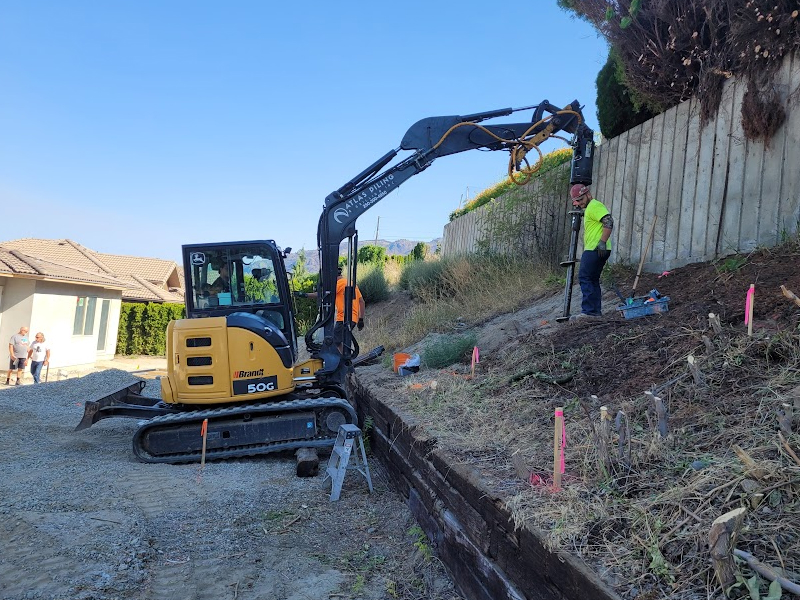
With helical piles, excavation is minimal or even unnecessary. They’re designed to be installed directly into the ground using hydraulic equipment, significantly reducing the time, labor, and costs associated with site preparation. If you’re comparing budgets, this is one of the biggest reasons people look for helical pile installers before locking in a concrete-based plan.
2. Delays Caused by Weather-Dependent Work
Concrete foundations are highly dependent on weather conditions. If temperatures drop too low or there’s too much rain, work has to stop. Waiting for the right weather window doesn’t just delay your schedule — it increases labor costs, equipment rentals, and project overheads.
Helical piles, on the other hand, can be installed year-round, even in cold or wet conditions. There’s no need to wait for perfect weather because there’s no curing time required. This flexibility is one of the reasons experienced builders often recommend searching for “helical pile installers near me” when working on tight timelines.
3. Unpredictable Soil Conditions Can Increase Costs
Concrete foundations often require additional reinforcement if the soil isn’t ideal. In cases where the ground is soft, unstable, or prone to shifting, you may need extra concrete, rebar, or even deep foundation systems to ensure stability — all of which add to your expenses.
Helical piles, by contrast, are engineered to adapt to various soil types without significant modifications. They’re screwed deep into the ground until they reach stable, load-bearing layers, reducing the risk of costly adjustments mid-project. Many contractors start their search for “helical pile installers near me” when they know they’re working on challenging terrain.
4. Higher Labor and Equipment Costs
Pouring and curing concrete isn’t just time-consuming — it’s labor-intensive. Skilled crews are needed for framing, mixing, pouring, and finishing the foundation, often requiring several days of coordinated work. Additionally, the equipment involved can be expensive to operate and maintain.
Helical piles streamline this process. Because installation is faster and less labor-heavy, you save on workforce hours and equipment rental costs. Over the span of an entire project, these savings can be significant.
While concrete foundations have their place, they come with hidden costs that can quickly spiral out of control. From excavation and weather delays to soil issues and long-term maintenance, the financial risks are often underestimated. Helical piles offer a faster, more cost-efficient, and more reliable alternative, which is why an increasing number of builders and property owners are seeking “helical pile installers near me” for their next project.
For more information about Commercial Drilling Service and Commercial Piling Services Bc Please visit: ATLAS PILING.
