
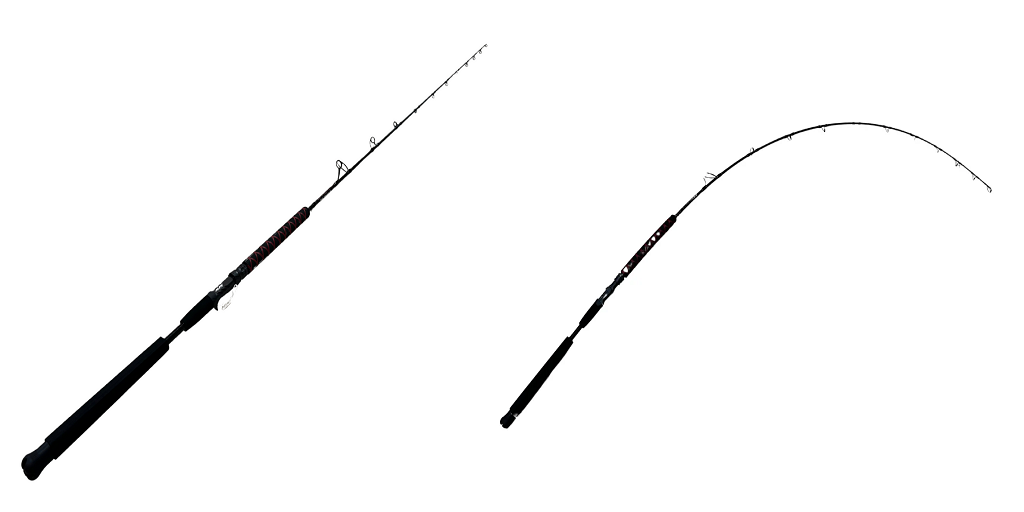
Let’s just put this out there. Slow pitch jigging rods are expensive. You might have thought fly rods were expensive before you got into slow pitch jigging. Well, welcome to the club.
The point here is this: slow pitch jigging rods may be expensive, but they are also fragile, just like most other fishing rods. Perhaps a little tougher in the rod tip than a fly rod or ultralight inshore rod, but fragile nonetheless.
Here are some ways not to break yours.
Don’t Be Ridiculous with the Hookset
It’s good to get a solid hookset. But you don’t need to swing for the heavens. Doing so can break your rod tip – no other explanation should be needed here.
Set Your Drag Properly
Setting your drag properly will not just tire the fish out more effectively, but it will also help take some of the load off the slow pitch jigging rod – literally. If your rod is in a constant 90-degree parabolic arc, back off the drag a little and let the fish run.
Mind the Gunwale
You don’t want the rod to contact the gunwale above the reel seat; this puts an enormous amount of stress on the rod and creates a pressure point at which the rod can easily fracture or break. Keep the rod off the gunwale while fighting, no matter how tired you get.
Quit High Sticking
Don’t force your rod tip up towards the sky, even when the pressure’s on. Like letting the rod contact the gunwale, it creates an enormous amount of pressure. Besides, you may have heard to keep your “tip up” but this is not actually true; you need to keep your line tight and the rod pointed away from the fish – but don’t overdo it.
Don’t Flip the Fish Over the Rail
It doesn’t matter how small the fish is. Don’t get lazy. Either grab, net, or gaff the thing if you must. Using your rod to flip the fish over the rail is a quick ticket to a broken rod tip or a rod snapped entirely in two.
Don’t Lay Them on the Deck
Want to break your slow pitch jigging rod as quickly as you can? Lay it down on the deck when you’re not using it. That’s a sure-fire way to convince someone to step on it and snap the tip or break one of the guides – or worse.
Protect Them While Traveling
Either store them somewhere smart, or else travel with the rods in a rod tube or sleeve when you’re going anywhere. Rods rattling against each other or banging into other stuff in the back of the truck will be damaged, even if they don’t break.
Here for a New Slow Pitch Jigging Rod?
In the market for a new slow pitch jigging rod? If you broke the last one beyond the point of repair, do yourself a favor and make sure you heed the warnings in this article before you get it.
But for that, visit Johnny Jigs, the uncontested authority in all things slow pitch jigging. You can pick up some new jigs while you’re there as well.
For More Information About Jigs and Yo Zuri 40 Please Visit: Johnny Jigs.
