
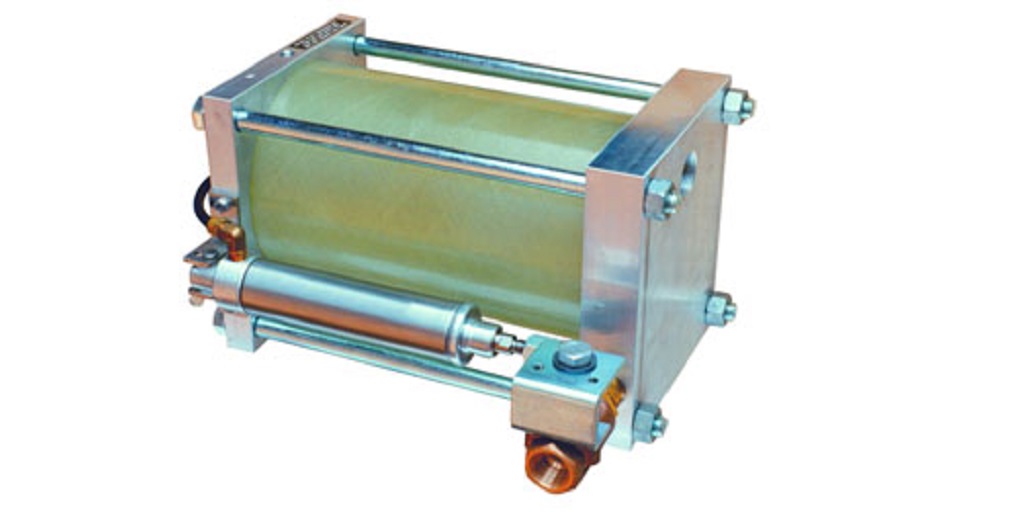
Compressed air is one of the most expensive utilities in any facility. Energy audits often zero in on big-ticket items like compressors, dryers, and filtration systems. But smaller components are just as critical to system performance — and the air compressor drain valve is one of the most overlooked.
Why the Drain Valve Matters
Condensate forms naturally in compressed air systems, bringing moisture, oil, and particulates that need to be removed before they cause damage. The drain valve handles this task, quietly ensuring clean, dry air moves downstream.
When a valve isn’t working as it should, the results can be costly. A stuck-open valve bleeds compressed air nonstop, while a stuck-closed valve allows water to pool inside the system. In either case, what seems like a minor issue can lead to wasted energy, equipment damage, or compromised product quality.
The Hidden Costs of Ignoring Drain Valves
Energy audits often miss drain valves because they’re considered too small to make a difference. In reality, their impact is anything but minor:
- A single 1/8-inch hole left open in a 100-psi system can waste more than 20,000 cubic feet of compressed air per month. That’s roughly $2,000 a year in electricity costs — from just one faulty drain.
- Excess moisture corrodes lines, wears out tools, and shortens compressor life. Repairs from moisture damage can easily run into the tens of thousands.
- In industries with strict purity standards, such as pharmaceuticals or food production, a clogged or malfunctioning drain valve can mean entire batches of product are compromised.
By the time these issues show up in the form of downtime or product rejects, the damage has already been done.
Why They Belong in Every Audit
Adding the air compressor drain valve to your regular audit checklist is a simple way to prevent hidden inefficiencies. Auditors can verify whether drains are the right type for the system, confirm they’re cycling properly, and catch early signs of failure. This not only reduces energy costs but also extends the life of major equipment.
Automatic drain valves, especially zero-loss designs, can make audits even more effective. They remove condensate without releasing compressed air, eliminating one of the most common sources of waste in older systems.
Quick Audit Checklist for Drain Valves
When adding drain valves to your compressed air audit, focus on these key checks:
- Confirm valves are the right type for the application (manual, timer, float, or zero-loss).
- Inspect for signs of clogging, sticking, or corrosion.
- Listen for air leaks that signal wasted energy.
- Verify automatic valves are cycling properly under load.
- Review maintenance records to spot recurring failures.
Even a brief inspection can reveal whether valves are quietly draining efficiency from your system.
A Small Step with a Big Payoff
The drain valve might not be the largest part of your compressed air system, but it plays an outsized role in efficiency and reliability. Treating it as part of the bigger picture — rather than an afterthought — helps ensure every dollar spent on compressed air delivers maximum value.
If improving efficiency is on your agenda, start by looking at the small details that make the biggest difference. For reliable solutions that support a smarter audit process, visit Air & Vacuum Process, Inc. online.
