
Basements often get a reputation for being damp, drafty, and cold. That doesn’t mean they can’t be transformed into comfortable, livable spaces. Whether you’re using your basement as a home office, workout zone, or entertainment room, adding wall-mounted heaters and improving the overall efficiency of the space can make a significant difference. Below are practical strategies for warming up basements effectively, without driving energy bills sky-high.
Seal Out the Chill Before It Sneaks In
One of the biggest reasons basements feel cold is the presence of drafts. Tiny gaps around windows, doors, or wall penetrations can let cold air slip inside and warm air leak out. Over time, this doesn’t just affect comfort—it adds unnecessary strain on your heating system.
Why it matters: Drafts act like a conveyor belt for cold air. Without sealing them, any heating effort becomes less effective and more costly.
How to do it:
- Check basement windows and doors on a windy day, or hold a lit incense stick near the edges—if the smoke wavers, you’ve found a draft.
- Apply weatherstripping to window frames and door jambs.
- Use caulk or spray foam to fill cracks where pipes or electrical wiring enter.
- Don’t overlook the sill plate (where the foundation meets the framing), which is a common culprit for leaks.
A few hours of sealing can improve warmth retention by as much as 20%, making your basement much easier to heat.
The Long-Term Warmth Investment
Even after sealing drafts, cold concrete walls and floors continue to sap warmth from the air. Insulating these surfaces helps maintain a stable indoor temperature and reduces the workload on your heater.
Practical approaches:
- Foam board insulation on walls creates a moisture-resistant barrier while improving thermal resistance.
- Fiberglass batts between framing studs are another option for finished basements.
- Rugs or carpet tiles over concrete floors add a simple layer of warmth underfoot.
- For ceilings, insulation between joists can also prevent warm air from escaping upstairs.
When combined with a heater, insulation acts like a blanket, ensuring the warmth stays in the room rather than escaping into the walls.
Circulate Warmth with a Ceiling Fan
It may seem unusual to install a ceiling fan in a basement, but it’s a smart way to ensure even heating. Warm air naturally rises and can collect near the ceiling, leaving the floor area cool.
Why it works: Switching the fan to a clockwise rotation on low speed pushes warm air back down toward the ground without creating a breeze. This balances the temperature across the room, allowing you to feel more comfortable at a lower thermostat setting.
Added benefit: A fan also helps control moisture levels by preventing stagnant air pockets, which are common in basements.
Making the Most of Wall-Mounted Heaters in a Basement
Once the drafts are sealed, insulation is in place, and airflow is improved, it’s time to consider how to best use a wall-mounted heater. These heaters are designed for zone heating, meaning you only warm up the areas you’re actually using. This makes them far more efficient than trying to extend central heating ducts into a basement that may only be occupied part of the day.
Tips for effective use:
- Install the heater on an interior wall, about 6 to 8 inches from the floor, for optimal circulation.
- Pair the heater with a programmable thermostat so you can pre-warm the space only when needed.
- Use more than one unit for larger basements to evenly distribute heat.
- Because wall-mounted heaters don’t dry the air like traditional furnaces, they help keep basements more comfortable.
With the right setup, a basement can be just as warm and inviting as any other room in your home.
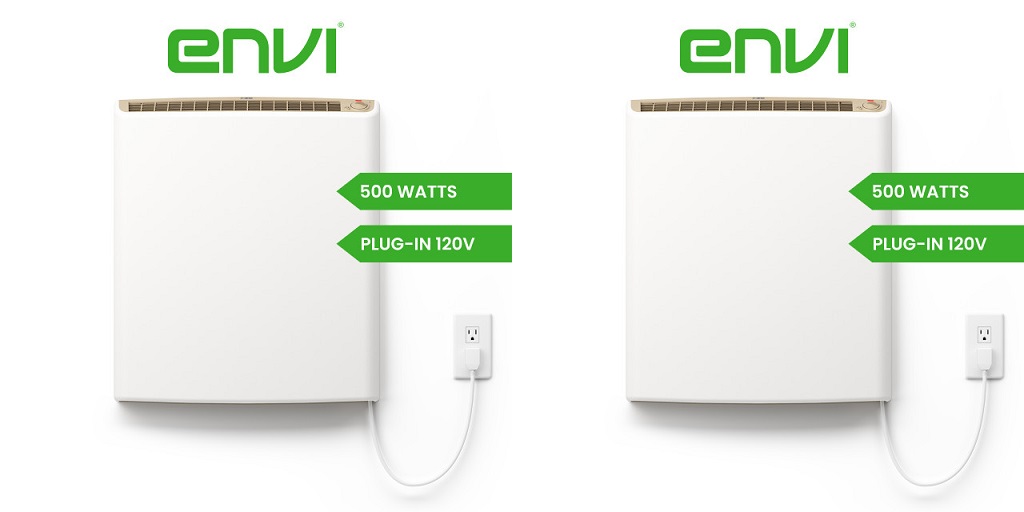
For homeowners looking for reliable and efficient heating solutions, modern wall mounted units like the Envi heater are an excellent option. To learn more about efficient home heating systems, visit eheat online.
