Mold spores are a normal part of the environment, and that’s what makes them so tricky to deal with. You don’t need visible mold growth for spores to be present in your home. In fact, most homes have at least some level of airborne mold spores at any given time.
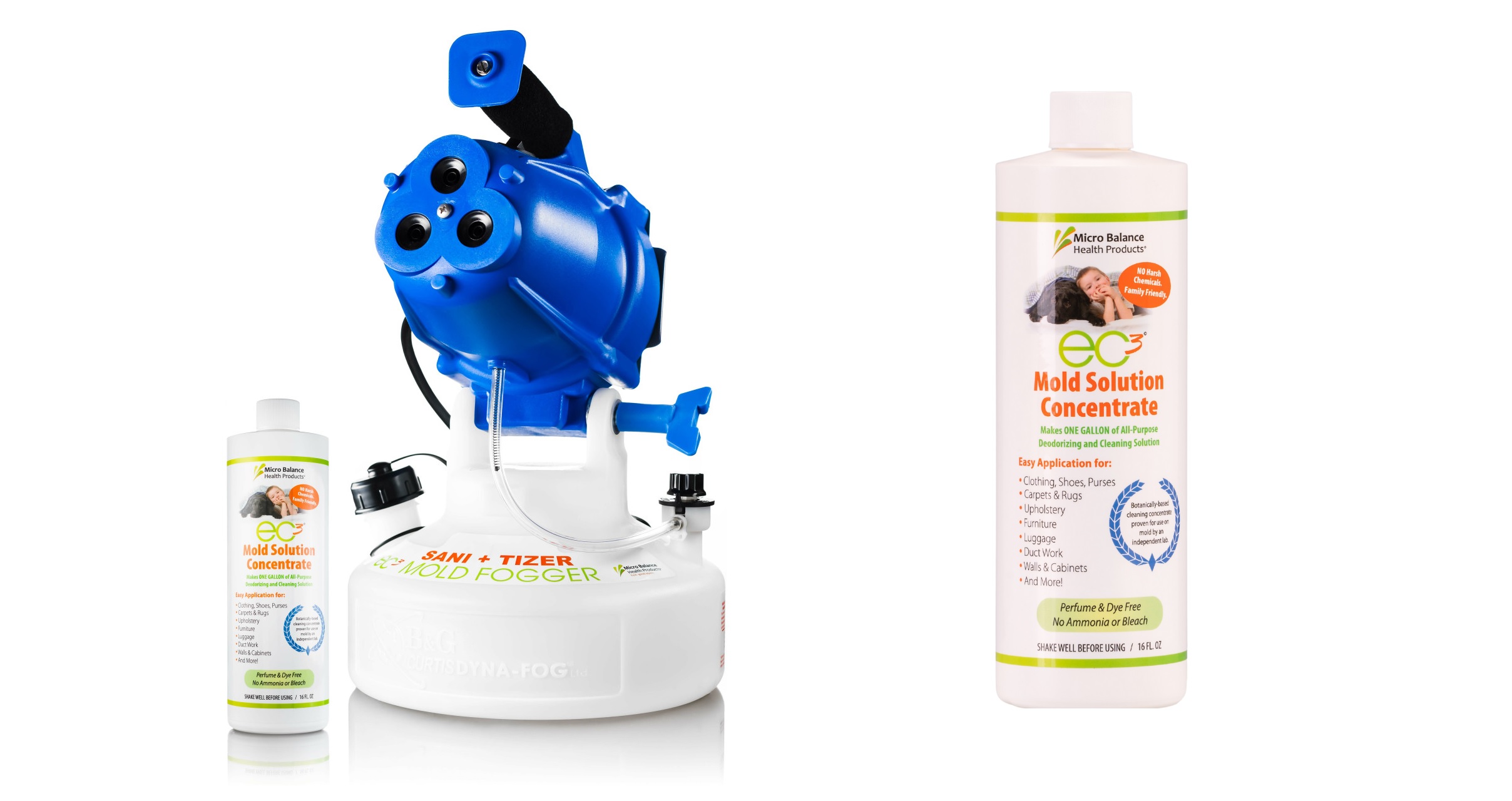
The issue isn’t their existence, but how easily they can accumulate indoors and what happens when exposure becomes ongoing. But there is a way to reduce the mold spores in your home, and that requires following a regular cleaning routine and using a mold fogger.
How Mold Spores Enter Your Home
Mold spores come in from outside through open doors and windows, hitch a ride on clothing, shoes, pets, and bags, and circulate through heating and cooling systems. Any time fresh air moves in, spores move with it.
Once indoors, they settle on surfaces and mix with household dust. If moisture is present, even briefly, those settled spores can begin to grow.
Water is also a factor, and it can come in different ways. Leaks, high humidity, condensation around windows, damp basements, bathrooms, laundry rooms, and kitchens all create favorable conditions. Even everyday activities like showering, cooking, or running a washing machine release moisture into the air.
When ventilation is poor, that moisture lingers long enough for spores to activate. Because spores are microscopic, you usually don’t know this is happening until there’s an odor, discoloration, or health symptoms.
How They Affect Your Health
When mold spores are inhaled, they can affect people in different ways depending on sensitivity, overall health, and the amount of exposure. For many, the first response is irritation. This can look like sneezing, coughing, nasal congestion, itchy eyes, or a scratchy throat.
For others, especially those with asthma, allergies, or existing lung conditions, the response can be more intense. Breathing may become difficult, wheezing can increase, and flare-ups may occur more frequently.
Some molds also produce secondary compounds under certain conditions. When inhaled along with spores, these compounds can travel deeper into the lungs and trigger inflammatory responses.
In people exposed to high levels over extended periods, this can contribute to fatigue, headaches, or a general feeling of being unwell. While not everyone reacts the same way, sensitive individuals often notice symptoms long before mold is visible.
Why You Need a Mold Fogger
Because spores are so small and easily airborne, cleaning only visible surfaces isn’t enough to control exposure. Using a mold fogger disperses a fine mist throughout a room, allowing treatment to reach places traditional cleaning methods miss. Airborne spores, dust particles, fabrics, furniture, and hard-to-reach surfaces can all be addressed at once.
Using the right mold solution in a fogger helps reduce the overall spore load in the air and on surfaces. While it doesn’t replace professional remediation when there is an active mold problem, it can be an effective tool for maintenance, prevention, and temporary relief.
Incorporating fogging into a regular cleaning routine can make a noticeable difference. When used periodically, it helps interrupt the cycle where spores settle, accumulate, and become airborne again through daily movement.
And when combined with moisture control, proper ventilation, and routine surface cleaning, fogging supports a cleaner indoor environment.
Reduction is The Goal in Mold Remediation
The goal isn’t sterility, but reduction. Lowering the number of spores circulating in your home reduces the chances of growth, and limits what you breathe in each day. For households managing sensitivities, allergies, or simply aiming for better air quality, a mold fogger can be a practical addition to an overall mold-prevention strategy.
You can’t completely get rid of mold spores, but you can manage your exposure and the level to which your home is receptive to mold. Managing them is about awareness, moisture control, and consistent maintenance. When those pieces work together, exposure drops, and the home becomes a healthier place to breathe.
For more information about Mold Detox Supplements and Homeopathic Remedies For Sinus Please visit: Micro Balance Health Products.