Foot fungus is stubborn. Even after the redness fades and the itching stops, fungal spores can remain hidden, especially in your shoes. They thrive in warm, dark, and damp environments, waiting for the right moment to flare up again. This is why many people who think they’ve “cured” their infection end up dealing with it all over again weeks later. The key isn’t just treating your skin; it’s breaking the reinfection cycle from the inside out.
The Hidden Source of Reinfection
Most people treat only what they see—redness between the toes, dry patches, or cracked heels—but the real problem often lies where you don’t look: inside your footwear. Studies have shown that fungi can survive for months on sock fibers, insoles, and shoe linings. When you put your foot back into an infected shoe, the spores latch onto the skin and begin to multiply again.
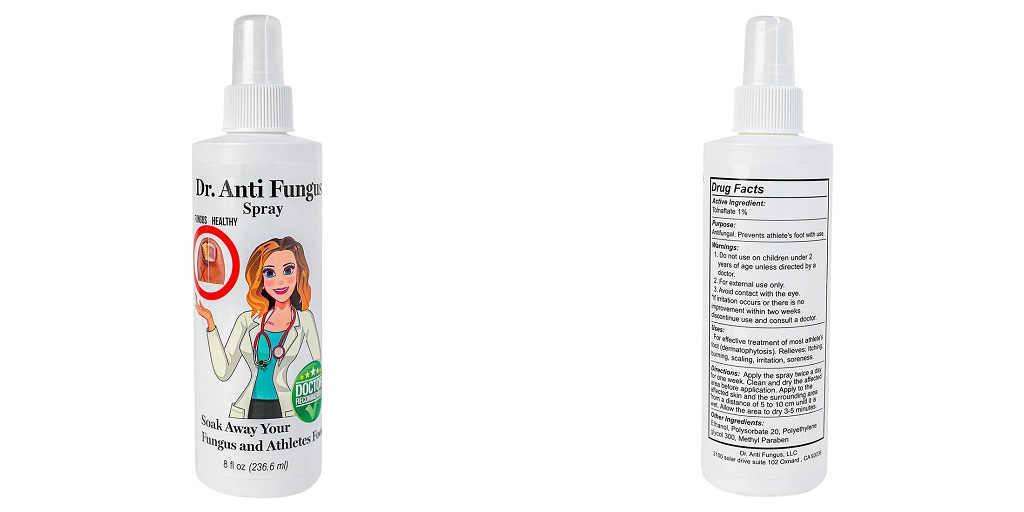
This is where an antifungal foot spray becomes essential. It targets not just the skin but also the surfaces that come into contact with your feet every day. Applying the spray inside your shoes can dramatically reduce the chance of reinfection, keeping your feet truly fungus-free.
Why Spraying Your Shoes Matters
Shoes trap heat and moisture, especially after prolonged wear. Synthetic materials and tight designs exacerbate the problem, creating the perfect breeding ground for fungus. Even if your skin is healing, every step inside a contaminated shoe can undo your progress.
Using an antifungal foot spray inside footwear kills residual spores that creams or powders can’t reach. It’s fast-drying, hygienic, and easy to apply—ideal for people who wear the same shoes daily. Whether you’re an athlete, a healthcare worker, or simply someone who spends all day on their feet, this simple routine can make a big difference.
To make it effective:
- Always spray both the inside and the insole of your shoes after wearing them.
- Let them dry overnight before putting them back on.
- Combine with clean, moisture-wicking socks to minimize humidity buildup.
Fungal Infections Beyond Athlete’s Foot
Many think of foot fungus as athlete’s foot alone, but there are several types of infections that start small and spread fast if ignored.
- Tinea pedis (athlete’s foot) begins between the toes and can cause scaling or blisters.
- Toenail fungus (onychomycosis) thickens and discolors the nail, making it brittle and difficult to treat.
- Ringworm on the foot looks like circular, red patches that spread outward over time.
These infections share one thing in common, they all thrive in moist environments and can transfer from surfaces like shower floors, gym mats, and shoes. Regular use of an antifungal foot spray helps control fungal growth before symptoms even appear, creating a protective barrier for your feet.
The Role of Daily Prevention
Treating a fungal infection takes time. Preventing one takes seconds. Making antifungal spray part of your daily hygiene routine is one of the simplest ways to stay protected. It works best when used consistently, before symptoms, after workouts, and whenever your feet feel damp or sweaty.
Here’s a simple daily habit worth following:
- Wash and dry your feet thoroughly, especially between the toes.
- Apply antifungal spray evenly over the skin and between toes.
- Lightly mist the inside of your shoes before and after wearing them.
This not only keeps fungus away but also reduces odor and irritation.
Keeping Feet Healthy for the Long Term
Foot fungus may seem minor, but left untreated or repeatedly reintroduced, it can cause thickened nails, painful cracks, and even bacterial infections. Prevention takes less effort than recovery, and that’s where antifungal foot spray provides ongoing defense.
Whether you’re treating an infection or preventing one, remember that fungus doesn’t disappear overnight. It hides where it can—inside shoes, socks, and damp environments. Treating both your skin and your footwear ensures it has nowhere left to grow.
For lasting protection and practical daily solutions, visit Dr. Anti Fungus online and learn more about proven antifungal options recommended by podiatrists.