
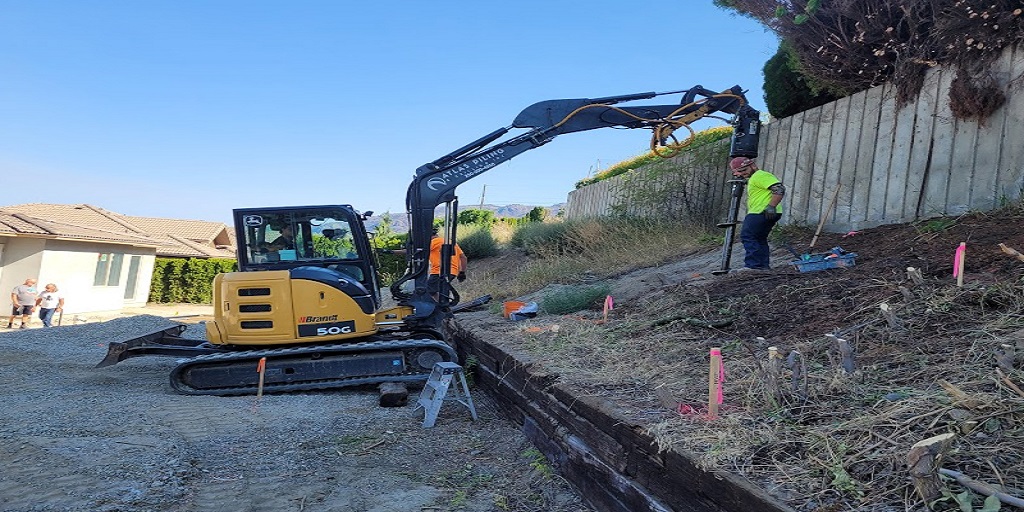
Sustainability has become a growing priority in construction, especially as projects seek ways to reduce material waste and environmental impact. Foundation systems are no exception. Among modern foundation solutions, the helical pile stands out not only for performance but also for its potential role in recycling and reuse. A common question arises during temporary or phased developments: can these foundation elements be removed and used again?
The Growing Demand for Reusable Foundation Systems
Construction projects today often involve temporary structures, modular buildings, or sites expected to evolve over time. In these scenarios, permanent concrete foundations may create unnecessary waste once a structure is dismantled. A helical pile offers a different approach, as it can often be extracted with minimal disturbance to the surrounding soil.
This reusability aligns well with sustainability goals, reducing the need for new raw materials while limiting site remediation work after project completion.
How Helical Piles Are Removed
Removal is typically achieved by reversing the original installation process. Using specialized equipment, torque is applied in the opposite direction, allowing the helical pile to be unscrewed from the ground. Because this method does not rely on curing or bonding like concrete, extraction is generally clean and efficient.
Soil conditions play an important role in successful removal. Stable soils that have not shifted significantly since installation tend to allow smoother extraction. In contrast, highly corrosive or compacted soils may require additional effort or make removal impractical.
Assessing Reusability After Extraction
Not every removed helical pile is automatically suitable for reuse. Each unit must be inspected for structural integrity, including shaft straightness, weld quality, and plate condition. Corrosion, bending, or excessive wear can affect performance if reinstalled.
Many piles, however, remain in excellent condition after serving their initial purpose. When properly assessed, they can be reinstalled in new locations, particularly for projects with similar load requirements. This inspection process ensures safety while maximizing the lifecycle value of the material.
Environmental Benefits of Reuse
Reusing a helical pile significantly reduces the demand for newly manufactured steel components. This translates into lower energy consumption and reduced emissions associated with production and transportation. Additionally, minimal soil disruption during removal helps preserve the natural composition of the site, avoiding extensive excavation or backfilling.
For environmentally conscious developments, these benefits contribute to greener construction practices without sacrificing structural reliability.
Cost Implications for Developers and Builders
From a financial standpoint, reuse can offer measurable savings. While removal and inspection involve some cost, these expenses are often lower than purchasing entirely new foundation components. Projects involving multiple phases or relocatable structures can benefit the most from this approach.
Storage and handling must be considered, as removed piles should be protected from damage or corrosion prior to reuse. With proper planning, the overall cost-efficiency of a reusable helical pile system becomes clear.
Limitations and Practical Considerations
Despite its advantages, reuse is not always feasible. Long-term installations exposed to aggressive soil conditions may experience corrosion that limits reuse potential. Changes in design loads or building codes may also require different pile specifications for future projects.
Careful planning during the initial design phase can improve the likelihood of reuse by selecting protective coatings and appropriate pile sizes from the start.
As the industry continues to prioritize adaptability and environmental responsibility, reusable foundation systems are likely to gain even greater attention.
For More Information About Commercial Piling Services and Piling Services Kelowna Please Visit: ATLAS PILING.
