
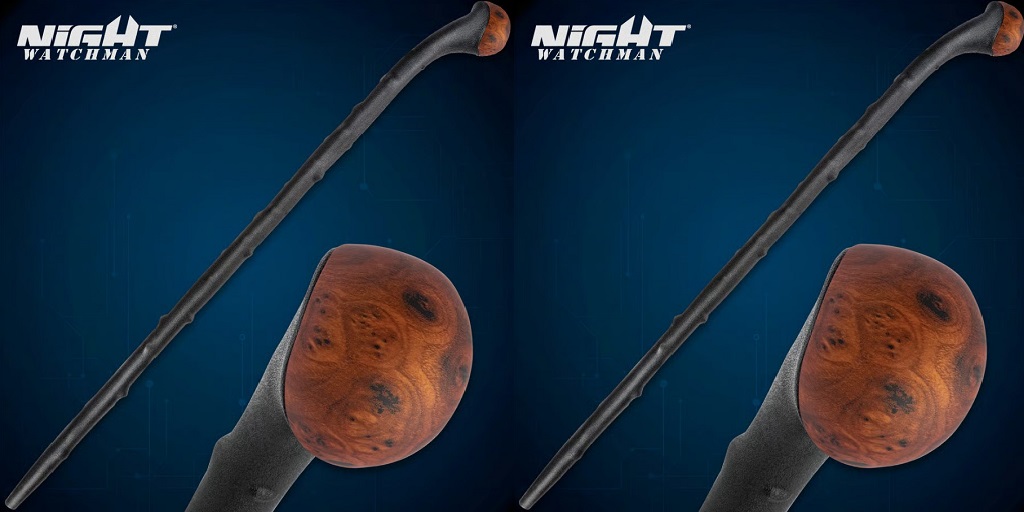
The shillelagh, a distinctive wooden club, has long been associated with Irish culture, resilience, and defiance. More than just a weapon, it carries deep historical significance, symbolizing both the fighting spirit and the heritage of the Irish people.
Its use in faction fights, self-defense, and as a disguised weapon during British rule has cemented its status as a powerful emblem of Irish courage. Furthermore, it has become an enduring fixture in popular culture, appearing in movies, military traditions, and even as a namesake for weaponry.
A Unique Irish Fighting Style
This Irish weapon is often seen as a simple walking stick, but it has a long history as a powerful and versatile weapon. While it lacks a unified martial arts system or extensive written records, its use has been passed down through generations by word of mouth and practical demonstration.
Unlike formalized European sword-fighting traditions, fighting with one of these weapons developed through family teachings, local customs, and the necessity of self-defense.
The Basics of Shillelagh Fighting
One of the unique aspects of using this stick as a weapon is the way it is gripped. Unlike a sword, which is typically held with one hand, this stick is often held with two hands near the middle, almost like a boxer’s stance but with a stick. This allows for rapid, controlled movements, enabling the wielder to strike quickly while keeping their guard up.
A strong stance is crucial when wielding one. Fighters often adopt a forward-leaning posture with their dominant leg in front, ensuring both stability and reach. Keeping the elbows tucked in is vital, as flaring them out exposes the ribs to counterattacks.
Striking Techniques: Power and Precision
Shillelagh strikes vary from quick jabs to powerful sweeping blows. A common and effective attack is the forward jab, similar to a boxer’s punch, used to create openings for follow-up strikes. A sweeping strike, delivered with the full force of the arms and shoulders, is particularly devastating, especially when aimed at the head or ribs.
Backhand strikes and downward blows also feature prominently in fighting. Some fighters incorporate lunging steps into their strikes, adding extra momentum to their attacks. The thorns left on some of these weapons can make even glancing blows more painful, and those with hollowed-out, lead-filled heads can easily break bones.
Defensive Moves: Parries and Counters
While offense is crucial, defense plays an equally important role in combat. Since the hands are often positioned near the middle of the stick, they are vulnerable targets. Skilled fighters remain aware of this, keeping their hands moving and avoiding unnecessary exposure.
Parrying an opponent’s strike involves using the walking stick to redirect incoming blows rather than absorbing them directly. Fighters may also use a sidestep to evade an attack while simultaneously preparing a counterstrike. Some practitioners raise a leg to block low strikes, an old trick that leaves them ready to retaliate instantly.
The Legacy of the Shillelagh as an Iconic Weapon
Unlike more refined European weapons like swords or rapiers, this fighting stick is a raw, practical tool for fighting. It is easy to carry, blends in as an everyday walking stick, and requires no specialized maintenance. This made it an ideal weapon for Irishmen under British rule, where carrying traditional weapons was outlawed.
In combat, the club functions as a mix between a club and a short staff, relying on speed, impact, and adaptability. The art of shillelagh fighting continues to thrive today among enthusiasts of historical combat, ensuring that this traditional weapon remains an enduring symbol of Irish resilience and skill.
From its roots in Irish history, this Irish weapon has remained a powerful symbol of resilience, pride, and defiance. Whether as a practical weapon or as a cultural emblem, it continues to hold a special place in the hearts of the Irish and those who appreciate their fighting spirit.
