
We’ve seen jobs slow down because the wrong support was chosen too early. That usually shows up midway through lifting, when alignment starts drifting, or pressure feels uneven. That’s where shoring jacks step in as the backbone of the operation, keeping everything steady while the real work happens.
If you’re working around structural moves, foundation repairs, or excavation shoring, you already know timing and control matter. The right setup keeps crews moving with confidence, and the wrong one tends to make itself known fast.
Why Shoring Jacks Carry the Job When Everything Else Is in Motion
When structures shift, even slightly, the entire load path changes. A jack placed just a few inches off or reacting too slowly can throw off the entire sequence. That’s why pairing hydraulic shoring with synchronized lifting systems matters, especially when working across multiple load points.
You’ll also see this in excavation shoring. Soil conditions change fast, and trench jacks or adjustable props need to respond without hesitation. Crews working below grade depend on that support staying locked in place, not creeping or shifting under pressure.
Midway through most projects, the connection becomes clear. Heavy lifting jacks handle the movement, but shoring systems keep everything stable between those movements. That balance is what keeps operations controlled instead of reactive.
Types of Shoring Jacks and Which One Actually Fits the Work
Not every job calls for the same setup. Some crews lean toward speed, others toward precision, and most need a mix depending on the phase of the project. Choosing the right shoring jacks comes down to how the load behaves and how often adjustments are needed. Hydraulic shoring is the go to when you need controlled force and quick response. These systems connect to power packs, allowing operators to manage pressure across multiple jacks at once. That’s especially useful for building movers handling large structures where even lift matters across every point.
Screw jacks take a slower, more manual approach. They’re reliable for holding loads in place once positioning is set. You’ll often see them used as backup support or in situations where fine adjustments are needed without relying on hydraulic pressure.
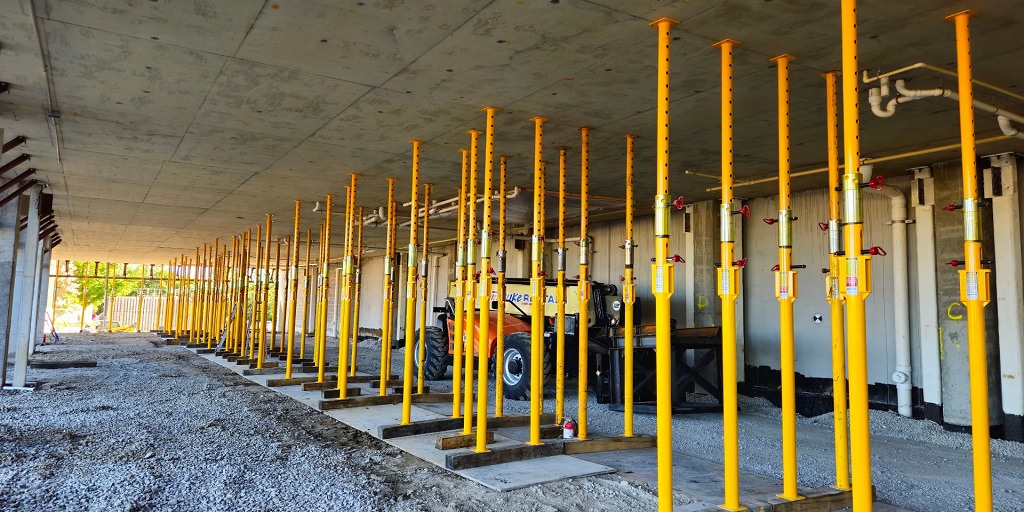
Adjustable props sit somewhere in between. They’re common in temporary support setups, especially in excavation shoring or interior structural work. Crews like them because they’re quick to install and easy to reposition, though they’re not built for the same load capacity as heavy lifting jacks. Mid project, most teams end up using a combination. Hydraulic systems handle the lift, while screw jacks or adjustable props maintain position. That layering of support keeps everything stable while allowing room for adjustment when conditions shift.
Getting More Done With Advanced Shoring Jack Systems Without Slowing the Crew
Efficiency shows up in how smoothly everything works together. Advanced shoring jacks systems are built to integrate with lifting equipment, not compete with it.
Synchronized hydraulic systems allow crews to lift and support at the same time, keeping pressure balanced across all points. That reduces the need for constant corrections and keeps the structure aligned as it moves. You’ll notice the difference right away when the lift feels steady instead of staggered.
There’s also the role of monitoring and control. Modern setups let operators track pressure levels and adjust in real time, which matters when working with unpredictable loads. In excavation shoring, that level of control helps maintain safety without slowing progress.
Then there’s setup itself. A well planned shoring system reduces the need for rework. Crews spend less time adjusting supports and more time moving forward. It sounds simple, but it’s usually the difference between finishing on schedule or chasing delays.
Where It All Lands When You’re Choosing Shoring Jacks for Real Work
Choosing shoring jacks comes down to understanding how your load behaves and how your crew works through each phase. Some jobs need the responsiveness of hydraulic shoring, others benefit from the stability of screw jacks or the flexibility of adjustable props.
Buckingham Structural Moving Equipment focuses on shoring solutions that support your crew the way you actually work. Reach out to learn more about our shoring systems, request a quote, or connect with someone who can walk through your setup with you.
For more information about House Lifting Jacks and General Purpose Jacks Manufacturer Please visit: Buckingham Structural Moving Equipment, LLC.
