
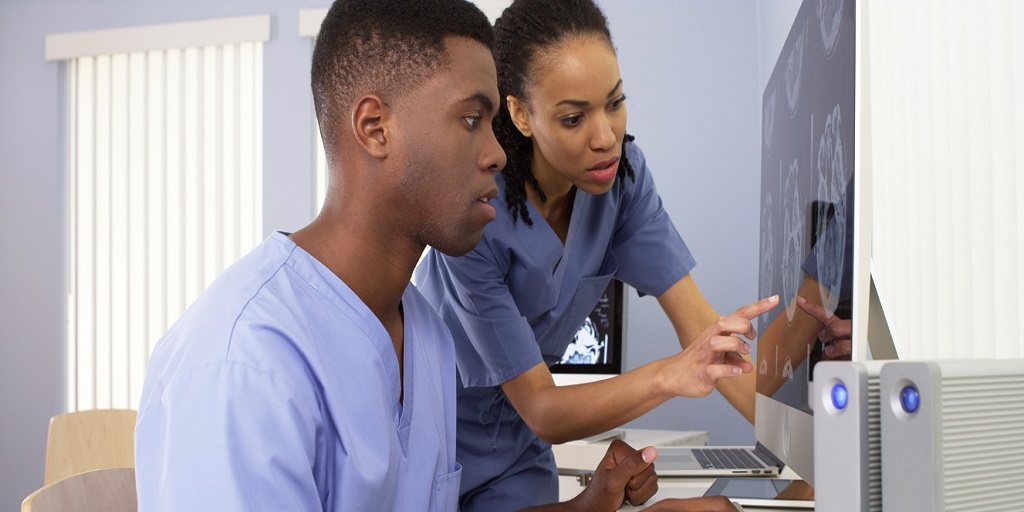
Clinical nursing education has a crucial role in preparing future nurses for the realities of healthcare environments. No doubt classroom instruction builds theoretical understanding; nevertheless, clinical training introduces students to the practical and human aspects of patient care. While healthcare systems are continuously evolving, nursing education must also adapt to changing expectations, technologies, and workforce demands. This creates both challenges and opportunities for institutions, educators, and students seeking to develop skilled and compassionate nursing professionals.
Adapting to Changing Healthcare Demands
Modern healthcare settings are turning very complex today. Nurses have to manage patient care, communicate with multidisciplinary teams, understand medical technologies, and respond effectively to diverse clinical situations. Clinical nursing education has to keep pace with these expanding responsibilities.
Now, educational programs are facing the impending need to prepare students for environments that require technical competence as well as emotional intelligence. This means moving beyond memorization to promote deeper understanding, problem solving, and professional adaptability.
Balancing Theory and Practical Experience
A crucial challenge in clinical nursing education lies in balancing academic learning with hands on experience. Nursing students may excel in theoretical coursework, but might still feel uncertain when they have to apply knowledge in real patient settings.
Clinical placements provide essential opportunities to bridge this gap. Under supervision, students learn how to assess patients, communicate professionally, and make informed decisions in real time. However, securing sufficient and meaningful clinical experiences is not that easy due to the growing student enrolment and limited placement availability.
Educational institutions continue searching for effective ways to maintain strong clinical exposure while also ensuring quality learning experiences.
The Growing Role of Technology
Within the realms of clinical nursing education, technology presents both a challenge and an opportunity. Healthcare facilities have to increasingly depend on electronic records, monitoring systems, and advanced medical equipment. Therefore, nursing programs must ensure that students become comfortable with these tools before they enter professional practice.
We see that simulation laboratories have emerged as a valuable educational resource. These controlled environments make it possible for students to practice procedures, respond to emergencies, and develop confidence without placing patients at risk. Simulation training can strengthen clinical judgment and encourage learning through repetition and guided feedback.
At the same time, educators must take the right steps to balance technological learning with the development of interpersonal skills, which are an essential part of patient care.
Addressing Workforce and Faculty Challenges
The growing demand for nurses is an important reason why there is an additional pressure on educational systems. Many regions face nursing shortages while also experiencing challenges regarding faculty recruitment and training resources.
Qualified nursing educators have an important role in shaping future professionals. Limited faculty availability might affect class sizes, mentorship opportunities, and clinical supervision. To address these issues effectively, it is important to encourage investment in nursing education and ongoing support for instructors who guide student development.
Take Away
Alongside modern healthcare, clinical nursing education continues to evolve. Challenges like placement limitations, technological demands, and workforce pressures require thoughtful solutions and educational flexibility. At the same time, these changes open new opportunities to improve training and strengthen nursing preparation. By balancing practical experience, technology, and compassionate care, clinical nursing education can develop capable professionals, who are ready to meet the needs of patients and healthcare systems alike.
For more information about Practical Nursing Program and Accelerated Nursing Courses Florida Please visit: Sovereign School of Nursing.
