
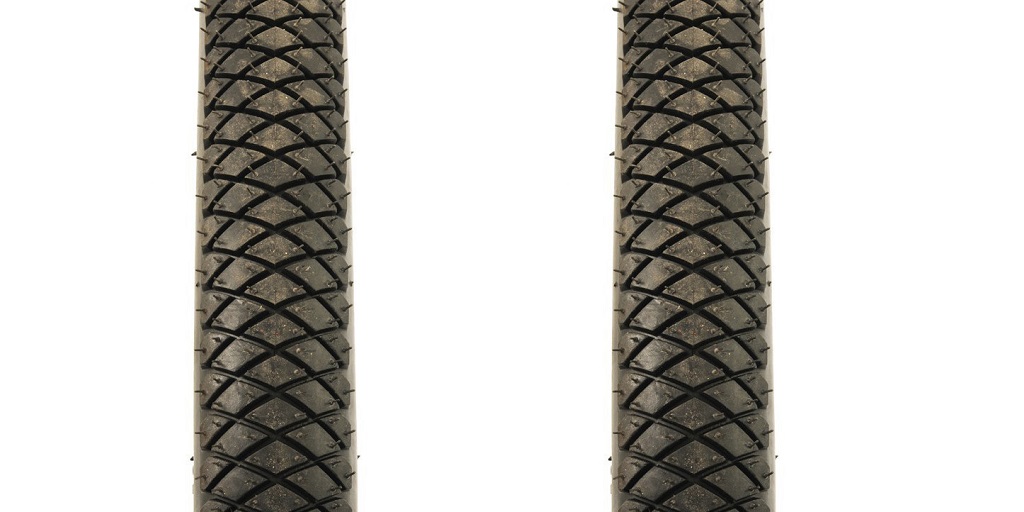
The largest unicycles have 36 inch tires, and these are also the fastest on the road. They are, however, harder to get moving, and harder to control, than single wheel cycles with smaller tires.
That’s where a niche alternative comes in. unicycles with 32 inch tires may not be quite as in vogue as those with larger or smaller tires, but they certainly have dedicated adherents that appreciate them for their own unique virtues.
So let’s put the two head-to-head.
The Balance Between Speed and Handling
It has been said that unicycles with 36 inch tires handle like Mack trucks, and there is some virtue to this. The larger tire carries more rotational momentum, which means it is easier to keep going at speed, but it also means it is hard to get going, and hard to stop.
Moreover, the larger tire creates a larger turning radius and results in a unicycle that just does not handle nimbly.
You get a faster unicycle, but one that is not very maneuverable or agile.
With a unicycle with 32 inch tires, you get nearly the same top speed as one with 36 inch tires, and one that also carries reasonable rotational momentum to keep the wheel going, but one which nonetheless handles much, much better.
In fact, unicycles with 32 inch tires handle almost the same as those with 29 and even 27.5 inch tires, all while being able to attain a considerably higher top speed.
Where 32 Inch Tires Win
There are several key selling points of unicycles with 32 inch tires.
One is that they are fast. Not quite as fast as a 36, but very close, and considerably faster than the next largest in line.
The other is handling. They handle much better than unicycles with 36 inch tires, a lot like those that are just a bit smaller.
So you get versatility. They’re fast and nimble; you won’t necessarily want to go Muni riding with one, but if it’s for commuting or racing, you could do a lot worse.
The 36 Inch Advantage
There is one thing that unicycles with 36 inch tires offer, and it’s speed. This comes at the price of handling and agility.
If your only goal is to get a unicycle that is fast, for commuting or racing, and you can deal with the fact that it will handle like a boat, then the 36 is better than the 32 for your purposes.
Both Good for Commuting
At the end of the day, both unicycles with 36 inch tires and 32 inch tires are good for commuting and racing. The former is better just in terms of sheer speed, but the latter offers a solid balance.
Either can be a good option. It’s really just a matter of what you are looking for in the bargain.
Which Is for You?
Not sure whether you should get a unicycle with 36 or 32 inch tires, or even one in a smaller size?
Visit Unicycle.com or contact their customer service representatives directly. You can let them know what you’re looking for and they’ll make specific recommendations based on what your requirements are.
