
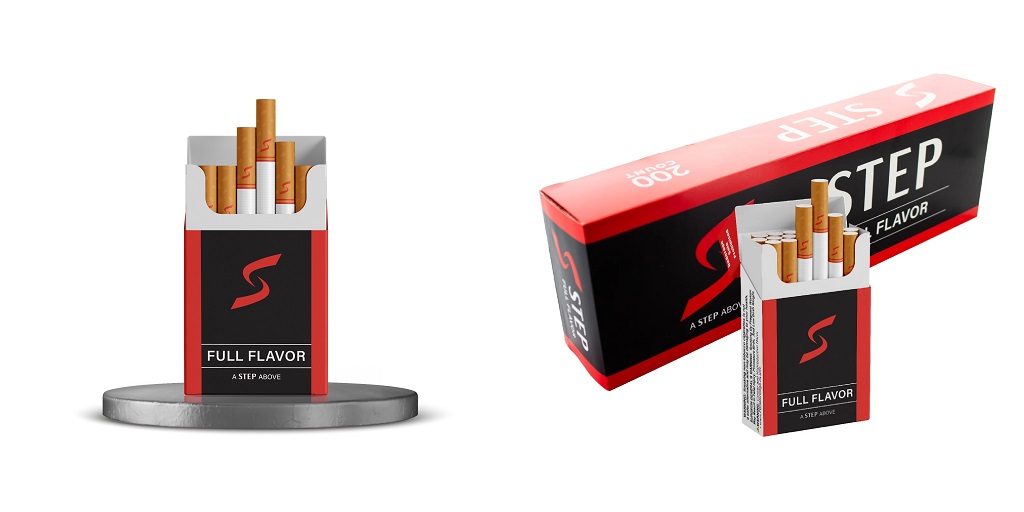
Quitting smoking involves nicotine dependence, daily routines, and familiar physical habits. For some people, menthol herbal cigarettes can provide a tobacco-free option that resembles parts of the traditional smoking experience. Understanding their ingredients, purpose, and limitations can help you decide how they might fit into your personal approach to quitting.
Why Smoking Habits Can Be Difficult to Change
Nicotine dependence is one part of smoking. The behavioral routine can also become deeply familiar. Lighting a cigarette, holding it between your fingers, inhaling, and taking breaks can form predictable patterns.
These actions may become connected to specific moments. You might associate smoking with coffee, driving, socializing, work breaks, or stressful situations.
Removing nicotine addresses the chemical component of dependence. Changing the physical routine may require a different strategy. A tobacco-free cigarette can provide a familiar activity while you work on changing established smoking patterns.
How Herbal Cigarettes Differ From Traditional Cigarettes
Herbal cigarettes use plant-based ingredients instead of tobacco. Depending on the product, the blend can include leaves, herbs, and other botanicals.
A nicotine-free formula eliminates the nicotine source found in conventional cigarettes. Some products also exclude tobacco, hemp, THC, and CBD.
For someone trying to quit, ingredient labels deserve close attention. Checking the package can clarify exactly what a product contains and which substances are absent.
Flavor can also influence the experience. Menthol creates a cool sensation that many smokers recognize from traditional menthol cigarettes. That familiar profile may make the transition feel more recognizable for some people.
Using a Substitute During a Quit-Smoking Plan
A substitute can address specific moments when the urge to perform the smoking routine appears. For example, you might use a tobacco-free cigarette during a planned break while replacing other smoking triggers with different activities.
You could pair your quit-smoking plan with walking, drinking water, chewing gum, or practicing slow breathing. These habits can give you additional ways to respond when cravings appear.
It helps to identify your strongest smoking triggers before making changes. Write down when you usually smoke and what typically happens immediately beforehand. This simple record can reveal patterns that you can address individually.
Know What Nicotine-Free Means
A nicotine-free cigarette contains no nicotine, but that does not make smoking harmless. Burning and inhaling plant material can still produce smoke and potentially harmful substances.
Herbal cigarettes should therefore be viewed separately from medically approved smoking-cessation treatments. If nicotine cravings are difficult to manage, speak with a healthcare professional about established options, including nicotine replacement therapy and prescription medications.
You can also discuss behavioral counseling or other cessation resources. Combining practical support with a structured quit plan can make the process easier to manage.
Making Your Quit-Smoking Routine Personal
Every smoking habit has different triggers. Your approach can focus on the situations that create the strongest urges.
Start by setting a clear quit date or reduction plan. Remove cigarettes and related supplies from places where you normally keep them. Prepare alternatives for common triggers before they occur.
If you use a tobacco-free herbal cigarette as part of your routine, keep its role clearly defined. The goal can be to change your relationship with tobacco and nicotine while gradually developing healthier routines.
Learn More About Tobacco-Free Alternatives
If you are exploring a tobacco-free, nicotine-free cigarette option, Step™ Cigarettes offers products made with a proprietary blend of taro leaves and botanicals. The cigarettes contain 0% tobacco and 0% nicotine, with red full flavor, blue lights, and green cool menthol options. Learn more about the ingredients and product formulation before deciding whether this type of substitute fits your quit-smoking plan.
