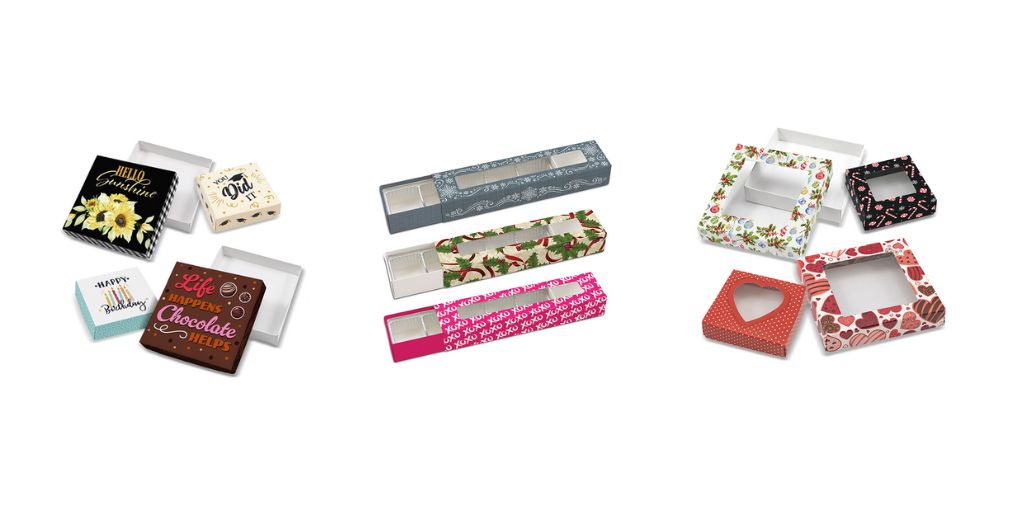
For bakeries and treat businesses, Valentine’s Day means high demand for quick, personal gifts. The simple candy box exterior hides the operational rush. Innovative packaging is essential for managing this busy period efficiently.
Below is a look at how bakeries choose the proper packaging for the season, and why the correct Valentine candy box quietly supports product quality, display appeal, and workflow.
1. Understanding What Treats Need Rigid Boxes
Some items simply need structure. Truffles, hand-decorated bonbons, and delicate chocolate bark can chip or flatten when packaged in flexible materials. A rigid box prevents crushing, holds its shape through transport, and instantly feels more premium to customers.
Bakeries offering chocolate-dipped strawberries also rely on rigid options because condensation or shifting can ruin presentation fast. When the treat itself is considered a “special occasion” item, a structured Valentine candy box is one of the easiest ways to protect the product and justify a higher price point.
2. When a Window Box Is Better Than a Closed Lid
Certain products sell best when customers can see them. Decorated sugar cookies, pink macarons, and chocolate assortments benefit from visibility—especially when impulse buyers are browsing shelves.
A window box helps shoppers make an instant decision. The preview becomes part of the charm, especially for Valentine’s Day, when color plays a huge role. Pastel pink frosting, red velvet crumbs, gold drizzles—these details do a lot of the selling on their own.
Closed-lid boxes still have their place, but when presentation is one of your product’s strengths, a windowed Valentine candy box quietly increases conversions.
3. Matching Product Weight With Box Durability
Nothing derails a Valentine’s order like a box bowing at the bottom. Fudge squares, caramel clusters, and larger truffle assortments all carry more weight than expected. Light cardboard works for cookies, but dense sweets require something sturdier.
Durability ensures structural integrity and alignment. The correct board weight keeps tiered layers or chocolate grids looking perfect until unpacked.
4. Why Heart Boxes Sell Better for Premium Lines
Heart shapes work for a reason. Shoppers reach for them without thinking because the silhouette already does half the storytelling. Heart-shaped Valentine candy boxes make premium chocolate, rose pastries, or upscale gift sets feel more intentional.
These boxes instantly elevate the unboxing moment. They feel like keepsakes rather than single-use packaging, which makes them an easy upsell for high-end treats.
5. When to Use Sliders for Bulk or Multiple Cookie Stacks
Sliders are surprisingly efficient. Bakeries use them when customers order multiples—stacked cookies, brownie bars, dipped pretzel rods. The sliding motion keeps items snug, especially when you’re packing orders fast during the Valentine rush.
They also photograph well, which helps with social posts and preorder announcements. Clean edges, modern shape, and quick assembly make sliders a quiet favorite among small shops.
6. How Seasonal Prints Help Smaller Bakeries Stand Out
Red foil hearts, subtle patterns, blush-tone stripes—seasonal prints help differentiate handmade goods from grocery-store items. For small bakeries without custom-printed packaging budgets, themed Valentine boxes become the branding.
Customers notice the difference immediately. It shows intention, care, and seasonal excitement without extra labor.
7. Storage Considerations During Peak Season
Valentine’s week usually means limited counter space and a backroom filled with ingredients. Boxes that store flat, stack neatly, or assemble quickly will save headaches.
Rigid boxes need more shelf room, while window boxes often come in collapsible flat-pack options. Choosing packaging ahead of time helps streamline prep so your team isn’t scrambling between batches.
8. Balancing Aesthetics With Cost per Unit
Every bakery feels this: you want packaging that supports your brand without eating into profit margins. Rigid boxes cost more but elevate the product. Window boxes hit a sweet spot between beauty and practicality. Sliders are efficient for volume orders.
The key is mixing different types to suit different menu items—premium boxes for signature treats, more affordable options for bulk orders. That mix keeps your Valentine candy box strategy sustainable year after year.
For bakeries preparing for the February rush, choosing the right packaging makes all the difference. If you’re planning your seasonal lineup, you can explore more Valentine and occasional box options at ASpecialtyBox.com.
For more information about Pastry Boxes and Heart Box Shaped Please Visit : A Specialty Box.