If you suspect mold might be hiding in your home, it’s time to channel your inner detective. Mold problems can go unnoticed for quite some time, especially in dry climates where people may not expect them.
But with some careful observation, swift action, and a few tools such as a mold detection kit, you can track down potential mold before it harms your health or home.
Know How Fast Mold Can Spread
First, understand how fast mold can take hold. It only takes 48 hours for mold to grow after a water leak occurs. That means if you spot a leak on a Tuesday, you shouldn’t wait until Saturday to deal with it.
If you want to truly channel your home detective skills, your job is to act quickly. Inspect ceilings, under sinks, behind appliances, and anywhere water might leak or accumulate. Even a small drip in a pipe behind the wall can become a serious issue if ignored.
Use All Your Senses
Once you’ve ruled out (or identified) obvious leaks, the next step is using your senses. Mold often gives off a musty odor, something like wet socks or old paper. If you walk into a room and it smells earthy or stale even after cleaning, your nose might be pointing to hidden mold.
Also, pay attention to physical symptoms like sneezing, coughing, or worsening asthma while indoors—these could be your body’s way of warning you about poor air quality due to mold.
Visually, mold isn’t always what people expect. While black spots are a red flag, mold often has a three-dimensional or fluffy texture, unlike soot, which is flat and powdery. Don’t be fooled by color alone—mold can also appear green, white, or brown.
Check walls, baseboards, and especially drywall for unusual spots or growth. If mold appears on porous materials like drywall, it’s more serious. These materials can’t just be scrubbed clean—removal and replacement may be necessary.
Use the Right Tools
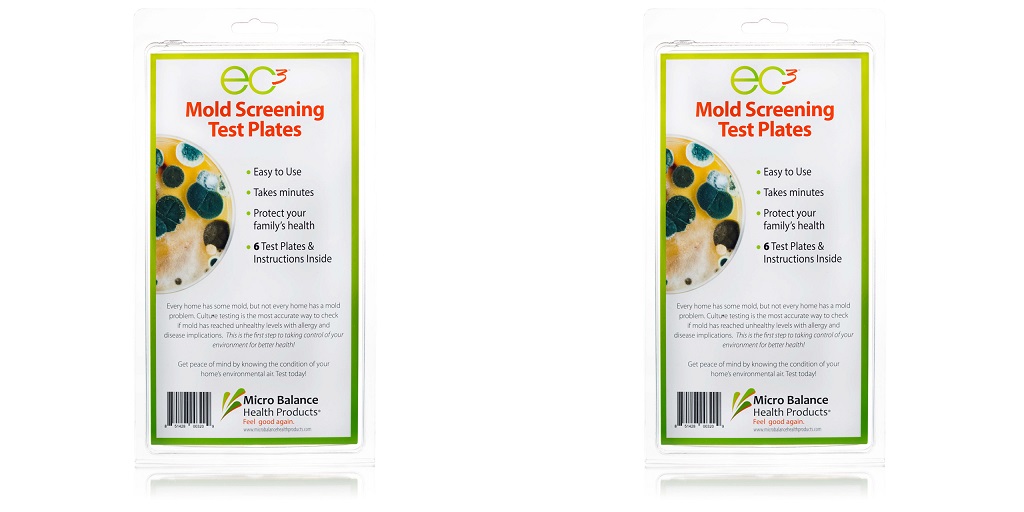
Now, a good detective knows when to bring in backup. If you do not find any signs, you know you need science to back you up. Get a mold detection kit that you can use at home. These kits contain detailed instructions on how to test for mold on specific items or surfaces. They only take a few minutes, and your results will be ready in just five days.
But if you find suspicious mold in areas like drywall or insulation, it’s wise to document it, especially if you’re a renter or considering buying a home. Professional mold testing might be necessary in such cases, not just to confirm the type but also to provide evidence for insurance claims or landlord responsibilities.
For renters, documentation is key. If you find mold, notify your landlord in writing and give them a clear timeframe—typically five days—to take action. Landlords are usually responsible for maintaining a healthy living environment, so keeping written records is critical if the issue escalates.
In the meantime, you can take steps to improve indoor conditions. Keep your indoor humidity between 35% and 40% using a dehumidifier, especially in warm or humid climates. This makes it harder for mold to grow in the first place.
Clean visible mold on non-porous surfaces like tile using mild detergent, but know when you’re dealing with something more serious that requires professional help.
Finally, stay alert. Mold is sneaky—it often hides behind walls, under carpets, or around poorly ventilated areas. By thinking like a detective, trusting your instincts, and responding quickly to signs, you can prevent a minor mold issue from becoming a major health hazard.