Historical buildings are a testament to architectural craftsmanship, cultural heritage, and community identity. However, as these structures age, they face significant challenges, including foundation instability, shifting soils, and the effects of time. Retrofitting these treasured landmarks requires a delicate balance between preservation and modernization. One of the most effective and minimally invasive methods to reinforce aging foundations is the use of helical pile solutions.
The Challenge of Retrofitting Heritage Structures
Many historical buildings were constructed with foundation techniques that are no longer suitable for today’s environmental and structural demands. Traditional masonry footings, timber piles, or shallow foundations may have been sufficient at the time of construction, but modern engineering standards highlight their vulnerabilities. Soil movement, erosion, and changes in groundwater levels can all contribute to foundation failure, threatening the stability and longevity of these structures.
Retrofitting heritage buildings presents unique challenges:
- Preservation regulations. Many historical buildings are protected by heritage laws, limiting the extent and type of modifications that can be made.
- Limited accessibility. Heritage sites often have restricted access, making large-scale excavation or disruptive foundation work impractical.
- Structural sensitivity. Older materials such as brick, stone, or timber require careful handling to avoid further damage during renovations.
Why Helical Pile Solutions are Ideal for Heritage Retrofitting
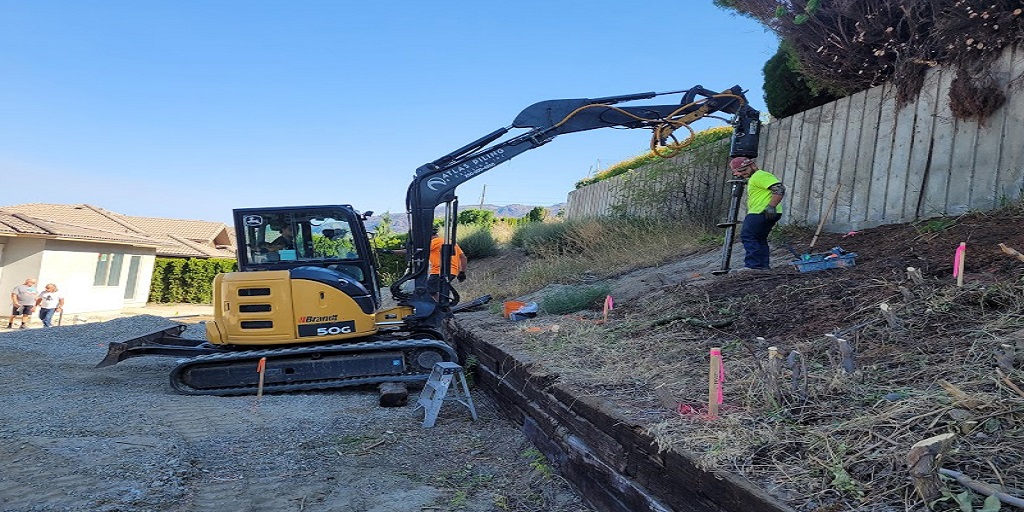
Helical piles are deep foundation elements that resemble large screws, which are drilled into the ground to provide structural support. This technique offers multiple advantages when retrofitting historical buildings:
- Minimal disturbance. Unlike traditional underpinning methods that require extensive excavation, helical piles can be installed with minimal site disruption. This is essential for preserving historical landscapes and surrounding structures.
- Versatile installation. Helical piles can be installed in confined spaces using compact, lightweight equipment. This makes them ideal for projects where access is limited, such as in dense urban areas or protected heritage sites.
- Load-bearing capacity. Modern helical pile solutions are engineered to support substantial loads, ensuring long-term stability for historical buildings without altering their original design.
- Non-intrusive method. Because helical piles are drilled rather than hammered or driven, they generate minimal vibration, reducing the risk of damage to fragile structures.
- Adaptability to soil conditions. Helical piles can be customized for different soil conditions, whether dealing with loose sands, clay, or bedrock. This flexibility ensures they provide the necessary support regardless of the geological makeup.
Applications of Helical Piles in Heritage Conservation
Helical piles have been successfully used in numerous historical building retrofit projects. Some common applications include:
- Foundation stabilization. When the existing foundation is failing due to soil movement, helical piles provide additional support and prevent further settlement.
- Structural reinforcement. Heritage structures requiring additional load capacity due to renovations or adaptive reuse projects can benefit from the added support of helical piles.
- Seismic upgrades. In regions prone to seismic activity, helical piles enhance the resilience of older buildings by improving ground anchorage and reducing the risk of collapse.
- Emergency repairs. In cases where historical sites are at immediate risk of structural failure, helical piles can be quickly deployed to stabilize foundations before further restoration work is carried out.
Looking Ahead: Modernizing Without Compromising
As cities grow and infrastructure modernizes, preserving historical structures becomes increasingly important. Communities and developers must work together to find solutions that maintain the integrity of heritage buildings while ensuring they meet modern safety standards. Helical pile solutions provide an innovative approach that respects the past while embracing the future.
By leveraging these advanced foundation techniques, historical sites can be stabilized for future generations without compromising their architectural and cultural significance.