Running a restaurant means juggling many responsibilities, and one of the most important is ensuring that your water quality meets local health code regulations. From food preparation to beverage service and dishwashing, water is an essential component of daily operations.
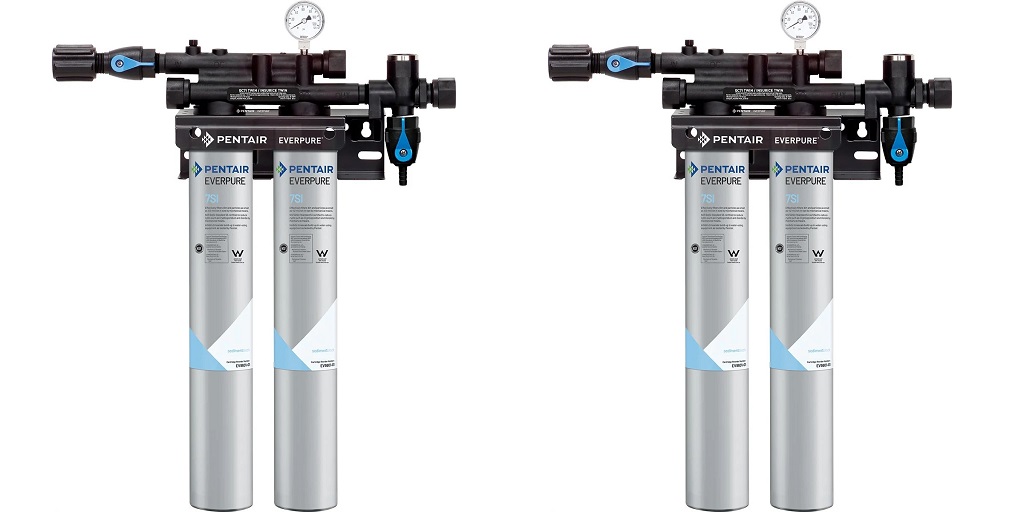
Commercial water filters for restaurants not only improve water quality but also help businesses maintain compliance with strict health and safety standards. In many cases, having the right water filter with proper certifications can even help your restaurant avoid costly boil water orders.
Why Water Quality Matters for Restaurants
Restaurants use water for a variety of essential tasks, including:
- Cooking and food preparation
- Coffee, tea, and fountain drink dispensers
- Ice machines
Health departments require restaurants to provide clean and safe water for all these purposes. Contaminated water can lead to foodborne illnesses, customer complaints, and potential shutdowns due to non-compliance. Implementing a high-quality commercial water filter for your restaurant is serving the safest water possible.
Meeting Health Code Requirements with a Water Filter
Health regulations vary by location, but most restaurant owners must adhere to guidelines set by local, state, and federal agencies such as the Environmental Protection Agency (EPA) and the Food and Drug Administration (FDA). Here’s how commercial water filters for restaurants help maintain compliance:
1. Removes Harmful Contaminants
Health codes require restaurants to provide potable water free from harmful contaminants like chlorine, lead, bacteria, and sediment. A commercial water filtration system removes these impurities, ensuring the water used in cooking and beverages meets regulatory standards.
2. Prevents Waterborne Illnesses
Unfiltered water may contain bacteria, viruses, or parasites that can lead to illnesses such as E. coli or Legionnaires’ disease. Installing a water filter with NSF/ANSI certifications ensures your system is capable of reducing pathogens, keeping customers and employees safe.
3. Protects Ice Machines and Beverage Dispensers
Health codes also apply to ice machines and soda dispensers, which can become breeding grounds for bacteria and mold if water quality is poor. Filtration prevents scale buildup, improves taste, and ensures these machines remain sanitary.
4. Reduces Chlorine and Other Chemicals
Municipal water systems often add chlorine and chloramine to disinfect water, but excessive levels can create an unpleasant taste and odor in drinking water and prepared foods. A commercial water filter removes these chemicals, resulting in better-tasting beverages and meals that meet customer expectations.
5. Helps Avoid Boil Water Orders
One of the biggest advantages of having a commercial water filter is protection against unexpected boil water advisories. When local water supplies become contaminated due to issues like pipe breaks or water treatment failures, health departments issue boil water notices requiring businesses to either boil water before use or shut down entirely. Restaurants that have water filtration systems with NSF-certified microbial reduction can often continue operating without disruption, as their filters remove bacteria and other contaminants effectively.
Choosing the Right Commercial Water Filtration System
To ensure compliance with health codes and avoid water-related issues, it’s important to choose the right filtration system. Here are key factors to consider:
Look for NSF/ANSI Certifications
A water filter should meet NSF/ANSI standards for:
- NSF 42 – Reduction of chlorine, taste, and odor
- NSF 53 – Removal of lead, cysts, and other health-related contaminants
- NSF 55 – UV purification for bacterial reduction
- NSF 58 – Reverse osmosis systems for comprehensive filtration
- NSF 61 – Ensures materials in the filter do not leach harmful chemicals into water
Consider the Type of Filtration System
- Carbon Filters – Great for removing chlorine, bad taste, and odors.
- Reverse Osmosis (RO) Systems – Ideal for eliminating heavy metals and dissolved solids.
- UV Purification – Best for neutralizing bacteria and viruses.
- Sediment Filters – Essential for removing dirt and debris from municipal or well water.
A commercial water filter for restaurants is not just a luxury – it’s a necessity for meeting health code requirements and ensuring the safety of your customers. By investing in a filtration system with the right certifications, restaurant owners can avoid contamination issues, improve the taste of food and drinks, and even prevent disruptions caused by boil water advisories. Staying proactive about water quality is one of the simplest ways to ensure compliance and keep your business running smoothly.