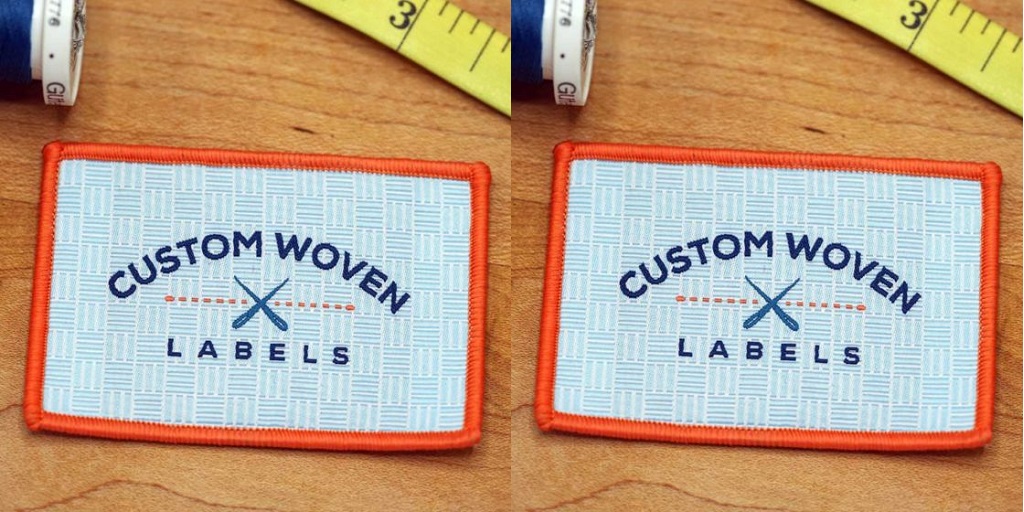
Custom embroidered patches are a versatile and stylish way to personalize clothing, bags, uniforms, and accessories. They allow individuals and organizations to showcase logos, designs, or personal flair. Once you have a custom embroidered patch, the next step is applying it correctly.
There are several methods for attaching patches, each with its own advantages. The three most common options are iron-on, sew-on, and Velcro. Understanding these methods will help you choose the right one for your project and ensure your patch looks great and stays in place.
Iron-On Patches
Iron-on patches are one of the easiest and fastest ways to apply a custom embroidered patch. They come with a heat-activated adhesive backing that melts and bonds with fabric when heated. This method is especially popular for casual clothing like t-shirts, jackets, and hats.
To apply an iron-on patch, start by setting your iron to the temperature recommended by the patch manufacturer. Place the patch in the desired position on the fabric. Cover the patch with a thin cloth or a piece of parchment paper to protect the embroidery from direct heat. Press the iron firmly over the patch for the amount of time specified by the instructions, usually around 20 to 30 seconds. Allow the patch to cool completely. After cooling, check the edges to make sure they are fully adhered. If needed, apply additional heat to areas that may not have stuck properly.
Iron-on patches are convenient, but they are best suited for fabrics that can tolerate heat. They may not adhere well to items that are frequently washed or stretched, such as activewear. In these cases, you may want to consider sewing the patch for a more secure hold.
Sew-On Patches
Sew-on patches provide a permanent and durable option for attaching custom embroidered designs. This method is ideal for items that will experience frequent use, washing, or outdoor conditions. Sew-on patches can be attached by hand or with a sewing machine.
For hand-sewing, thread a needle with strong thread that matches the edge of the patch. Position the patch where you want it and use a simple running stitch or whip stitch around the perimeter of the patch. Make sure your stitches are even and close enough together to prevent the patch from lifting over time. Knot the thread securely when finished.
Machine sewing is faster and creates a professional finish. Most home sewing machines can handle patch application, but heavy fabrics may require a machine designed for thicker materials. Sew-on patches are versatile and can be applied to a wide range of items, including jackets, backpacks, hats, and uniforms. They offer a strong hold and are less likely to peel or shift compared to iron-on patches.
Velcro Patches
Velcro patches offer a unique advantage for applications that require removable or interchangeable designs. This method uses hook-and-loop fasteners, where one side of the Velcro is attached to the patch and the other side is sewn or adhered to the garment or accessory.
Velcro patches are commonly used in uniforms, tactical gear, or any situation where a patch may need to be switched frequently. Attaching a Velcro patch is simple. Sew or attach the loop side of the Velcro to the item, then press the hook side of the patch onto the loop backing. The patch can be removed or replaced as needed without sewing or ironing each time.
Velcro patches provide flexibility and convenience, but the Velcro pieces may wear out over time with repeated use. It is important to ensure that both sides of the Velcro are aligned correctly to maintain a secure attachment.
Applying a custom embroidered patch can be quick and simple when you choose the right method for your project. Iron-on patches are fast and easy for casual items. Sew-on patches offer durability and a professional finish, while Velcro patches provide flexibility for removable designs. By understanding these options, you can ensure that your custom embroidered patch looks great and stays in place for years to come. Whether you are personalizing clothing, creating uniforms, or showcasing a logo, the right application method makes all the difference.