Your garden and the surrounding pool might look beautiful, but are they as healthy as they appear?
A healthy pond should have a balance of aquatic plants, oxygen levels, and microorganisms. Algae, in moderation, play a role in maintaining this ecosystem by providing food for fish and other aquatic life.
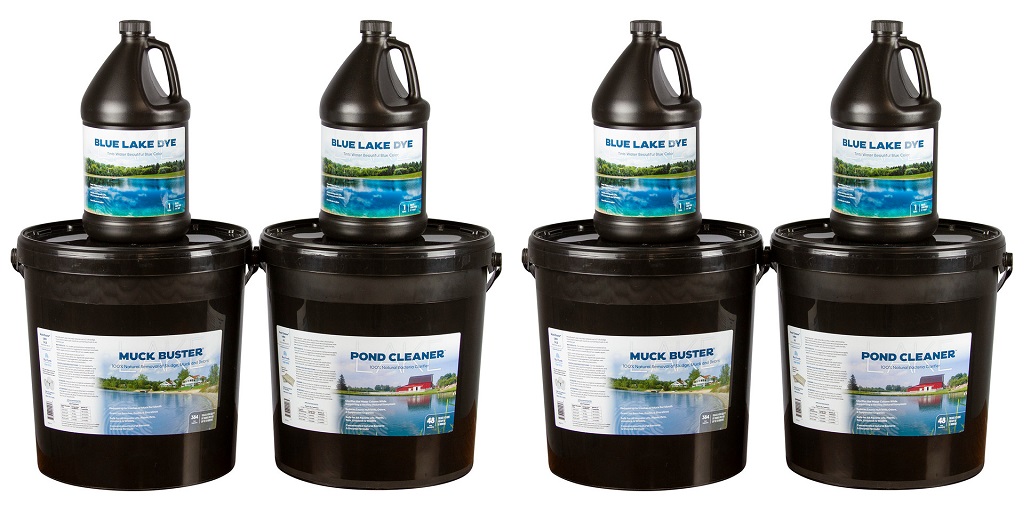
But when algae start to take over, they turn from beneficial to problematic, and can cause murky water, oxygen depletion, foul odors, and an overall decline in pond health. If you’ve ever seen your pond turn pea-green or develop thick mats on the surface, you’re dealing with an algae bloom that needs attention, specifically a large pond treatment.
Why Algae Grow in Ponds
Algae thrive in environments rich in sunlight and nutrients. When leaves, grass clippings, and other organic debris accumulate in your pond, they break down and release nutrients like nitrogen and phosphorus. Add direct sunlight into the mix, and you’ve got the perfect recipe for algae growth.
Unlike aquatic weeds that root themselves at the pond’s bottom, algae don’t require soil to grow. Instead, they reproduce quickly by fragmentation, meaning a single strand can break off and grow into a new bloom.
This rapid growth makes it easy for algae to overwhelm a pond if conditions are favorable.
There are several common types of pond algae:
- Planktonic algae
These microscopic plants float in the water, turning it a green, pea-soup color.
- Filamentous algae
Often called pond scum, these form stringy mats that float to the surface after growing on rocks or plants below.
- Chara
A branching, bottom-growing algae that resembles aquatic plants but can be identified by its gritty texture and musky odor.
Each type requires different control methods, which is why correct identification is crucial before treatment.
When Algae Become a Problem
While small amounts of algae are normal, an overgrowth, or an algae bloom, disrupts the pond’s balance. Thick mats on the surface block sunlight from reaching beneficial aquatic plants, while dying algae consume oxygen, stressing or even killing fish.
Blooms are most common in late spring and summer, when warmer temperatures accelerate algae reproduction. You’ll notice the problem when you observe the following:
- Your pond water turns green and cloudy.
- Mats of slimy growth float on the surface.
- Fish appear stressed or come to the surface gasping for air.
- The pond develops a strong, unpleasant odor.
This is the point where proactive cleaning and treatment become necessary.
The Best Time to Clean Your Pond
Timing is everything when dealing with algae. For large pond treatments to work, algae must be actively growing. Applying algaecides or treatments when algae are dormant will not be effective. Ideally, pond water should be at least 60°F to ensure successful absorption of treatments.
Weather conditions also matter. Choose a day without rain in the forecast so that the treatment can properly absorb. Avoid extremely hot days, because treating too much algae at once in warm weather can reduce oxygen levels, creating dangerous conditions for fish.
Experts recommend treating only one-third of your pond at a time, waiting 10 to 14 days between treatments. This prevents sudden oxygen depletion and gives your pond life time to adjust. Running an aeration system or a fountain during treatment further ensures your fish and aquatic life remain healthy.
Algae are part of a pond’s natural ecosystem, but too much of them can quickly transform a beautiful water feature into an unhealthy mess. But you can restore balance and keep your pond looking its best with a large pond treatment combined with long-term maintenance, and your pond will stay clear, healthy, and vibrant season after season.