Living with a disability in America is associated with a variety of adverse effects, including poverty, social and attitude barriers, and so much more.
But the fundamental problems are so much more basic. Despite these greater issues, individuals living with disabilities may have trouble going about their daily lives.
This short post will cover some of them.
Getting Dressed
Something as simple as lacing a pair of shoes, or buttoning a coat, which the rest of us take for granted, can be impossibly difficult for an individual living with a disability that affects his or her fine motor coordination.
Even putting on socks, a pair of pants, or getting into a shirt can pose an insurmountable struggle.
There are orthotic shoes and other clothing that can be purchased to help ease the challenges, but they are very real nonetheless, and pose a daily challenge.
Getting in and Out of a Seat
Likewise, getting into or out of a seat, especially one that’s very low, can present a significant challenge for one whose motor abilities and flexibility are compromised by an underlying condition.
This not only can make daily life frustrating, but can also expose the affected individual to a higher risk of falls and injury as a result.
Preparing Food and Eating
Being able to prepare food independently, and feed oneself, are two indelible aspects of autonomy without which the quality of life experiences a severe, adverse impact.
Unfortunately, both preparing food and eating require a high degree of proprioception paired with fine motor coordination.
For those living with disabilities, it can be difficult, next to impossible, to cook, clean, and more importantly, to feed themselves without assistance.
Just like clothing, there are orthotic utensils that can help, but the challenge remains poignant nonetheless.
Bathing and Toilette
Basic ablutions like washing the face, brushing the teeth, and combing the hair can be quite difficult for one that has issues with motor impairment.
Beyond this, it can be difficult, even nearly impossible to get into or out of the tub or shower. On top of that, the bathroom is where most serious falls in the home occur, adding to the complication.
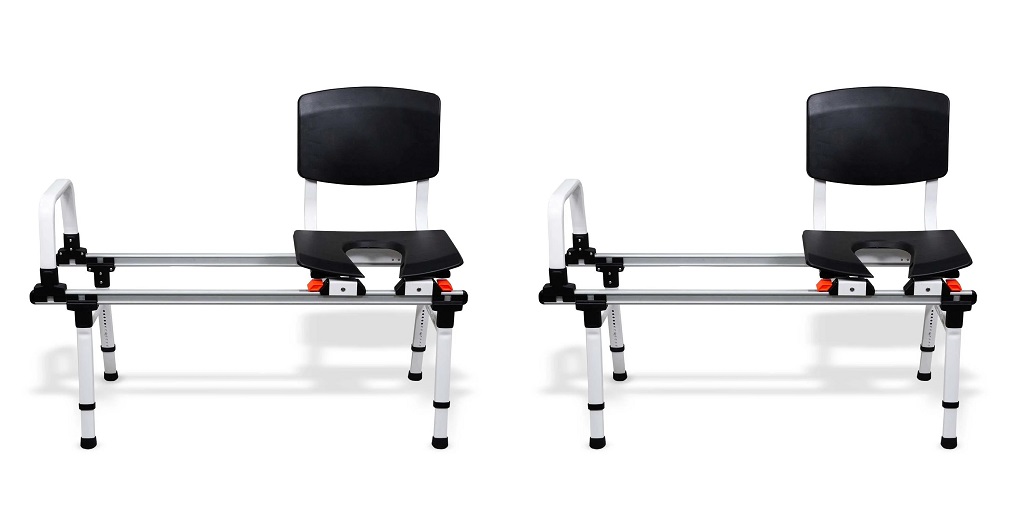
Assistive devices, like handicap shower chairs and transfer benches, can help ease the strain while also helping to prevent the risk of falls, but they do not outright eliminate the risks.
This is one area in which assistive devices and technology should definitely not be overlooked, especially given the fall risk posed by the bathroom.
Using the Stairs
As conditions that affect motor impairment and coordination progress, stairs can become more and more of an insurmountable obstacle – and, like in the bathroom, serious falls in the home often occur on the stairs.
As is the case with handicap shower chairs in the bathroom, there are assistive devices for the stairs. Lifts can help, as can ramps, but these ease, rather than eliminate, the risks and challenges of a home with stairs. Often the best solution is to relocate to a home that has a single-level floor plan.
Using Technology, Written Communication
Technology that relies on a physical interface, such as phone buttons or a computer’s keyboard, can become difficult if not impossible for those with disabilities to use. The same goes for many who live with advanced arthritis.
Even something as simple as signing a name with a pen can become quite a serious challenge for one with impaired motor function. Again, orthotics and assistive technology (such as smart systems that recognize voice commands) can help, and this is actually one area in which they can make a huge impact.