Owning land isn’t one-size-fits-all. A city lot and an acreage come with very different challenges — especially when it comes to determining property boundaries. Whether you’re buying, selling, subdividing, or developing your property, getting accurate boundary surveys in Edmonton is essential. For acreage owners, though, the process can be more complex compared to the surveys typically done within city limits.
1. Size and Complexity of the Property
One of the most obvious differences between acreage and city lot surveys is the size of the property. Urban lots are usually small, compact, and have well-defined boundaries. Acreages, on the other hand, can cover several hectares of land, often with irregular shapes and natural features like creeks, slopes, and treed areas.
Because of this, boundary surveys for acreages require more extensive fieldwork. Surveyors need to take precise measurements over larger areas, often using specialized equipment and advanced mapping techniques. Accurate boundary surveys in Edmonton ensure that you know exactly where your property begins and ends — which can help avoid future disputes with neighbours or local authorities.
2. Access to Historical Land Records
For city lots, boundary information is typically well-documented and easy to access. Urban developments are carefully planned, and survey records are often digitized and updated regularly. Acreage properties, however, may be located in rural or less-developed areas where historical land records can be limited or outdated.
This means surveyors may need to conduct deeper research, often reviewing older land titles, subdivision plans, or government records to accurately establish property lines. Without a proper survey, it can be challenging to confirm whether fences, driveways, or outbuildings are placed correctly on your property. Relying on boundary surveys in Edmonton helps you avoid potential legal issues later on.
3. Natural Features and Land Use Considerations
Unlike city lots, acreage properties often involve natural landscapes that add another layer of complexity to boundary surveys. These features can include rivers, wooded areas, uneven terrain, and wetlands, all of which can impact property lines and land usage.
Surveyors must account for these elements when preparing detailed reports. If you plan to build structures, dig wells, or install fencing, an accurate survey ensures that everything complies with municipal and environmental regulations. Without a professional boundary survey, it’s easy to make costly mistakes when developing your acreage.
4. Subdivision and Development Challenges
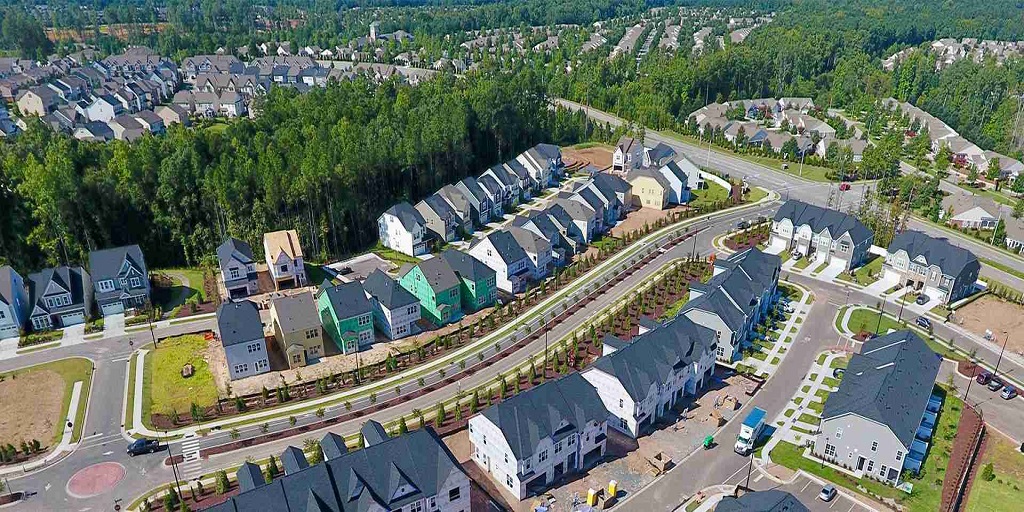
For city lots, subdivisions are usually straightforward because urban infrastructure like roads, utilities, and drainage systems are already in place. With acreages, the process can be much more complicated. If you’re planning to subdivide or develop your property, a detailed boundary survey report becomes even more critical.
Surveyors may need to assess zoning restrictions, road access, easements, and rights-of-way that affect how the land can be divided and used. Without these details, you risk running into setbacks, delays, or even having your development plans rejected by local authorities.
5. Preventing Boundary Disputes
Whether you live in the city or on an acreage, property line disputes can be stressful and expensive. However, they’re often more common with rural properties due to unclear boundaries and the lack of visible markers. A properly conducted survey eliminates uncertainty, giving you and your neighbours a clear understanding of where one property ends and another begins.
When in doubt, prioritize accuracy. Choosing reliable boundary surveys in Edmonton services can save you from costly mistakes, prevent conflicts, and give you the confidence to move forward with your property plans.
For more information about Real Property Reports Services Regina and Land Survey Company Saskatoon Please visit: CORE Geomatics.