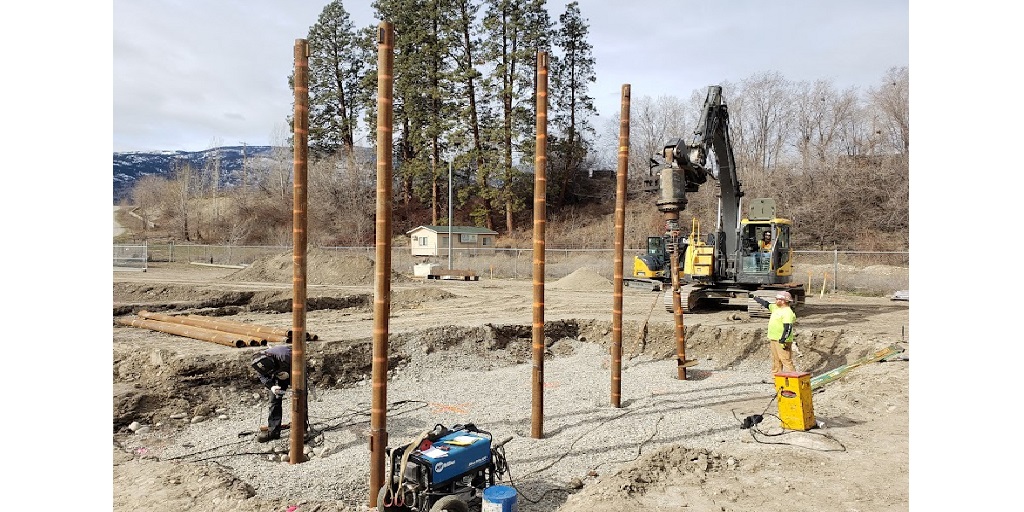
When a project requires helical pile installation, most assume the process will go smoothly from start to finish. But what if, mid-installation, the pile hits solid rock? It’s not just a minor hiccup—it can affect everything from structural performance to scheduling. Whether you’re managing a commercial build or a residential foundation, understanding how contractors handle this situation can help you plan better, budget smarter, and avoid long-term issues.
Why Hitting Rock Isn’t Always a Bad Thing
Surprisingly, encountering rock during helical pile installation isn’t always problematic. In fact, in some cases, hitting bedrock is ideal. A helical pile anchored into competent rock can provide exceptional load-bearing capacity. However, the complications arise when the rock layer is shallow, fractured, or inconsistent—conditions that make it difficult for the helices to advance and seat properly.
The biggest challenge isn’t just hitting rock—it’s hitting the wrong type of rock or hitting it too soon. If the helical pile can’t penetrate far enough into the soil before meeting resistance, it may not achieve the necessary torque or depth for proper load transfer. In other words, it may not do its job.
What Experienced Installers Do When Rock Is Hit
The moment a helical pile hits rock, several assessments are made:
- Torque Monitoring
The installer checks the torque being applied. If it spikes sharply and the pile stops advancing, that’s a strong indicator that solid rock has been encountered. - Soil Conditions Review
Geotechnical data is revisited to confirm if rock was anticipated at that depth. If not, further investigation may be required to understand the subsurface conditions more accurately. - Switching Equipment
If the rock layer can’t be penetrated using standard helical pile equipment, switching to rock-cutting helical pile tips or specialized tooling is an option. These are designed to handle harder materials. - Design Adjustments
In certain cases, engineers may revise the pile design. This might mean switching to a different type of deep foundation (like micropiles or drilled shafts) or modifying the length and spacing of the piles to compensate for the rocky conditions.
Will This Delay Your Project?
Yes—but only if you’re unprepared.
The discovery of rock during helical pile installation doesn’t always cause major project delays, especially when there’s strong coordination between geotechnical engineers, structural designers, and the installation team. In many well-managed projects, contingencies for difficult soils—including rock—are already built into the schedule and budget.
But if no prior soil testing was done and rock comes as a surprise, expect delays. Additional testing may be needed, along with changes to the original foundation plan. These could require permit revisions, supplier lead time for different pile types, and additional crew mobilizations.
How You Can Prepare
Always Do a Soil Investigation
Before any helical pile installation, commissioning a geotechnical report is a non-negotiable best practice. It helps predict the depth and type of soils, rock layers, and groundwater conditions.
Include Rock Contingencies in the Design
Even if soil testing doesn’t show rock in your area, designing with flexibility allows your contractor to respond faster if conditions change.
Work With Installers Experienced in Variable Ground Conditions
Skilled contractors will be familiar with the tools and techniques necessary for handling unexpected rock and will make decisions that preserve structural integrity without overspending.
Whether you’re building a home, commercial facility, or infrastructure project, being informed about the realities of helical pile installation can help you make better decisions from the ground up.