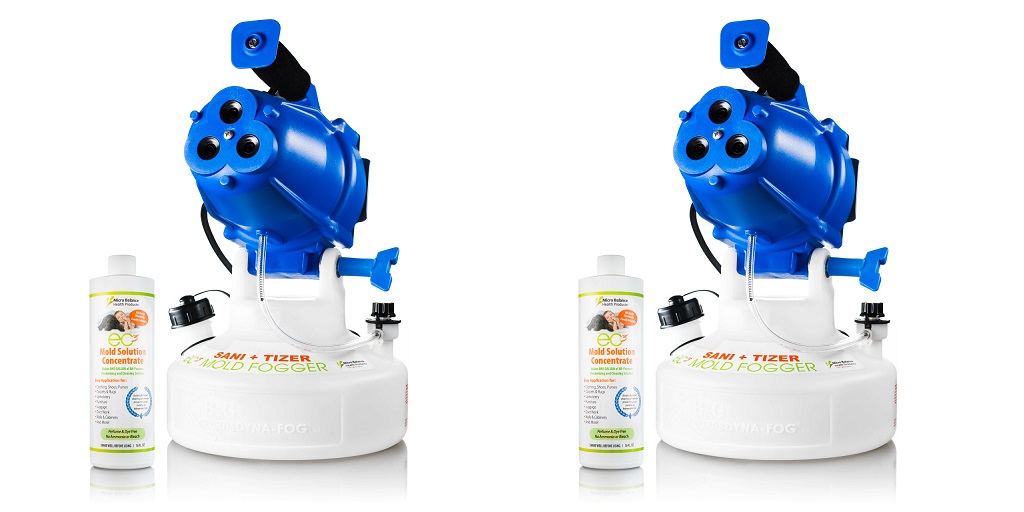
Using a mold fogger in your home can be an effective tool for addressing airborne mold particles, but it is important to have realistic expectations about its capabilities and limitations.
Fogging involves dispersing a fine mist or dry fog of a mold treatment solution into the air, which helps capture airborne contaminants and deposit them onto surfaces. However, it is not a standalone solution for mold remediation.
Here’s what to expect after using a mold fogger, and what to do after using it.
Immediate Effects of Fogging
Airborne Particle Reduction
The primary function of fogging is to reduce airborne particles. As the fog settles, it adheres to airborne mold spores, dust, and other particulates, causing them to fall onto surfaces. This process can help clean the air temporarily, especially in confined areas like attics or crawl spaces, where traditional air circulation or cleaning methods may be less effective.
Surface Deposition
After fogging, expect to see treated surfaces covered with a residue of the fogging solution. This residue contains the mold treatment agent, which can help neutralize spores and other contaminants. Surfaces in the affected areas will need to be cleaned to remove the deposited particles and residue.
Temporary Improvement in Air Quality
Depending on the solution used, for example EC3 Mold Solution Concentrate, you might notice an immediate reduction in the musty odors associated with mold. However, this improvement in air quality may not be long-lasting if the underlying source of the mold remains unresolved.
Post-Fogging Cleaning and Maintenance
After using a fogger, you have to maintain and clean the area to make sure the underlying source of the mold is removed or cleaned. First, do some surface cleaning in the area where you did the fogging.
Surface Cleaning Required
After fogging, the deposited particles and residues must be manually cleaned. This involves using HEPA vacuums and damp microfiber cloths to thoroughly wipe down all surfaces. Fogging by itself does not remove mold or contaminants; it only moves them from the air to surfaces, where they need to be physically removed.
Mold Source Removal
Fogging is not a solution for addressing the root cause of mold. If the source—such as a water leak or high humidity—is not resolved, mold can return even after fogging. To ensure long-term success, it is critical to address moisture issues and remove moldy materials.
Follow Best Practices and Timing for Fogging
Fogging is most useful when employed as part of a comprehensive mold remediation process. After physically removing mold-contaminated materials and cleaning surfaces, fogging can help address residual airborne particles. It should be considered a supplementary step, not the primary method of mold removal.
Targeted Use in Hard-to-Reach Areas
Fogging is particularly effective in areas that are difficult to clean manually, such as crawl spaces, attics, and behind walls. These are spaces where airborne particles can linger even after physical cleaning.
Timing Matters
Fogging should typically occur toward the end of the remediation process. By this stage, most of the visible mold has been removed, and the fogger can help capture and deposit the remaining airborne contaminants.
Chemical and Safety Concerns
Ensure that the fogging solution used is non-toxic and safe for use in your home. Introducing strong chemicals into your environment may alter the home’s air quality and potentially cause adverse effects. Safe, eco-friendly options like citrus-based solutions are often recommended.
Micro Balance Health Products Has Fogging Products for You
After using a mold fogger, you can expect improved air quality and reduced airborne mold particles in the short term. Micro Balance Health Products has anti mold products that can be part of a comprehensive remediation strategy.
Used correctly and in the right circumstances, fogging can be a valuable tool in your mold remediation arsenal.