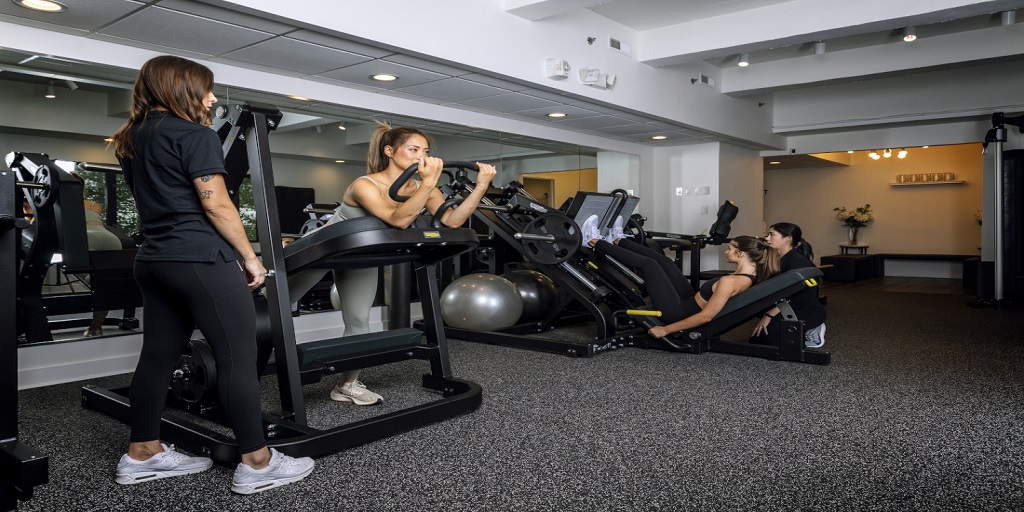
People who love fitness have different expectations and ideas when it comes to the ideal training studio. But often they focus on what they want, not what they need. It all comes down to what could help you reach your fitness and health goals.
An ideal personal training studio isn’t just about having dumbbells and treadmills—it’s about creating an environment that supports progress, comfort, and professionalism from the ground up. Whether you’re a trainer or a client, here’s what you should expect to find in a top-tier personal training space.
Thoughtful Layout and Defined Spaces
The foundation of a good training studio is smart design. There should be a clear separation between different areas—workout space, bathrooms, changing rooms, reception, and office space. Each area should serve its purpose without feeling cramped or chaotic.
A well-planned gym feels open, organized, and intuitive. You shouldn’t be confused about where to go or what each section is for. Even small studios can feel big if the space is used wisely.
Clean, Modern Restrooms and Changing Areas
This may seem basic, but it matters more than people think. A quality studio provides clean, private restrooms and changing rooms. These areas don’t need to be fancy, but they should be well-lit, odor-free, and stocked. It shows attention to detail and respect for clients’ comfort.
The absence of these basics sends a message that the studio isn’t client-focused.
High-Quality Equipment
The equipment should match the kind of training being offered. A serious strength studio needs solid squat racks, free weights, and platforms. A general fitness space should offer a mix—treadmills, bikes, cable machines, resistance tools, and functional equipment.
Quality matters: wobbly benches, torn padding, or half-functioning machines are red flags. Bonus points for equipment that feels premium—things like advanced treadmills with extra cushioning or performance bikes that support clip-in shoes.
Excellent Lighting and Atmosphere
A training session is as much about energy as it is about reps. Lighting plays a big role in setting that tone. Harsh, fluorescent lights can feel clinical. On the other hand, creative lighting—such as custom overhead strips or accent lights—can make the space feel inspiring.
Some personal training studios even use low lighting with neon accents to create a nightclub-like vibe that pumps people up. It’s not about showing off—it’s about creating an environment that feels alive and motivating.
Finishing Touches That Show Personality
Little details go a long way. A statement wall, artwork, neon signs, or a unique reception desk shows that the owner put thought into the space. These finishing touches reflect the brand’s identity and help clients connect with the environment.
A great studio feels personal, not generic. Whether it’s a bold sign, a colorful wall, or custom decor, these details make the studio memorable.
Comfortable Common Areas
Clients appreciate spaces where they can arrive early or hang out after a session. A comfy lounge area, amenities such as spa or massage rooms, some lockers, and a reception counter makes a big difference. It creates a sense of community and gives the studio a professional, welcoming atmosphere.
If you’re going to spend time somewhere every week, it should feel like a place you want to be—not just a warehouse of weights.
A Studio That Encourages Energy and Great Results
At the end of the day, the best personal training studios are the ones that make their clients feel energized, supported, and encouraged. You can tell when someone poured themselves into the design, made tough decisions, and handled obstacles along the way.
Those personal touches—whether it’s the lighting, the layout, or the additional amenities—transform the space from just a gym into something people want to be part of. And when a studio checks all those boxes, it’s more than just a place to work out—it’s a space that supports goals, builds community, and leaves a lasting impression.