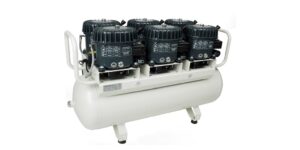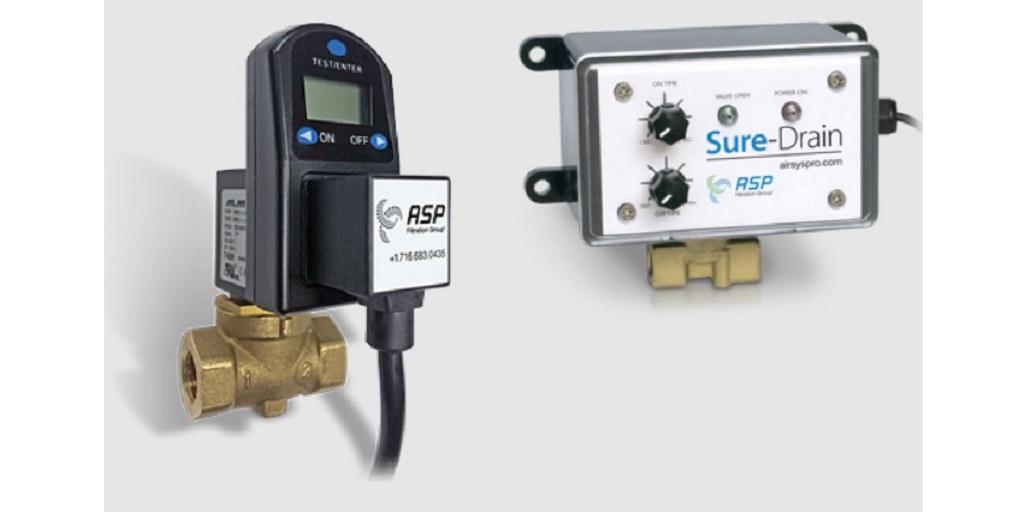
When facilities consider condensate management in compressed air systems, their first instinct is often to install the simplest, least expensive option. Manual drain valves have long been the go-to choice, mainly because of their low upfront price. But what often goes unnoticed is how the hidden costs of manual drains add up — in wasted air, unplanned downtime, and replacement parts.
Looking at the bigger picture, an automatic drain valve can deliver significant long-term savings that outweigh its initial investment.
The Hidden Costs of Manual Drain Valves
On the surface, manual drains seem economical. They require no power source and only minimal installation effort. However, that “savings” can disappear quickly when considering day-to-day operations.
Drains need to be opened at regular intervals, which ties up personnel and introduces the risk of missed schedules. If a manual drain is neglected, moisture builds up in the compressed air system. This can cause corrosion, blockages, and even system shutdowns.
Many operators leave manual drains cracked open to avoid constant checks. This leads to significant compressed air loss — one of the most expensive utilities in an industrial facility. Sticking valves, clogged passages, and corrosion are common issues, meaning maintenance teams often spend more on parts than they expected.
These small, recurring costs make manual drains far more expensive than their price tag suggests.
How Automatic Drain Valves Shift the Equation
An automatic drain valve eliminates most of the uncertainty by discharging condensate at the right time without operator intervention. While it costs more upfront, its efficiency creates savings in multiple areas:
- No need for technicians to monitor and open valves manually.
- Zero-loss models prevent compressed air from escaping, directly reducing energy waste.
- Consistent condensate removal keeps compressors, dryers, and downstream equipment running at peak performance.
- With moisture reliably removed, the risk of production interruptions or costly repairs drops dramatically.
When calculated across months or years, the savings in labor hours, energy, and downtime usually surpass the original purchase cost several times over.
Lifecycle Cost Perspective
Thinking in terms of lifecycle cost rather than purchase price highlights the real value of an automatic drain valve. For example, a facility may spend a few hundred dollars more initially, but in return:
- Labor tied to condensate draining can be redirected to higher-value tasks.
- Compressed air loss is minimized, resulting in annual energy bill savings of thousands.
- System reliability increases, extending the lifespan of major equipment.
This perspective makes it clear that automatic drain valves are not just an upgrade — they are a financial strategy for better cost control and operational reliability.
Choosing the right condensate management solution means looking beyond the sticker price. A manual drain may seem cheaper, but its hidden costs accumulate over time. An automatic drain valve provides a smarter alternative, offering consistent performance, reduced waste, and significant long-term savings.
For facilities that want to optimize their compressed air systems and protect their bottom line, it may be time to evaluate a transition. To learn more about reliable solutions, visit Air & Vacuum Process, Inc. online.