
In fishing we have a saying, “wood is good.” But it’s not just about wood. It means that if you can find structure, you will find fish.
Structure provides shelter for predatory fish like trout and it also holds forage. Without any further exposition, here are 10 great types of structure that often hold trout in the waters they inhabit.
Find these types of structure and present your trout fishing lures to them. Sooner or later, you’ll catch.
Pools
Pools are areas of slightly deeper water that are a part of watercourses like streams and rivers, and they’re generally cooler than the surrounding waters. This makes pools great areas to target when the temperatures are a little higher, as trout prefer cool water and will appreciate the relief.
Riffles
The areas of slightly turbulent water are attractive to trout because they are strong enough to fight the turmoil, whereas the smaller bait they ambush usually gets tired and battered by the current; trout lie in wait in these areas. Also high in oxygen which makes fish active for feeding.
Submerged and Partially Submerged Rocks
Submerged and partially submerged rocks create eddies just downstream where trout ambush their prey and rest from the current. They also provide a convenient hiding spot for the trout themselves. Try targeting the sides of submerged and partially submerged rocks and boulders, as well as the areas immediately downstream.
Downed Trees, Logs and Jams
The same notes apply here as apply to submerged rocks. Trout will shack up under and behind downed trees and partially submerged logs, waiting for the perfect opportunity to strike a passing baitfish or trout fishing lure.
Overhangs
Overhangs could take the form of the bank itself, or of trees or other vegetation shading the water. This creates a shadow line that not only helps trout hide and makes them feel safe, it also keeps the water cool. On top of that, insects occasionally fall from the overhead branches, and trout know this. Brown trout do like shade more than rainbows.
The Outside of Bends
The outsides of bends in creeks and streams tend to be deeper than the insides, and often trout will hide here.
Drop-offs
A drop-off refers, basically, to any portion of the river or lake bottom where the water suddenly gets deeper – hence the name. Larger gamefish, not just trout, often congregate here, waiting to take advantage of bait that strays too close to open, deeper water.
Converging Currents
Not all structure is physical; converging currents create a boundary that while not tangible will batter small, hapless minnows, insects and invertebrates, making them easy targets for trout.
Stream Inlets
Stream inlets often carry bait into deeper water, and trout will wait right at the mouths of them to sneak up and take a swing at any bait that gets carried to them.
Piles
While not natural structure, if there are any docks or bridges crossing the river or stream you fish, the piles are excellent places to target trout, as they will hide in the shadows in ambush.
Upstream or Downstream?
Trout anglers often wonder whether they should present their trout fishing lures upstream or downstream. Either can be effective, but as a general rule, you should cast upstream and work the lure downstream if you can.
There are two reasons for this. One is that it is easier to moderate the running depth of the lure in this fashion. The other is that trout normally orient themselves facing into the current, so if you cast upstream and work the lure downstream, your lure will pass right by the face of any trout lying in wait.
Stop Throwing the Same Stuff: Shop Unique Trout Fishing Lure Patterns
Most trout anglers are set in their ways and throw the same trout spinners and spoons they always have. These lures may produce, but on pressured waters, trout will respond much more favorably to patterns they haven’t seen before.
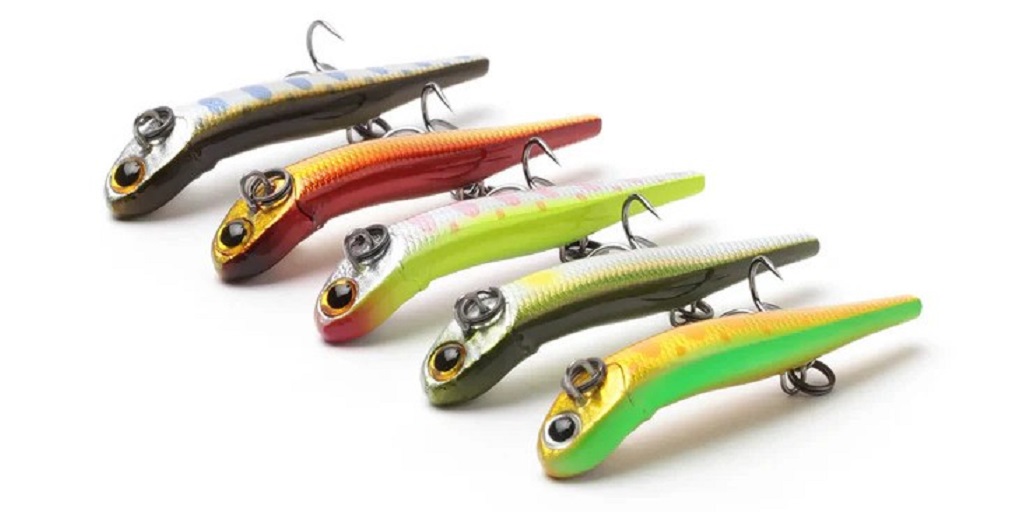
Check out the trout fishing lures over at Jackson USA. Their trout spinners and minnows are ideal for BFS outfits, and many of their patterns are very unique – which means the trout in your area probably haven’t seen anything like them yet. Refresh your box before the next time you head out and hedge your bets with some new lures.
