
Installing a concrete inground pool can be an exciting addition to any property. However, it involves several crucial decisions to ensure the structure is built to last, performs well over time, and meets safety standards. Whether you’re in the planning stages or working with experienced contractors, careful preparation is essential. Below are key factors to consider when installing a concrete inground pool, from choosing the right contractor to understanding soil conditions and long-term maintenance.
1. Site Preparation and Ground Conditions
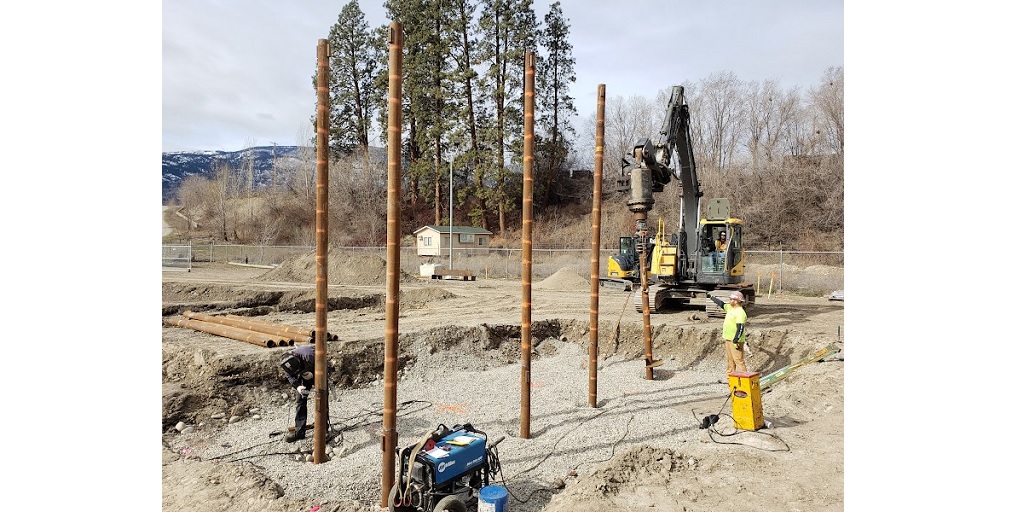
Before construction begins, a thorough site evaluation is necessary to assess the soil conditions and determine if any groundwork, such as excavation or soil stabilization, is needed. Some sites may require additional support if the soil is loose or prone to shifting. In these cases, working with specialists such as helical pile contractors can be essential. These contractors install helical piles to provide a stable foundation, reducing the risk of pool movement or settlement over time. A reliable foundation ensures the pool will remain structurally sound even with fluctuating soil conditions.
2. Drainage and Waterproofing
Proper drainage plays a crucial role in the longevity of any inground pool. Pool installations need to be planned with a drainage system that prevents water from collecting behind the pool walls. Pool builders often recommend waterproof membranes or coatings to prevent moisture issues. For challenging sites with high groundwater levels, additional measures may be required. In some situations, helical pile contractors offer solutions to anchor the pool securely, preventing the structure from lifting or shifting due to hydrostatic pressure.
3. Structural Integrity and Load Distribution
A concrete pool must withstand the combined forces of water pressure, soil pressure, and seasonal changes. The pool’s design and structural elements need to be carefully calculated to prevent cracks or damage. Engineers may recommend reinforcement with rebar, concrete additives, or even external support systems, particularly for pools built on uneven terrain. Using helical piles as part of the construction process can help distribute loads evenly, ensuring long-term stability. Partnering with experienced helical pile contractors ensures the foundation and structure are designed to handle these forces effectively.
4. Choosing Pool Features and Design Elements
Beyond the structural aspects, the pool’s design should align with your preferences and lifestyle. Options include built-in spas, tanning ledges, water features, and custom lighting. It’s also essential to consider the depth, shape, and size that best fit the space. Consulting with pool designers early in the process ensures that features are incorporated smoothly during construction, avoiding costly changes later. If your pool includes elevated sections or retaining walls, additional foundation support may be necessary to prevent movement, making the expertise of contractors essential.
5. Long-Term Maintenance and Seasonal Care
Concrete pools require periodic maintenance to remain in top condition. Proper cleaning, chemical balancing, and resurfacing are essential tasks to extend the pool’s life. Seasonal maintenance, such as winterizing the pool, prevents freeze damage to the concrete surface and plumbing systems. Planning ahead for routine upkeep and working with qualified contractors ensures the pool remains in good condition year after year.
Installing a concrete inground pool involves more than just choosing a design. Ground stability, proper drainage, structural support, and ongoing maintenance are all critical components of a successful installation. Engaging with experienced contractors and, when necessary, helical pile contractors will ensure your pool stands the test of time. Thoughtful planning and attention to detail throughout the project will help create a pool that provides years of enjoyment with minimal headaches.

