
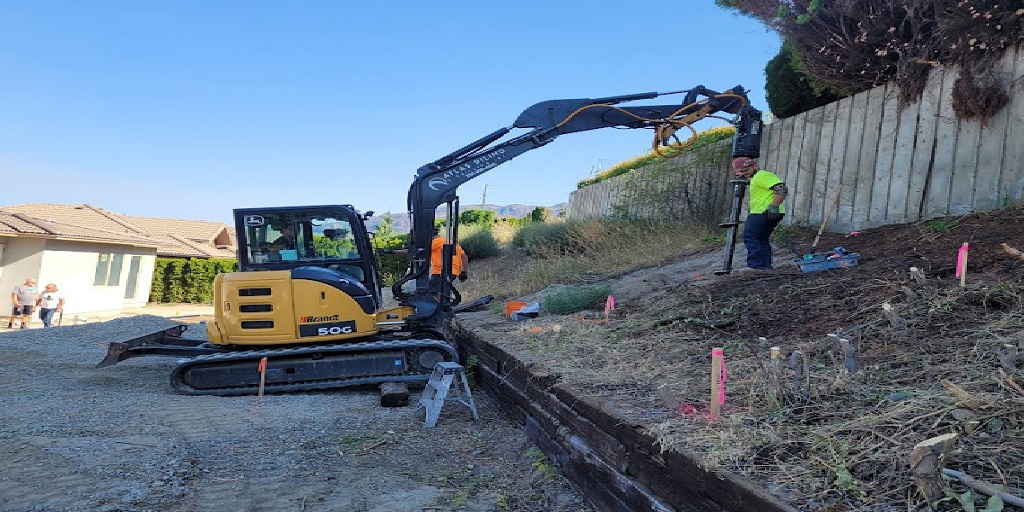
When considering foundation solutions, helical piles are a popular choice due to their versatility and strength. However, selecting the right size is crucial for ensuring the stability and longevity of your structure. Whether you’re building a deck, adding an extension, or installing a solar panel system, determining the appropriate size of helical pile is essential. If you’re searching for “helical pile contractors near me,” it’s helpful to understand the factors that influence pile size selection.
Key Factors Influencing Helical Pile Size
The size of a helical pile depends on various factors, including the structure’s weight, soil conditions, load requirements, installation depth, and environmental considerations.
Type of Structure Being Supported
The size of the helical pile directly depends on the weight and type of structure. Lighter structures, such as small decks, sheds, or carports, typically require smaller piles. In contrast, larger or more complex structures like homes, commercial buildings, and retaining walls demand piles with a larger diameter and higher load capacity.
Soil Conditions and Load Capacity
Soil composition plays a significant role in determining the size and type of helical pile required. For example, dense clay or sandy soils may require longer piles or those with larger helices to provide adequate bearing capacity. Loose or unstable soil may also necessitate larger piles to reach more stable ground and ensure a secure foundation.
Load Requirements
Helical piles come in different shaft sizes and helix configurations to accommodate varying load requirements. The size of the pile must be sufficient to support the structure’s weight, including potential live loads such as occupants, furniture, and environmental factors like snow and wind. Piles used for heavy-duty applications typically range from 2.5 to 4.5 inches in diameter, with larger options available for more demanding projects.
Depth of Installation
The depth at which the pile needs to be installed is another important factor. Piles that need to be driven deeper to reach stable soil or bedrock require larger shafts and helices to ensure proper load distribution. In areas where the soil is particularly challenging, a professional assessment can determine the most suitable size and depth for your project.
Environmental Considerations
Certain environmental factors, such as frost depth or water table levels, also affect pile size selection. For instance, piles installed in regions with deep frost penetration may need to be driven deeper to avoid seasonal shifts that could compromise the stability of the foundation.
Importance of Professional Assessment
Determining the right size of helical pile requires a thorough understanding of soil conditions, load requirements, and environmental factors. Engaging experienced professionals ensures that the correct pile size and type are selected for your specific project. Searching for “Helical Pile Contractors Near Me” can connect you with experts who can evaluate your site and provide reliable recommendations based on local soil conditions and building codes.
Selecting the right size helical pile is essential for the safety and stability of your structure. By considering factors such as load requirements, soil conditions, and installation depth, you can ensure a secure foundation. If you’re looking for “helical pile contractors near me,” it’s best to choose professionals with experience in evaluating project needs and recommending the ideal pile size. Proper planning and assessment will safeguard your investment and ensure long-term structural integrity.
