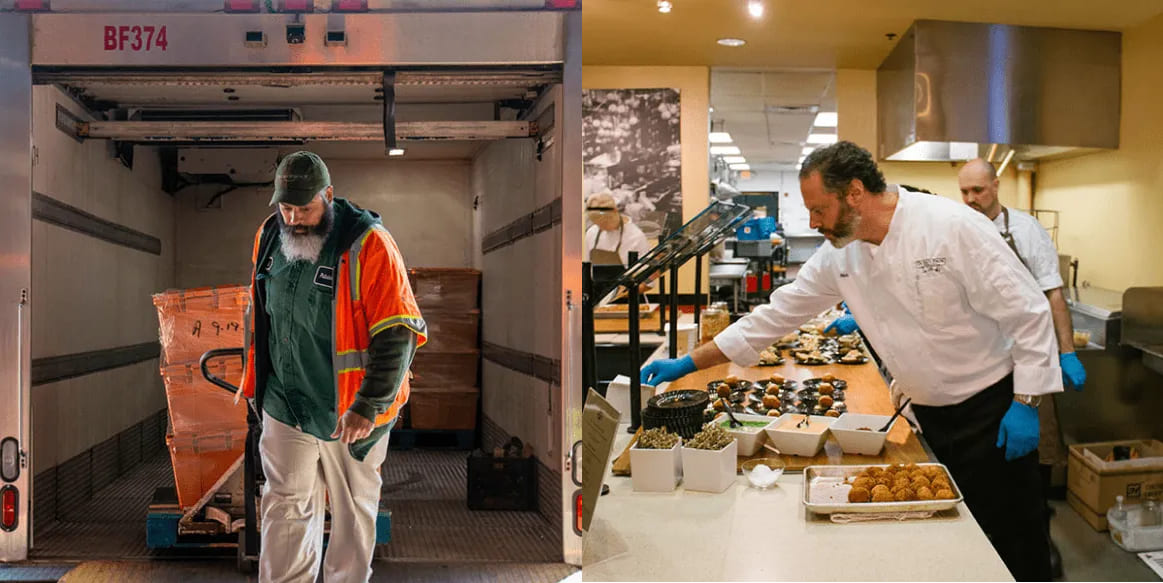
A food bank donation drop-off feels immediate. You bring a bag, maybe a box, and you know someone will eat because of it. That moment matters. It keeps shelves stocked and gives families something solid to rely on today.
But we see the pattern every year. A food bank donation drop-off surges during the holidays, then fades. Hunger doesn’t follow that rhythm. Families still need meals long after the bins stop filling. That’s where the real gap shows up, and why consistency carries more weight than timing.
Food Bank Donation Drop-Off Surges Around Events Then Slows Down Fast
Every food bank donation ties closely to visibility. Holidays bring people together. Schools run collections. Companies organize drives. Someone searches for a food drive near me and shows up ready to give.
Midway through these efforts, you’ll see strong momentum. People donate non-perishable food. Teams stack canned goods. Communities respond with real energy. It helps organizations stock up and prepare for colder months.
But once those events end, the pace changes. A food bank donation drop-off becomes less frequent. People return to routine. Awareness drops. Donations thin out while the system still needs steady input.
This is where timing becomes clear. Giving tied to events creates spikes. Hunger requires a steady flow.
Food Bank Donation Drop-Off Drops While Hunger Stays Steady
A food bank donation often slows right when families feel the most pressure. Late winter. Early spring. Summer. These months stretch budgets in ways that don’t always show up in headlines.
Midway through the year, requests for hunger relief donations remain strong. Families still visit their local food pantry drop off locations. The need doesn’t step back.
Think about school breaks. Kids lose access to regular meals. Parents adjust fast. Grocery bills climb. At the same time, inflation continues to hit essentials. That’s when people start asking what to donate food bank because they feel the gap.
Food banks face that reality daily. A single food bank donation drop-off doesn’t solve it. It helps in the moment. The system depends on repeat contributions to stay balanced.
Food Bank Donation Drop-Off Gaps Put Pressure On Supply And Planning
A food bank donation shapes how food banks operate behind the scenes. It affects planning, sourcing, and distribution across communities.
When donations come in waves, inventory becomes unpredictable. Teams can’t map out supply with confidence. They work harder to fill gaps with purchased food, especially when donations don’t cover the essentials.
Midway through operations, another challenge shows up. Many people donate non-perishable food, which helps build shelf stability. But food banks also need perishable food donations. Fresh produce. Dairy. Protein. These items support real nutrition, and they rarely arrive in consistent volume.
That’s where structure matters. Organizations like Philabundance coordinate across food donation centers Philadelphia to keep food moving. They rely on steady inflow to maintain variety and quality.
Even practical details like food bank hours play a role. If donors don’t know when or where to drop off, participation drops further. Accessibility supports consistency.
Food Bank Donation Drop-Off Becomes Stronger With Consistent Habits
A food bank donation drop-off works best when it becomes routine. One bag today helps. A habit builds stability.
People often ask how to contribute in a meaningful way. Start simple. Choose a regular time to give. Add items to your grocery list. Drop them off at your nearest location without waiting for a campaign.
You can still join a food drive near me when it comes up. Those drives create momentum. They bring new donors into the system. But the real strength comes from what happens after the drive ends.
Think about balance. Donate non-perishable food for shelf life. Include items that support nutrition. Pay attention to what food banks request when you look up what to donate food bank. That alignment helps maximize impact.
A steady food bank donation drop-off allows food banks to plan ahead. It supports bulk purchasing. It keeps distribution consistent across neighborhoods.
Food Bank Donation Drop-Off Turns Into Real Impact When It Stays Steady
Every donation carries intention. It shows that someone cares enough to act. That action feeds people today.
Consistency turns that action into something families can depend on. It gives food banks the ability to plan, source, and deliver without interruption. It keeps shelves stocked beyond the holiday season.
If you’re near a local agency, you have access to reliable drop-off points throughout the year. Check food bank hours, bring what you can, and keep showing up.
A food bank donation drop-off matters most when it happens again and again, long after the moment passes.