Athlete’s foot, more properly known as tinea pedis, is a fungal infection that primarily affects the foot, though it can also impact other areas of the body such as the hands and groin.
It is caused not by one fungus but by a group of fungi known as dermatophytes that attack the skin; common species include those nested under trichophyton and epidermophyton.
This short post will offer some notes for identifying symptoms and possible avenues for management or rectification.
Causes, Signs and Symptoms of Athlete’s Foot
When the fungi responsible for this affliction affect the feet, it usually occurs because the patient has had his or her feet confined in tight-fitting, poorly ventilated footwear for a prolonged period of time. The fungi flourish in dark, warm, damp environments.
Usually symptoms first present between the toes, and there are a wide potential range of them:
- Itchiness
- Inflamed skin
- Skin that appears red or purple
- Stinging or burning sensations
- Blistering or peeling
- A dry, cracked sole
- Discomfort during activity
- Pain
- An unpleasant odor
- Changes in your nails
This is not a complete list of potential symptoms, and as with any medical condition, you should always seek the help of your primary care physician if you have any questions, concerns, or are unsure about what to do.
What You Can Do About It
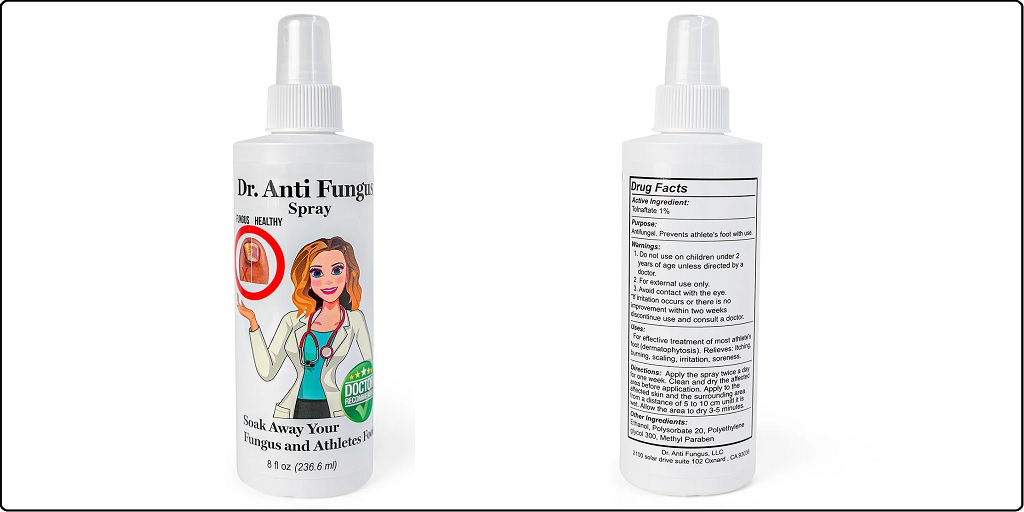
As soon as symptoms present, it may benefit you to try an over-the-counter treatment. One of the most effective treatments is a fungus spray with tolnaftate, such as that produced by Dr. Anti Fungus.
This fungus spray is specially formulated to weaken the fungal cell wall and kill the fungi that cause athlete’s foot. Not only does it kill existing infections and help prevent the further spread, but it also relieves the itching, burning, and cracking associated with the condition.
Moreover, the water-based formula is easy to apply, quick drying, and easy to apply, unlike many other topical applications.
There are other potentially effective treatments for this condition as well. Speak with your doctor if you have questions or concerns.
Mitigating the Issue
Medical treatment is only one way to lessen the risk of developing athlete’s foot or to prevent its return. There are other things you can do, including the following.
- Change your socks and shoes frequently, and wash them in hot water after every use.
- Don’t share towels, clothes, shoes or other personal items with others.
- Wear open-toed shoes when possible to give your feet a chance to breathe.
- Wear shoes in the shower or in other common areas.
- Opt for cotton clothing where possible, such as socks, as cotton is breathable.
Following these protocols should help lessen the risk of contracting the fungi that cause this condition, as well as lessening the chance of return.
To Learn More or Get Started with a Fungus Spray
For more information on preliminarily treating athlete’s foot, hand, or jock itch with a fungus spray, visit Dr. Anti Fungus or get in touch with their customer service team for more information.
For more information about Antifungal Foot Soak and Best Athlete’s Foot Ointment Please visit: DR. AntiFungus LLC.