
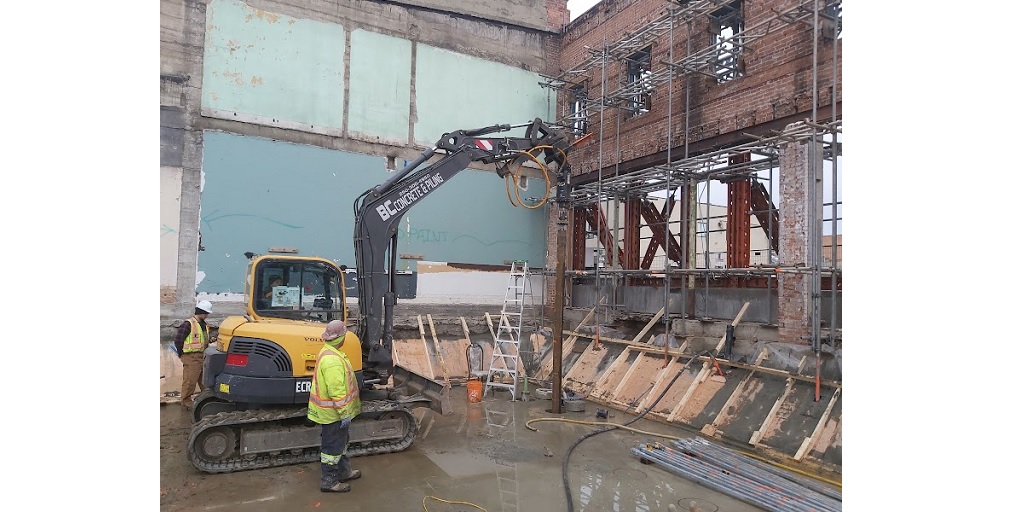
In the ever-evolving world of construction and infrastructure development, the demand for innovative, reliable, and cost-effective foundation solutions continues to rise. Among the various options available, the helical piles foundation has emerged as a preferred choice for a diverse range of projects, from large-scale infrastructure developments to essential public facilities. Its adaptability, efficiency, and sustainability make it an invaluable component in modern construction practices.
The Versatility of Helical Piles in Infrastructure Projects
Infrastructure projects, such as highways, bridges, railways, and utility installations, require a foundation solution that can withstand extreme loads, adverse soil conditions, and environmental challenges. Traditional foundation methods often face limitations in terms of installation speed, soil adaptability, and environmental impact. This is where the helical piles foundation stands out.
Helical piles offer numerous advantages for infrastructure projects. Their ability to be installed quickly and with minimal disturbance to the surrounding environment makes them an ideal solution for projects in urban areas or ecologically sensitive regions. Additionally, helical piles provide superior load-bearing capacity, ensuring long-term structural stability for critical infrastructure components. Their use in bridge abutments, retaining walls, and transmission towers demonstrates their effectiveness in supporting heavy loads and resisting lateral forces.
Another key benefit of helical piles in infrastructure projects is their adaptability to various soil conditions. Whether dealing with soft clay, loose sand, or rocky terrain, helical piles can be customized to meet specific project requirements. This adaptability helps minimize costly delays and ensures projects stay on schedule and within budget.
Enhancing Public Facilities with Helical Piles
Public facilities, including schools, hospitals, community centers, and recreational spaces, require foundations that prioritize safety, durability, and minimal disruption during installation. The helical piles foundation provides an optimal solution that aligns with these needs.
The non-invasive installation process of helical piles allows for construction in existing facilities without causing significant disturbances to daily operations. This is particularly important in projects involving hospitals and schools, where maintaining a safe and quiet environment is crucial. The vibration-free installation process ensures minimal noise and disruption, making helical piles a preferred choice for projects in densely populated areas.
Durability is another critical factor for public facilities, which must serve communities for decades. Helical piles offer exceptional longevity due to their corrosion-resistant materials and precise engineering. This ensures that public buildings remain stable and secure even in challenging environmental conditions.
In addition to their strength and reliability, helical piles contribute to sustainable construction practices. With minimal excavation required, they reduce soil disturbance and environmental impact, aligning with modern green building initiatives and helping municipalities meet sustainability goals.
Cost-Effectiveness and Efficiency
One of the key reasons for the growing popularity of helical piles in both infrastructure and public facility projects is their cost-effectiveness. Compared to traditional deep foundation methods, helical piles offer significant savings in terms of labor, materials, and installation time. The efficiency of installation reduces project timelines, ultimately leading to lower overall costs and faster project completion.
Furthermore, helical piles require minimal maintenance over their lifespan, making them a financially viable option for public and private sector projects alike. Their ease of removal and reuse also contributes to their economic advantage, particularly in temporary structures or projects that require future expansion or relocation.
As infrastructure demands continue to grow and public facilities require sustainable solutions, the adoption of helical piles will undoubtedly play a pivotal role in shaping the built environment of the future.
