When planning a commercial development, understanding the physical and environmental characteristics of a property is essential. A commercial land survey in Edmonton provides precise measurements and documentation of a parcel of land, including boundaries, topography, and existing structures. However, to ensure that a project proceeds smoothly, survey data must often be coordinated with environmental assessments, which evaluate potential impacts on the surrounding ecosystem. Combining these two processes can reduce delays, identify potential hazards, and provide a clearer picture for developers.
The Role of Commercial Land Surveys
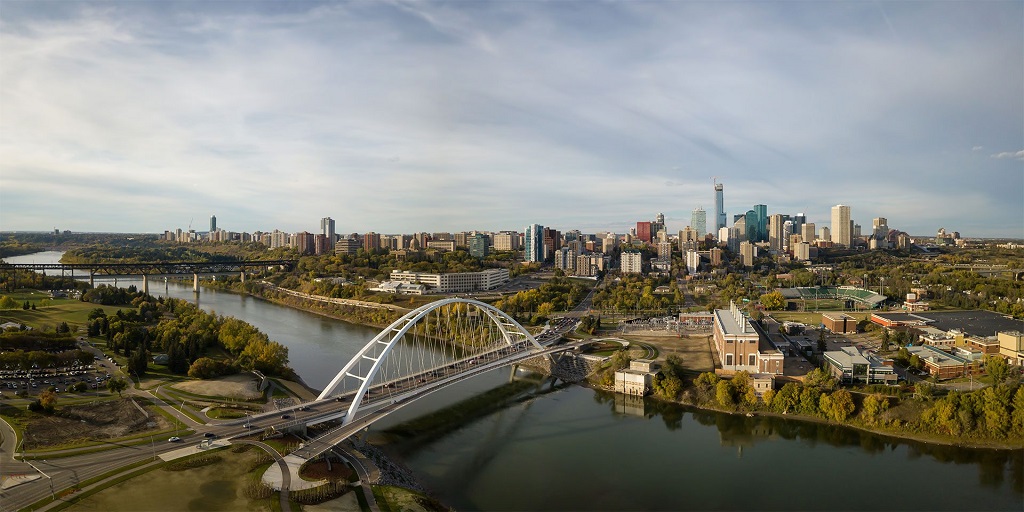
A commercial land survey in Edmonton is more than just measuring property lines. It provides a detailed representation of a site, including elevation changes, drainage patterns, and any existing physical features. This information is critical for planning construction, designing infrastructure, and ensuring compliance with zoning and building regulations. By capturing accurate data, surveys help prevent legal disputes over boundaries and provide the foundation for engineering, architecture, and urban planning projects.
Surveyors use a combination of traditional techniques and modern technology, such as GPS mapping and laser scanning, to create a precise site model. For commercial projects, where multiple buildings or large-scale infrastructure may be involved, accurate surveying ensures that every element is positioned correctly, avoiding costly mistakes during construction.
Environmental Assessments: Understanding the Land’s Sensitivity
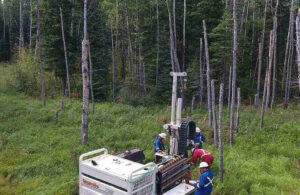
Environmental assessments examine the ecological and environmental conditions of a site. These evaluations identify sensitive areas, potential contamination, wildlife habitats, and water resources that could be affected by development. They also assess soil quality, vegetation, and other natural features, which may influence the design or placement of structures.
Integrating environmental assessments early in the planning stage is crucial. Issues like soil contamination, wetlands, or protected habitats can significantly influence a project’s feasibility. Early identification of these factors allows developers to plan modifications or mitigation strategies, reducing the risk of regulatory complications.
The Benefits of Coordination
Combining the insights of a commercial land survey in Edmonton with environmental assessment results provides a holistic view of a property. Surveyors can mark areas that require protection, identify zones prone to flooding, and help engineers design drainage systems that align with natural water flow. This coordination ensures that construction plans are both legally compliant and environmentally responsible.
Additionally, aligning these processes minimizes delays. If a survey is completed without considering environmental constraints, changes may be required later, resulting in additional costs and time. By addressing both land characteristics and environmental conditions upfront, developers can create more efficient project timelines and avoid last-minute surprises.
Practical Applications in Commercial Development
For commercial developers, coordinating land surveys with environmental data can influence decisions on building placement, parking layouts, and landscaping. For example, survey information combined with environmental findings can guide where to locate stormwater management systems or retention ponds. It can also help determine areas that should remain undeveloped to preserve natural habitats or maintain proper drainage patterns.
In urban settings, this approach supports responsible land use by reducing the risk of erosion, flooding, and other environmental issues that can impact surrounding communities. In industrial or commercial park developments, it ensures that utility installations, access roads, and structures are appropriately sited to prevent ecological disruption.
For developers looking to maximize efficiency and reduce risk, integrating land surveys with environmental evaluations should be a standard part of the planning process. This approach ensures not only regulatory compliance but also long-term sustainability for commercial developments.
For More Information About Professional Land Surveying Services Regina and Survey Services Saskatchewan Please Visit: Connexa Group.