
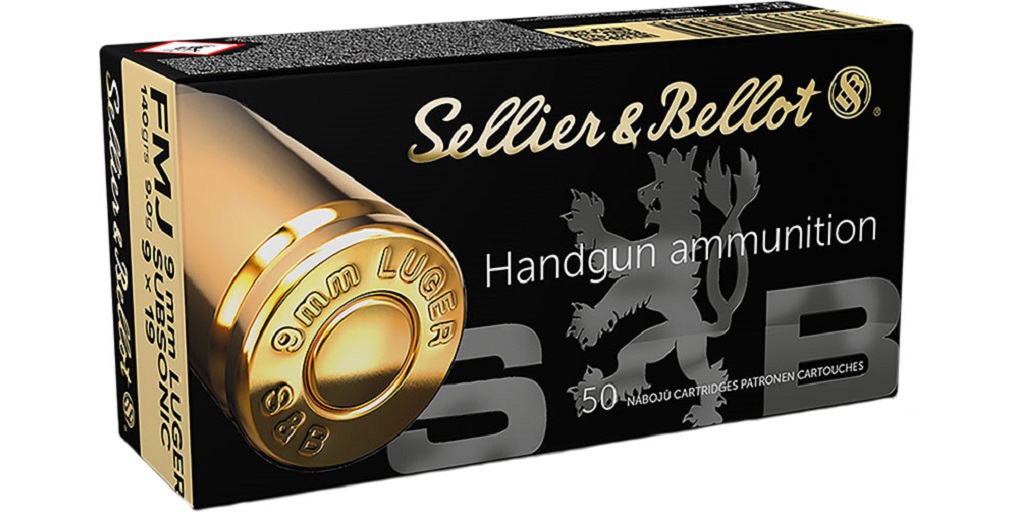
Buying bulk 9mm ammo is one of the best ways to save on your shooting habit, but here’s another secret (or not-such-a-secret) to drive down the cost even more: stop shooting brass.
If you don’t reload, there’s very little reason to pay extra for virgin brass casings, or for brass casings at all. The main reason brass is used as a cartridge casing, notwithstanding its chemical stability, is its flexibility: brass casings can absorb the stresses of repeated firings and can usually be reloaded several times before they must be discarded.
But, if this is only about getting cheap ammo and has nothing to do with reloading, then you should absolutely look into steel cased 9mm ammo to keep prices down.
Why Steel?
There’s really only one selling point of the steel-cased ammo produced by manufacturers like TulAmmo: it’s cheap.
However, some myths have persisted that steel-cased ammo is bad for your gun. There are some who argue that steel, being harder than brass, will scratch the chamber of your gun, making extraction difficult or worse, damaging the chamber finish, allowing corrosion a foothold.
These rumors are, by and large, false. Cartridges cased in steel use annealed steel which is very soft, not much harder than brass if at all.
Annealing is a process by which the steel is heated and then allowed to cool slowly, which makes it very soft. These cartridges won’t hurt your gun and won’t scratch the chamber.
Sure, the steel is still a little stiffer than brass and doesn’t flex out against the inside of the chamber quite the same. What you might notice is that the effect of this is that fouling gets around the cartridge and blasts back into the chamber around the outside of the shell. That can happen.
But all that means is that steel-cased ammo may shoot a little dirtier than brass-cased ammo – and again, if this is just about keeping costs down, why should that matter to you? You have to keep your gun clean anyway. You can shoot steel and save or shoot brass and pay more. The choice is yours.
The Alternative
Still scared of steel, or don’t trust what this report (though substantiated by testing and experience) suggests?
No problem, there’s another solution: aluminum. Some ammo manufacturers, like CCI, load 9mm into aluminum casings, which are much softer than steel, and which definitely won’t hurt your chamber or gun.
If you can’t get around shooting steel, look into a line like CCI Blazer Aluminum 9mm, stock up on that, and save a little that way.
Where to Get Bulk 9mm Ammo
Not sure where to get your 9mm ammo in bulk, and is your favorite shop still struggling to meet demand? Try shopping online. If there are shortages in your area that persist, look into Able Ammo, as a start.
They sell lots of different types of cheap ammo, including bulk 9mm ammo and rounds cased in steel and aluminum. See if they have what you need and make sure you bookmark their page so when you need to restock the ammo cans again you know where to look.
