
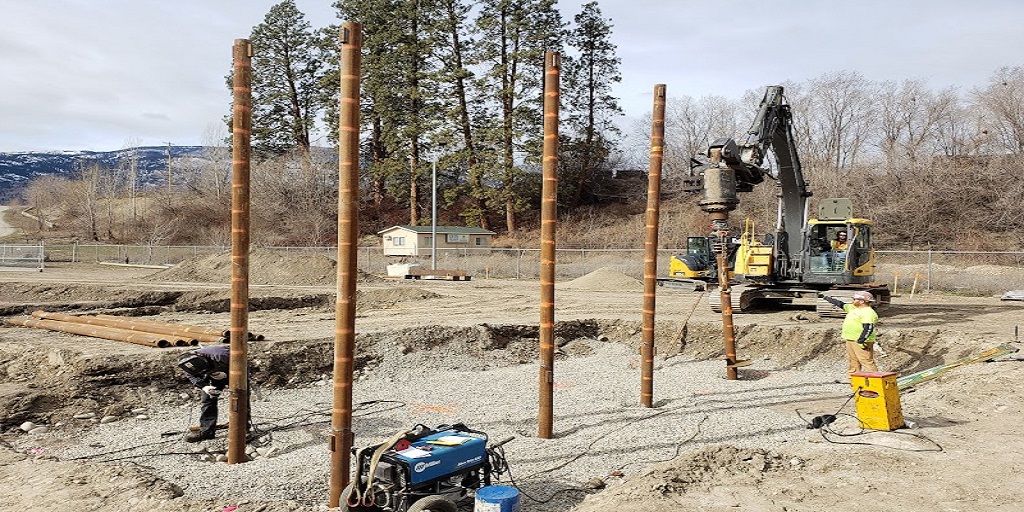
When it comes to foundation solutions in rural areas, homeowners and builders often face unique challenges. From uneven soil to difficult access, the task of installing a solid foundation can become complicated and costly. However, an innovative and cost-effective solution is gaining popularity: the helical pile. Known for its versatility and efficiency, a helical pile offers a strong, reliable foundation solution that is particularly well-suited for rural construction projects. But are they truly the most affordable option? Let’s explore how helical piles stand out in rural areas.
Why are Helical Piles Ideal for Rural Areas?
Rural construction sites often present unique challenges that can drive up costs, such as difficult access, remote locations, and unpredictable soil conditions. Helical piles are well-suited to overcome these hurdles and provide an efficient foundation solution in rural areas. Here’s why:
Easy Access to Remote Locations
Unlike traditional foundation methods, such as concrete slabs or poured footings, which require extensive equipment and preparation, helical piles are installed using compact machinery. This makes them easier to transport to remote sites, even those with limited access roads or rugged terrain. As a result, installation costs are lower because less heavy equipment is required.
Minimal Site Disruption
Whether it’s maintaining the natural environment or working around existing structures, the ability to minimize disruption is crucial. Installing a helical pile requires minimal excavation, reducing the environmental impact and preserving the landscape. There is no need for large-scale digging or the removal of trees, rocks, or vegetation. This means fewer costs for cleanup and restoration after the installation, further enhancing the affordability of using helical piles.
Faster Installation
The installation process for a helical pile is fast compared to traditional foundation methods. Unlike poured foundations, which require curing time and careful preparation, helical piles can be installed within hours or days, depending on the project size. For rural construction projects, this means less downtime, fewer labor costs, and a quicker overall project timeline, which can substantially reduce the overall cost of foundation installation.
Adaptability to Challenging Soil Conditions
Many rural areas feature unstable or varying soil types, including clay, sand, or rocky terrain. Traditional foundations may struggle to find stable ground or require significant modification to the design. However, helical piles are highly adaptable to different soil conditions. Because they are drilled deep into the ground, they can bypass problematic soil layers and anchor into stable, load-bearing strata. This eliminates the need for costly soil remediation or additional foundation work, making helical piles an affordable option for rural builds.
Durability and Longevity
Foundations that are not properly anchored may shift or settle over time due to freeze-thaw cycles or soil erosion. Since helical piles are installed below the frost line, they remain unaffected by surface changes, providing a stable and durable foundation throughout the year.
Cost Comparison: Helical Piles vs. Traditional Foundations
Traditional foundations, such as poured concrete, often require extensive excavation, the use of heavy machinery, and significant labor. Additionally, these foundations can take weeks to install due to curing times and weather conditions. In contrast, helical piles are quicker to install and require less machinery, which can significantly lower labor and equipment costs. The minimal disturbance to the site also reduces additional expenses for cleanup, restoration, and site preparation.
From quick installation and minimal disruption to their adaptability in challenging soil conditions, helical piles are the perfect choice for projects in remote locations. Their long-term durability and lower installation costs make them an affordable option for homeowners and builders in rural areas, ensuring that foundation work is both reliable and budget-friendly.
