
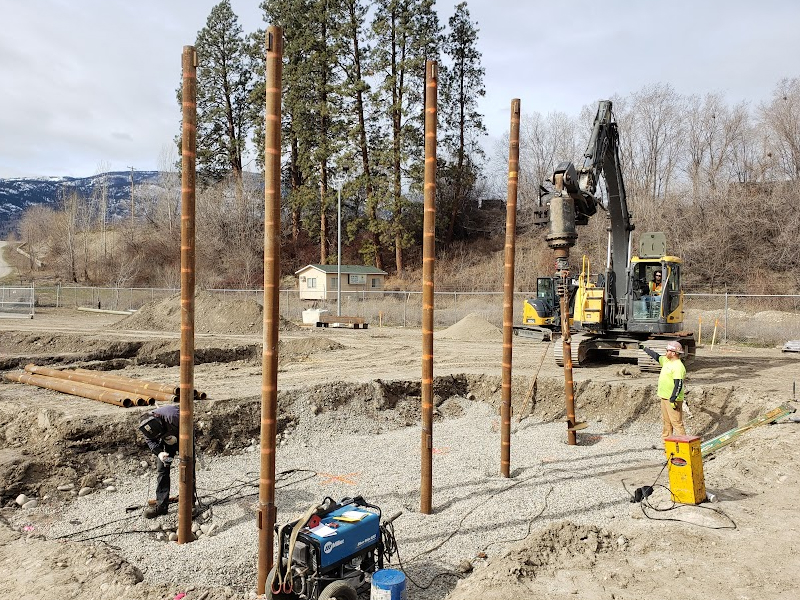
Working on tight construction sites comes with its own set of challenges, especially when installing deep foundation systems. Operating a helical pile driver in areas with limited access or minimal maneuvering space requires careful planning, precision, and safety-focused strategies. Even minor mistakes can lead to delays, increased costs, or compromised structural integrity. To ensure smooth operations, it’s crucial to understand the most common pitfalls and how to avoid them.
1. Overlooking Site-Specific Constraints
One of the biggest mistakes during pile installation is failing to properly evaluate the site’s space limitations before deploying a helical pile driver. Narrow working areas, nearby structures, underground utilities, and overhead obstructions can significantly impact how the equipment is positioned and operated.
How to avoid it:
- Conduct a thorough site assessment before starting the project.
- Plan equipment placement strategically to maximize space efficiency.
- Use compact, specialized helical pile driver models designed for restricted job sites.
Proper preparation not only prevents costly repositioning but also minimizes the risk of damaging existing infrastructure.
2. Neglecting Proper Torque Monitoring
In confined construction environments, precision matters more than ever. A common error operators make is failing to consistently monitor torque levels while driving piles. Without accurate torque readings, it’s impossible to verify that the piles have reached the required load-bearing capacity.
How to avoid it:
- Ensure the helical pile driver is equipped with a calibrated torque monitoring system.
- Train operators on interpreting torque data correctly.
- Document readings for quality control and engineering validation.
Accurate torque monitoring ensures structural stability and reduces the chances of future foundation failures.
3. Using the Wrong Equipment for the Job
Not every helical pile driver is designed for tight construction zones. Choosing oversized or incompatible equipment often leads to delays, increased labor costs, and potential safety hazards.
How to avoid it:
- Select equipment specifically designed for the job’s scale and site conditions.
- Consider hydraulic handheld or mini-excavator-mounted pile drivers when space is limited.
- Work closely with engineers to ensure the right match between equipment capacity and project requirements.
Using the appropriate machine minimizes disruptions and improves efficiency without compromising quality.
4. Skipping Soil Condition Assessments
Some operators make the mistake of assuming that a helical pile driver can handle any soil type without issue. In reality, soil composition plays a significant role in installation efficiency and load performance. Without understanding what’s beneath the surface, you risk driving piles incorrectly, which can compromise the entire foundation.
How to avoid it:
- Conduct geotechnical testing before mobilizing equipment.
- Adjust torque and speed settings on the helical pile driver based on soil density and moisture levels.
- Be prepared to modify pile lengths or configurations if unexpected soil conditions arise.
Proper soil analysis reduces the likelihood of costly rework and ensures structural stability from the start.
5. Ignoring Safety Protocols in Confined Spaces
Operating a helical pile driver in restricted work zones introduces additional safety risks. Crowded environments leave less room for error, making strict adherence to safety procedures essential.
How to avoid it:
- Establish clear communication channels among all workers on-site.
- Maintain safe distances between equipment and other trades.
- Conduct regular safety inspections to ensure compliance with local regulations.
Prioritizing safety not only protects the crew but also helps prevent accidents that can halt the entire project.
For construction teams, taking these extra steps upfront ultimately saves time, minimizes costs, and improves long-term foundation performance. Investing in the right strategies today means fewer issues and smoother operations tomorrow.
For more information about Best Drilling Service and Residential Piling Services Please visit: ATLAS PILING.
